JNHPP commissioning: What it means for economy
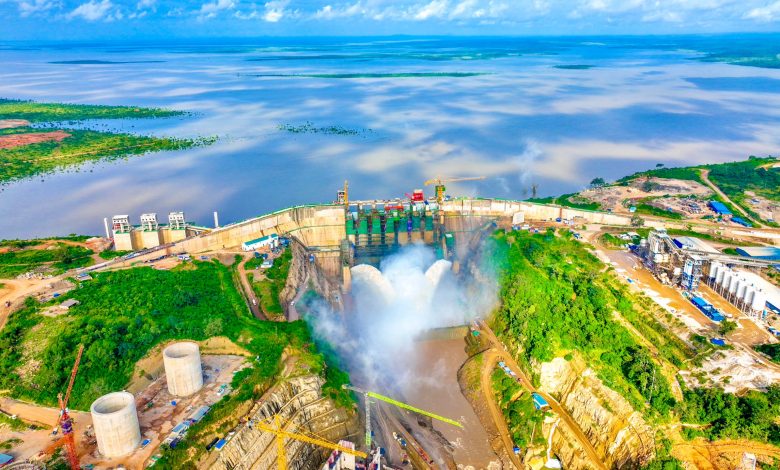
DAR ES SALAAM: TANZANIA is set to mark a major milestone in its energy sector next Saturday when President Samia Suluhu Hassan commissions the 2,115-megawatt Julius Nyerere Hydropower Plant (JNHPP), raising the country’s installed electricity generation capacity to 4,646MW.
The commissioning will mark the completion of the country’s largest electricity generation project undertaken using domestic financing and is expected to strengthen energy security while supporting industrialisation, investment and economic growth.
Energy Minister Deogratius Ndejembi announced the commissioning yesterday in Dar es Salaam, saying the ceremony would be held at the JNHPP site in Rufiji, Coast Region.
“The launch of JNHPP is a historic occasion and a critical step in Tanzania’s journey to build a reliable energy system, while also spurring production, investment and economic growth,” Mr Ndejembi said.
The project cost approximately 7.452tri/- and was financed entirely by the government. Construction started in June 2019 and was completed in March 2025.
At the peak of construction, the project employed about 12,000 workers, with Tanzanians accounting for 99 per cent of the workforce.
Mr Ndejembi said all nine turbines at the plant had been fully operational since 2025 and were already making a substantial contribution to the national grid.
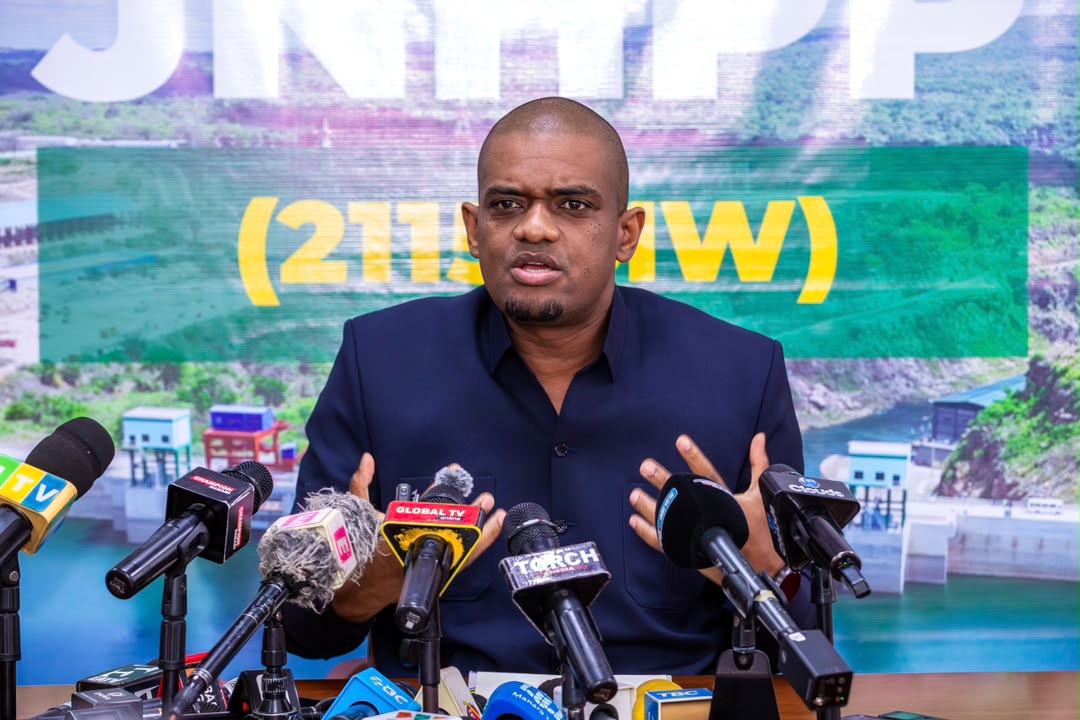
He said JNHPP accounted for approximately 44.9 per cent of electricity generated on the national grid during the 12 months to May 31 this year.
“This is a major step in strengthening the nation’s capacity to meet electricity demand and reinforce energy security, alongside other ongoing government efforts to boost generation, strengthen the National Grid and expand electricity services across the country,” he said.
According to the minister, increased generation from JNHPP has helped ease electricity shortages that previously contributed to power rationing.
The project’s significance, however, extends beyond electricity generation. Mr Ndejembi said the dam’s reservoir has a capacity of 33 billion cubic metres of water, about 10 times the capacity of Mtera Dam.
The reservoir is now the fourth-largest lake in Tanzania by volume, after Lake Victoria, Lake Tanganyika and Lake Nyasa, while the power station ranks among the largest hydropower plants in Africa.
The minister said the water resource could also support irrigation agriculture, tourism and other productive activities downstream, creating opportunities beyond the energy sector.
He linked the project to Tanzania’s long-term development ambitions, saying its completion was closely aligned with the objectives of the Tanzania Development Vision 2050.
The government, he said, was continuing to invest in transmission infrastructure to ensure electricity generated at JNHPP reaches consumers and productive sectors across the country.
ALSO READ: Milestone as JNHPP mega project set for official launch on August 22
Among the ongoing projects are high-voltage transmission lines along the Chalinze-Dodoma corridor and connections to Dar es Salaam, Rukwa, Lindi and Mtwara.
The investments form part of broader efforts to strengthen the national grid and expand electricity access in preparation for the country’s target of universal electricity access by 2030.

Mr Ndejembi said the commissioning would bring together senior government leaders, local and international dignitaries and development partners.
He invited Tanzanians to witness the occasion, describing the commissioning as an important chapter in the country’s energy and national development history.
The government expects the additional generation capacity to provide a stronger foundation for expanding productive activities, attracting investment and supporting Tanzania’s transition towards a more industrialised and competitive economy.