Zanzibar links football investment to jobs, youth development
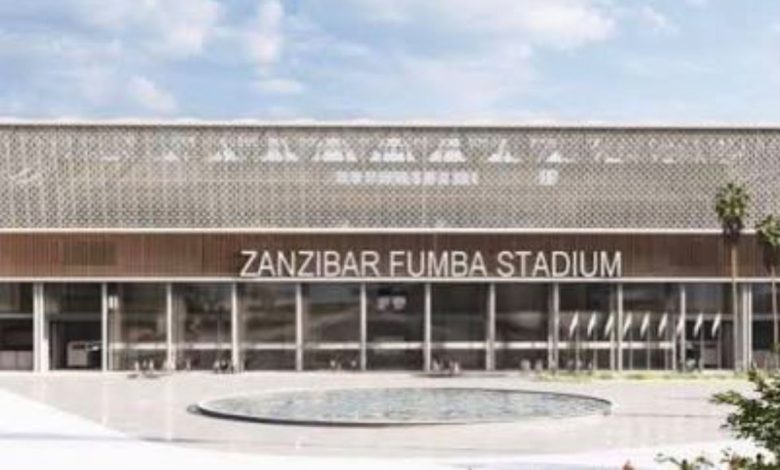
ZANZIBAR: ZANZIBAR is positioning football as more than a sport as preparations for the 2027 Africa Cup of Nations (AFCON) continue, with the government investing in football and other sports to create jobs, nurture young talent, attract investment and unlock wider economic opportunities.
The message from government and football officials is clear: the development of football in Zanzibar must go beyond the pitch.
Better infrastructure, stronger regulations, professional management and greater access to sports facilities are seen as important steps towards building a stronger football industry that can benefit young people and the wider economy.
Zanzibar Second Vice President Hemed Suleiman Abdulla said investment in sports infrastructure, including the New Amaan Complex and Zanzibar Sports City in Fumba, forms part of preparations for AFCON 2027 and could create significant economic opportunities for Zanzibar and Tanzania.
“The facility forms part of preparations for the 2027 Africa Cup of Nations (AFCON) that is expected to unlock wide-ranging economic opportunities for Zanzibar and Tanzania as a whole,” he said.
The investment comes as Zanzibar seeks to strengthen its position in regional and international football.
The participation of Zanzibar clubs in regional and international competitions is giving players greater exposure to higher levels of competition and helping raise the profile of football on the Islands.
But Hemed said progress on the pitch must be supported by improvements in football administration, regulation and professionalism.
He urged the Zanzibar Football Federation (ZFF) to address challenges affecting clubs, referees, coaches and players through stronger legal and regulatory frameworks.
He said this would help create an environment that can attract sponsors and investors while supporting the development of a football industry capable of creating employment.
The potential for employment extends beyond players. A stronger sports sector can create opportunities in coaching, refereeing, sports administration, facility management, sports medicine and event organisation.
For young people, this investment in sports facilities and football development is important not only for competition, but also for skills development and future employment.
Hemed has also called for greater discipline and professionalism within the game.
He urged the Zanzibar Premier League Board and ZFF to work with clubs to prevent vandalism of sports facilities and ensure that players, officials and supporters follow established standards.
The emphasis on young people also extends beyond organised football.
During activities linked to the Kizimkazi Festival in South Unguja, Hemed urged young people to avoid harmful groups, illicit drugs and activities that could threaten peace and security.
He encouraged them to recognise sport as a source of opportunity, including employment.
The government’s investment in sports infrastructure is therefore being accompanied by calls to make the facilities accessible to the people who are expected to use them.
Paje Member of Parliament Jaffar Ismail Sanya asked the government to review entrance fees charged at district sports stadiums.
He said lower fees would give more young people and sports groups opportunities to use the facilities for training and talent development.
Sanya said the construction of district and regional sports stadiums was aimed at strengthening sports and nurturing young talent.
His appeal highlights an important part of sports development: facilities must not only be built, but also remain accessible to young people and communities.
A recent visit by Hemed to the Kinyasani sports project in Pemba offered a practical example of this approach at community level.
The Kinyasani project includes a football pitch, running track, netball court and basketball court, providing a range of facilities where young people can train and develop their sporting abilities.
During the visit, Hemed said the contractor was expected to hand over the facility at the end of the month.
He said the government would then establish arrangements for its official use, allowing residents to benefit from the facility while also enabling the government to conduct organised activities there.
Hemed said the main purpose of projects such as Kinyasani was to provide young people with a proper environment in which to develop their talents.
He contrasted the new facility with the dusty grounds that young people have traditionally used, saying they would now have a clean and well-developed place where they could train and compete.
He described the project as part of a wider effort to bring quality sports facilities closer to communities. He also pointed to the development of sports facilities at district level as an important step in expanding access to sport.
But Hemed stressed that construction is only the beginning. He called on residents to protect and maintain the facility once it is handed over to the community.
“This project needs to be taken care of. It will be handed over one day, but this project belongs to you, the people of Kinyasani,” he told residents.
His call for community ownership reflects the importance of protecting public sports infrastructure so that it can serve young people for years to come.
Well-maintained facilities can provide regular opportunities for training and competition while creating an environment where talent can be identified and developed.
Hemed also linked the project to the wider development of Zanzibar, saying the government would continue to prioritise the welfare of its people.
He urged residents to value the facility and work together to protect it. Beyond sport, he used the occasion to call on residents to maintain peace and unity.
He urged the people of Kinyasani to live in harmony, cooperate and recognise that Zanzibar belongs to everyone. The message adds another dimension to sports investment.
Community sports facilities can provide places where young people meet, compete and develop their talents while also encouraging discipline, cooperation and peaceful participation.
At the national level, efforts are also under way to strengthen football management. ZFF Vice-President Yahya Abdalla Shamuni said the federation was implementing reforms aimed at bringing football management closer to international standards.
He also called for better use of sports facilities across Zanzibar and said the government would support efforts to attract more sponsors for domestic competitions.
ZFF Secretary General Hussein Ahmada Vuai said investment in stadia and other sports infrastructure was opening new opportunities for Zanzibar.
The Minister for Information, Youth, Culture and Sports, Riziki Pembe Juma, also highlighted the role of sports in creating employment, particularly for young people.
She reaffirmed government support for ZFF and encouraged athletes and the public to prepare to benefit from opportunities associated with AFCON 2027.
Representing the Tanzania Football Federation (TFF), Tanzania Premier League Board Chief Executive Officer Cornel Barnabas stressed the importance of cooperation among football stakeholders.
He urged football leaders, clubs, players and other stakeholders to follow the rules governing the game, saying cooperation between TFF and ZFF remained important to strengthening football in Tanzania.
These developments point to a wider opportunity for Zanzibar. AFCON 2027 can provide an international platform, but the lasting benefit will depend on what is built around the tournament and how those investments are used after the competition.
For Zanzibar, the objective is therefore not simply to prepare stadiums for a major tournament. It is to develop a sports system that provides young people with access to facilities, creates opportunities for talent development and supports a more professional football environment.
ALSO READ: Zanzibar steps up football reforms ahead of AFCON
The challenge will be to ensure that the facilities being developed remain accessible, properly managed and well maintained.
Projects such as Kinyasani demonstrate how sports investment can reach local communities, while initiatives such as the Zanzibar Sports City point to the larger ambitions linked to AFCON 2027.
If infrastructure is matched by stronger governance, accessible facilities, professional clubs, youth development and greater involvement from sponsors and investors, football can play a bigger role in Zanzibar’s employment and economic development.
The Kizimkazi Festival also demonstrated how sport can bring people together.
The football final between supporters’ teams representing Yanga and Simba, won 2-0 by Yanga, brought people together through sport while reinforcing messages of discipline, unity and peaceful participation.
As Tanzania moves towards AFCON 2027, the real test will be whether the momentum around the tournament can be converted into lasting opportunities for young people, stronger football institutions and a more sustainable sports sector.