COSTECH funds pasture project to tame climate impact
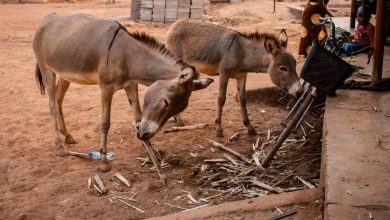
DODOMA: THE National Commission for Science and Technology (COSTECH) has provided 400m/- to support a project aimed at helping livestock keepers cope with climate change by improving pasture availability during dry seasons.
The project, implemented by researchers from Sokoine University of Agriculture (SUA), is being carried out in Kongwa District (Dodoma), Kishapu (Shinyanga) and Meatu (Simiyu).
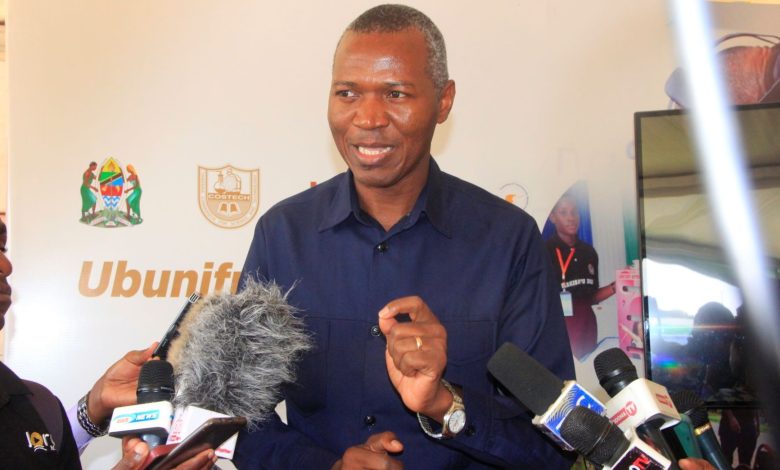
COSTECH Director General, Dr Amos Nungu, said the initiative is part of 36 projects funded by the government with a total of 19bn/- to generate solutions to the effects of climate change.
He made the remarks recently after visiting a pasture demonstration farm in Mtanana Ward, Kongwa District, where early results show improved access to livestock feed.
Dr Nungu said the project aligns with the Development Vision 2050, which targets increased production and export of quality livestock and meat.
“Our focus is to ensure farmers and livestock keepers have reliable pasture throughout the year,” he said, noting that research results are now reaching grassroots beneficiaries.
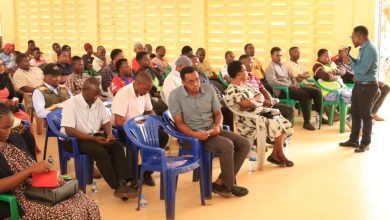
He added that more than 1,300 farmers and livestock keepers in Mtanana Ward are benefiting from the initiative through a model farmer approach.
“We commend the government for this 19bn/- investment, which demonstrates strong commitment to achieving Vision 2050,” he said.
ALSO READ: COSTECH highlights the protection of youth innovation rights
Project Leader, Prof Sebastian Chenyambuga of SUA, said the project is strengthening the capacity of livestock keepers to produce drought-resistant pasture, while reducing conflicts between farmers and pastoralists.
The three-year project, which started in October 2025, also promotes sustainable livestock practices in the face of changing climate conditions.
A beneficiary, Mr Clement Alphonce from Mtanana Village, said training from SUA experts enabled him to adopt improved pasture farming.
He said he planted two acres of pasture and sold 54 of his 56 local cattle to invest in 14 improved dairy cows, which now produce between five and 22 litres of milk per day, compared to less than a litre previously.
The project is expected to enhance livestock productivity, strengthen resilience to climate change and improve livelihoods among pastoral communities.