JK calls on African leaders to invest in its people, roads, railways,and energy projects
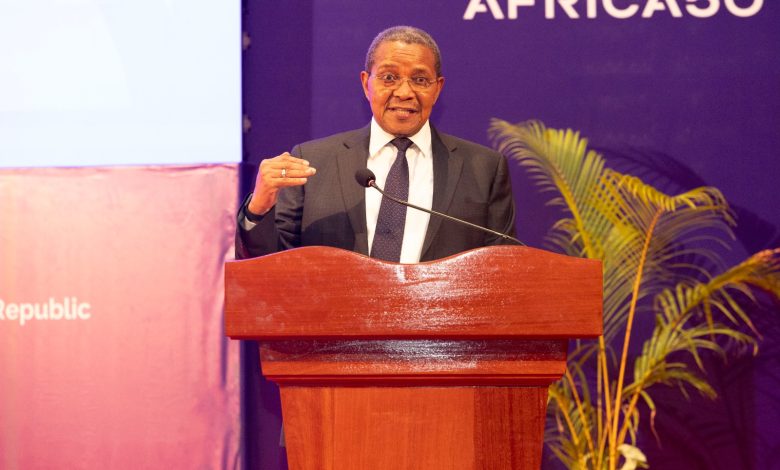
DAR ES SALAAM: AFRICAN leaders have been urged to invest in its people alongside roads, railways and energy projects if infrastructure development is to translate into lasting economic growth.
Former Tanzanian President, Dr Jakaya Kikwete, made the call during the two-day Africa50 Annual General Shareholders Meeting and Africa Infrastructure Forum in Dar es Salaam, which brought together political leaders, financiers and development experts to deliberate on ways of financing Africa’s development.
Speaking at the conference, Dr Kikwete said Africa’s growing youth population could become the continent’s greatest economic asset if governments invested in quality education, skills development and employment opportunities.
According to Dr Kikwete, infrastructure should not be treated as an end in itself, but as an
enabler of productivity, business growth and improved livelihoods.
“Roads, railways and energy projects must ultimately improve people’s lives,” Dr Kikwete said.
He stressed that investment in infrastructure must therefore go hand in hand with human capital development to ensure communities benefit from economic opportunities created by such projects.
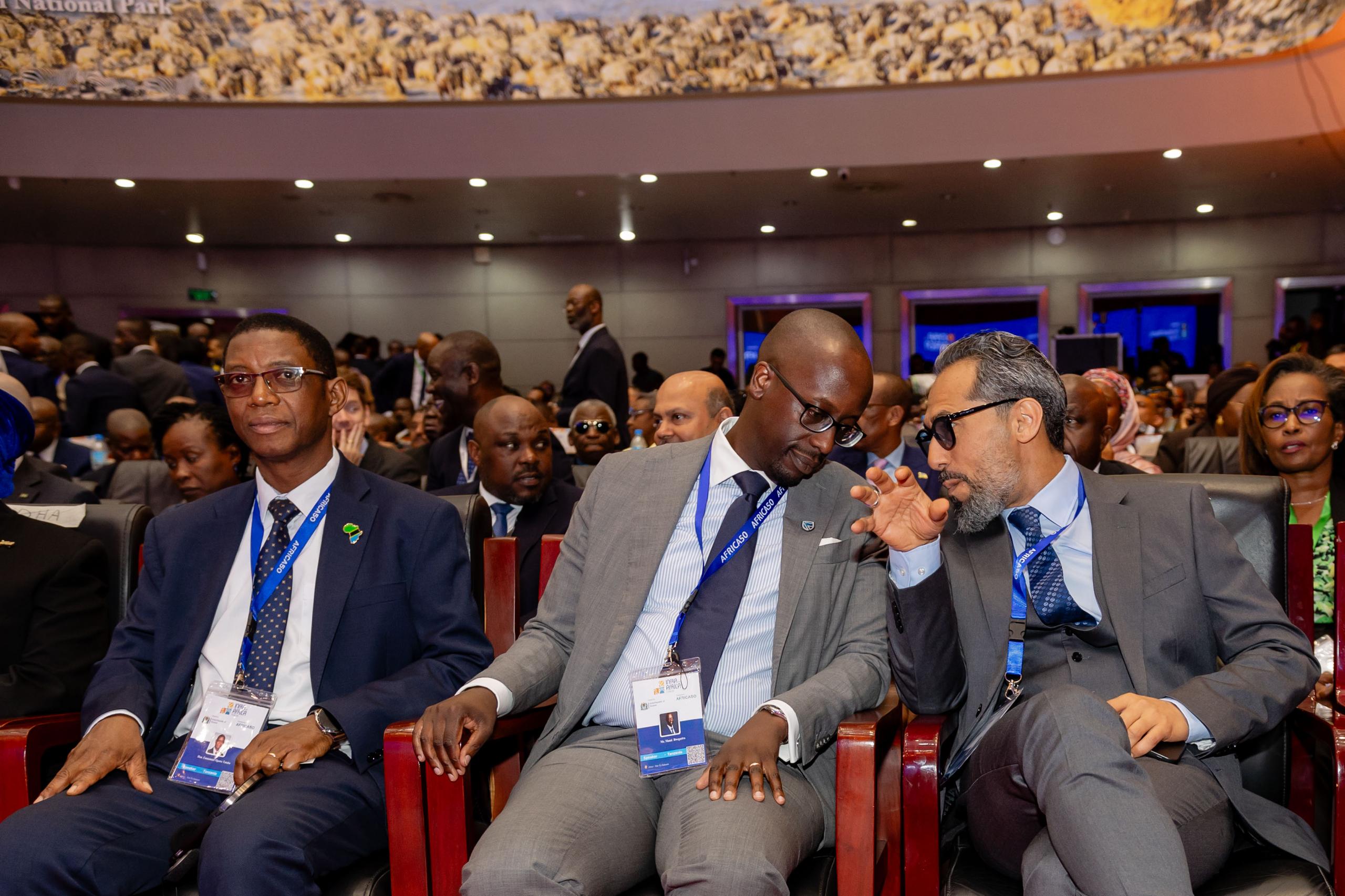
The forum also highlighted the need for African countries to mobilise more domestic resources and strengthen regional cooperation to bridge the continent’s infrastructure financing gap.
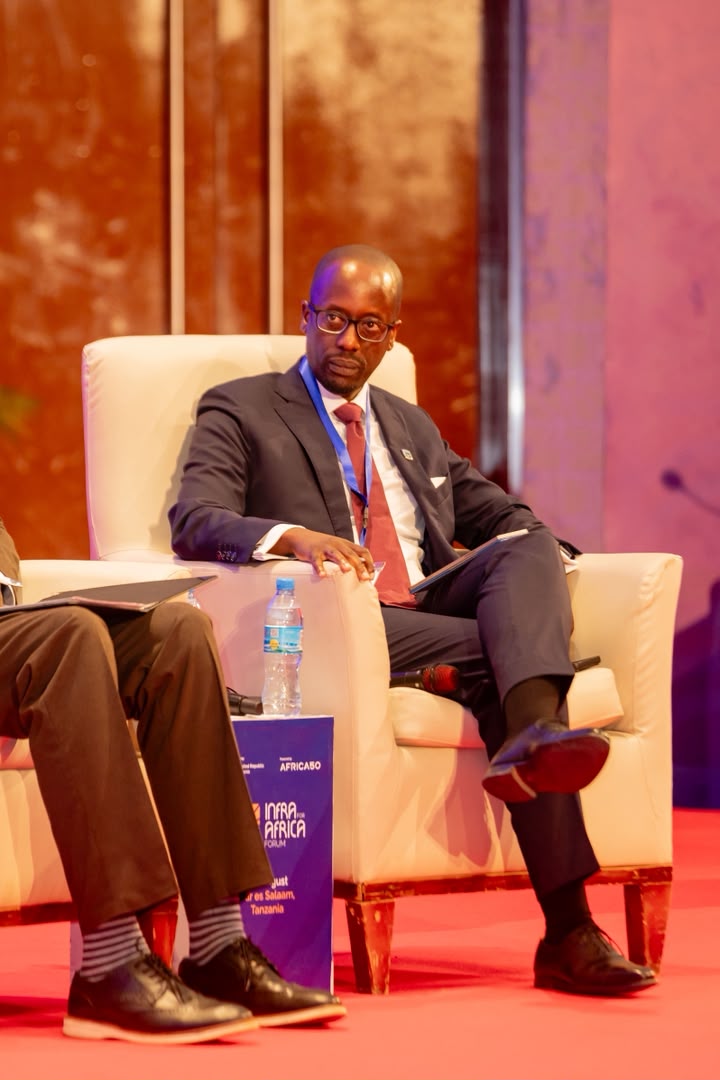
Speaking during a plenary session on African-designed and African-led development, Stanbic Bank Tanzania Chief Executive Officer Manzi Rwegasira said Africa needed to scale up existing financial institutions and deepen domestic capital markets to meet its growing infrastructure needs.
ALSO READ: CCM leaders vow discipline, clean politics
“All the good answers will be given, but I think it boils down to scale. We need to think about how we can scale up what we already have on this continent,” Mr Rwegasira said.
He said African institutions such as the African Development Bank and Africa50 could not finance the continent’s infrastructure ambitions alone, calling for greater mobilisation of domestic capital.
“We need to make better use of our national domestic bond markets. They’re still too shallow and too small. We need to make them bigger,” he said.
Mr Rwegasira also called for stronger regional cooperation to enable countries to pool resources and attract larger volumes of capital for major infrastructure projects.
“Maybe regional cooperation is where we can start. We need to work together in collaboration to bring the capital that we have to bear,” he said.
He further identified securitisation and infrastructure asset recycling as potential mechanisms for unlocking additional financing from assets that have already been developed.
“Securitisation allows you to recycle the same capital that we have. If we can recycle infrastructure assets, we can use what has already been built to finance new infrastructure,” he said.
The discussions were part of wider efforts to advance an African-led financing model under the proposed New African Financial Architecture for Development (NAFAD), which seeks to bring together African banks, sovereign investors, insurers, development finance institutions and governments.
Stanbic Bank Tanzania Head of Corporate and Investment Banking Ester Manase said infrastructure financing required coordinated efforts among governments, commercial banks, development finance institutions, insurers and private investors.
She said long-term infrastructure projects required patient capital that commercial banks could not provide on their own.
“Commercial banks can only support infrastructure financing to a certain extent. Because these are long-term investments, we need development finance institutions, insurance companies and both the public and private sectors to work together,” Ms Manase said.
She also highlighted Tanzania’s strategic geographical position, saying investments in ports, the Standard Gauge Railway and roads could strengthen the country’s role as a regional logistics and trade hub.
“Tanzania is in a very strategic location. We have eight neighbouring countries, six of which are landlocked. That gives us a unique opportunity to become the region’s hub,” she said.
The forum called for stronger domestic financial markets, regional partnerships and innovative financing mechanisms to support Africa’s infrastructure ambitions while ensuring that such investments deliver tangible economic and social benefits.