Tanzania targets more value from natural gas
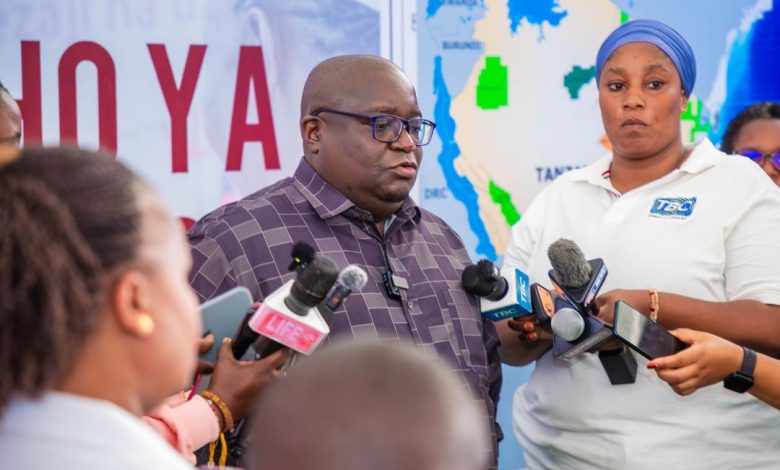
DODOMA: TANZANIA is moving to transform its natural gas resources into higher-value products, including fertiliser and petrochemicals, while preparing major investments such as the multibillion-dollar Liquefied Natural Gas (LNG) project to expand the country’s presence in international markets.
The move is aimed at increasing the contribution of natural gas to the economy, creating investment opportunities, supporting industrialisation and ensuring more Tanzanians benefit from the country’s petroleum resources.
Petroleum Upstream Regulatory Authority (PURA) Director General, Mr Charles Sangweni, said yesterday the authority was working with stakeholders to identify more ways of adding value to natural gas instead of relying mainly on its existing uses.
“Among the projects coming up is fertiliser production using natural gas produced locally. We believe this will make fertiliser more affordable and improve its availability to farmers,” Mr Sangweni said.
Speaking to journalists at the ongoing Nanenane Agricultural Exhibition in Dodoma, he said Tanzania was already using natural gas extensively in electricity generation, industries and transport through Compressed Natural Gas (CNG).
He said natural gas currently contributes about 63 per cent of the country’s electricity generation, while more than 55 industries in Dar es Salaam, Coast, Lindi and Mtwara regions use the resource in processing, boilers and dryers.
ALSO READ:PURA bolsters local content compliance drive
“Gas is also used to power vehicles. At the Tanzania Petroleum Development Corporation (TPDC), you can see vehicles that use compressed natural gas, or CNG,” he said.
Mr Sangweni said Tanzania was also preparing for major projects that would expand markets for its natural gas, particularly the LNG project planned for Lindi, which will process natural gas for export to international markets.
He said the project would provide an opportunity for Tanzania to enter new international markets while creating additional investment and economic opportunities along the natural gas value chain.
“We are continuing to look at how we can add value to our gas so that it can generate greater value and continue contributing to national revenue,” he said.
Mr Sangweni said Tanzania’s petroleum industry required substantial capital, making partnerships between the government, private investors and the Tanzania Petroleum Development Corporation (TPDC) important in developing the sector.
He said the country uses the Production Sharing Agreement (PSA) model, under which investors enter agreements with the government to undertake exploration and production activities.
Under the arrangements, he said, investors recover eligible costs before revenues are shared in accordance with the agreed terms.
Mr Sangweni said PURA closely monitors exploration and production costs to safeguard government interests and ensure that investors do not inflate expenses that could ultimately reduce the value accruing to the country.
“For example, when an investor brings a drilling machine, we have to establish how much it costs and compare it with similar equipment available globally. If we find that it is excessively expensive, we can advise that a more cost-effective option be used,” he said.
He said PURA was also ensuring that Tanzanians benefited from petroleum investments through employment, supply of goods and provision of services.
“Where Tanzanians have the capacity, employment opportunities should go to Tanzanians. Where goods are available locally, they should be purchased locally, and services that can be provided by Tanzanian companies should be supplied by them,” he said.
Mr Sangweni said the government was addressing skills gaps that had limited the participation of some Tanzanians and local companies in the petroleum industry.
He said universities and vocational training institutions were increasingly providing oil and gas-related training to prepare Tanzanians for opportunities emerging from the expanding sector.
He added that PURA was also ensuring that unskilled employment opportunities in areas hosting petroleum activities benefited surrounding communities.
He cited Mnazi Bay in Mtwara, where workers whose jobs did not require advanced qualifications were being recruited from neighbouring villages and the region.
Mr Sangweni said increasing local participation, value addition and investment in natural gas would help Tanzania maximise the benefits of its petroleum resources and advance the objectives of the country’s Development Vision 2050.