Vision 2050 drives agro-industrial push
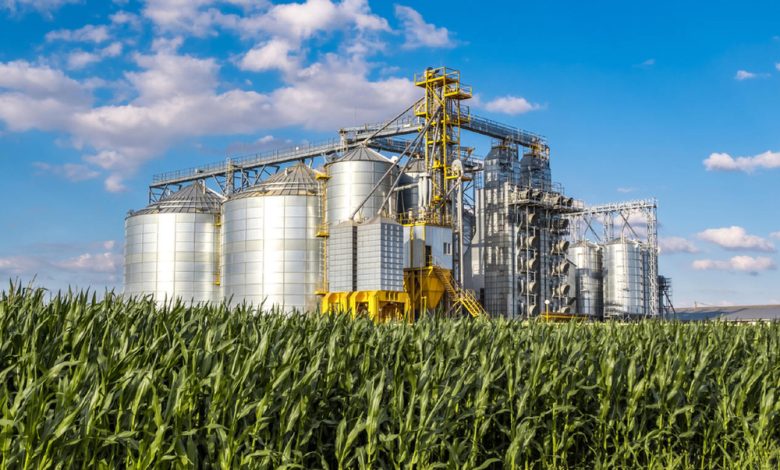
BUKOBA: TANZANIA has stepped up efforts to position agriculture as a key driver of its Vision 2050 agenda, with authorities calling for greater value addition and wider adoption of scientific farming practices to boost productivity, incomes and exports.
Speaking during the opening of the Nane Nane 2026 exhibitions at Kayailabwa Grounds in Bukoba on Monday, Bukoba District Commissioner Mr Erasto Sima said the country’s long-term development ambitions will depend on transforming agriculture from primary production into an industrialised value chain.
Vision 2050 seeks to transform Tanzania into an industrialised, knowledgebased upper-middle-income economy with a one-trilliondollar economy, a target that will require stronger industries, expanded exports, quality job creation and greater value addition to natural resources.
Mr Sima said the government’s industrialisation strategy is closely linked to agriculture, with increasing emphasis on processing farm produce locally before export.
“While increasing agricultural output remains important, greater emphasis is now being placed on processing agricultural products locally before they reach export markets,” he said.
He urged farmers to remain market-oriented by producing quality crops that meet both domestic and international standards.
Kagera is already recording encouraging results in commercial agriculture. Missenyi District Cooperative Development Officer, Gaspar Emmanuel said sugarcane out-growers earned about 18bn/- after supplying 241,000 tonnes during the 2025/26 season, which ended on April 30.
The region now plans to increase production to 300,000 tonnes in the 2026/27 season. The crop is supplied to Kagera Sugar Company, where farmers currently receive about 77,000/- per tonne.
Nationally, sugar remains among the priority industrial crops. Tanzania has seven sugar factories with a combined annual production capacity of about 800,000 tonnes.
By April this year, domestic production had reached 410,979 tonnes against an estimated annual demand of about 550,000 tonnes.
To narrow the deficit, Kilombero Sugar Company is expanding its annual production capacity from 123,000 tonnes to 226,000 tonnes, while Mkulazi Holding Company has commenced industrial sugar production.
ALSO READ: Will Tanzania transform SADC’s industrialisation efforts into a production revolution?
“The expansion of these factories will contribute significantly to reducing imports and strengthening domestic industrial production,” Mr Sima said.