Affordable financing key to unlocking electric vehicle future
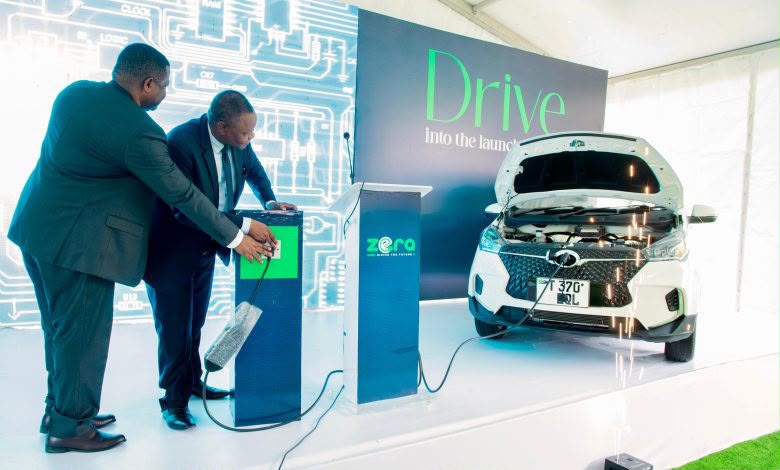
TANZANIA: THE ambition to accelerate Electric Vehicle (EV) is gaining momentum, with industry stakeholders arguing that the success of the transition to cleaner transport will ultimately hinge on affordability rather than consumer interest.
While the country has taken important steps to support electric mobility through favourable tax policies and new regulations governing charging infrastructure, industry players say the biggest hurdle remains the high upfront cost of electric vehicles, which puts them beyond the reach of most Tanzanians.
The challenge reflects the realities of Tanzania’s automotive market, where the majority of motorists purchase imported second-hand petrol-powered vehicles that are more than a decade old.
In contrast, most electric vehicles entering the local market are brand-new models equipped with the latest technology, making them significantly more expensive despite their lower operating costs.
“There is still a major financing gap,” said Gibson Kawago, an electric vehicle and charging infrastructure expert at Waga Motion.
“More financing options, including subsidies, are needed to help buyers afford electric vehicles. This would enable more people to purchase EVs, which are more cost-effective to operate and environmentally sustainable.”
Mr Kawago said affordability, rather than consumer interest, has become the defining challenge for Tanzania’s electric mobility transition.
He notes that enquiries about electric vehicles have increased steadily, suggesting that many Tanzanians are keen to embrace the technology if prices become more accessible.
“Many people are now asking questions about electric vehicles, which shows there is growing interest in owning them,” he said.
He explains that most Tanzanians currently purchase petrol-powered vehicles manufactured between 2002 and 2009 because they are considerably cheaper.
Electric vehicles, however, are largely 2024 and 2025 models, placing them in a price category that many households cannot afford.
Despite the higher purchase price, Mr Kawago argues that electric vehicles deliver substantial savings throughout their lifetime.
“The biggest advantage lies in operating costs. An electric vehicle can travel from Dar es Salaam to Dodoma on electricity costing about 30,000/-, something that is impossible to achieve with a petrol-powered vehicle for the same amount,” he said.
Current operating costs illustrate the difference. Charging an electric vehicle for the approximately 450-kilometre journey between Dar es Salaam and Dodoma costs about 30,000/- compared with roughly 120,000/- in petrol for a conventional vehicle consuming around 30 litres of fuel.
Studies in the United States similarly show that travelling approximately 483 kilometres costs about 35 US dollars using petrol compared with roughly 7.50 US dollars for a small electric vehicle covering the same distance.
Lower maintenance costs provide another financial advantage.
Unlike petrol-powered vehicles, electric vehicles do not require engine oil changes and have fewer moving parts, reducing routine servicing and repair expenses.
However, Mr Kawago believes affordability cannot improve through market forces alone.
From a policy perspective, he says encouraging local vehicle assembly would significantly lower prices by reducing import-related costs.
He also welcomes the government’s decision to reduce import duty on selected electric vehicles from 25 per cent to 10 per cent but believes additional incentives and financing mechanisms are needed to stimulate demand.
The affordability challenge is echoed by Build Your Dreams (BYD) Tanzania Sales and Marketing Assistant Manager Khateeb Hussein, who says consumer demand remains modest despite rising awareness of the economic advantages of electric vehicles.
Mr Hussein says electricity offers significantly lower operating costs than petrol or diesel, particularly as fuel prices continue to rise. Yet most buyers remain hesitant because of limited knowledge about electric vehicles and the high purchase price of new imports.
“The most important issue is public awareness. Many Tanzanians still lack adequate knowledge about electric vehicles, and many remain uncertain about their reliability,” he said.
He notes that many of the country’s current electric vehicle owners are people who have travelled or lived abroad and gained first-hand experience using EVs before returning home.
Besides increasing public awareness, Mr Hussein says the government should ensure announced tax incentives are fully implemented to improve affordability.
“Apart from limited public awareness, high prices remain a challenge because most EVs entering the Tanzanian market are brand-new, zero-kilometre vehicles, which attract relatively high taxes and duties,” he said.
Industry stakeholders believe that broader access to financing could transform the market by allowing consumers to spread purchase costs over several years, making electric vehicles more competitive with conventional cars.
Mr Kawago also argues that developing a domestic vehicle assembly industry would help narrow the price gap while creating employment and strengthening Tanzania’s industrial base.
For existing electric vehicle owners, however, the long-term financial benefits are already evident.
The Director of SKYPM Solutions Ltd and an electric vehicle owner Mr Paul Madatta said he now spends roughly half what he previously paid on fuel.
“Fully charging my 60-kilowatt-hour electric vehicle costs between 15,000/- and 30,000/-” he said.
He adds that one full charge comfortably covers his daily urban travel needs while the vehicle’s lower maintenance requirements further reduce ownership costs.
ALSO READ: Local electric vehicle revolution begins with landmark manufacturing investment, innovation
Although charging infrastructure outside Dar es Salaam remains limited, Mr Madatta believes affordability is still the biggest obstacle preventing wider adoption.
“In many overseas markets, electric vehicles are relatively affordable, but once they are imported into Tanzania, taxes and other charges substantially increase their prices,” he said.
“What is needed are supportive policies and regulations, especially on taxation. Reducing these costs would make electric vehicles more affordable and encourage wider adoption.”
As Tanzania strengthens its electric mobility ecosystem through regulatory reforms, expanding charging infrastructure and growing private sector investment, industry leaders agree that the next phase of the transition will depend on making electric vehicles financially accessible.
Without affordable financing, stronger tax incentives and greater local value addition through vehicle assembly, electric mobility could remain an attractive technology that many Tanzanians admire but few can afford to own.