Can Africa reconcile a new Family Charter with the Maputo Protocol?
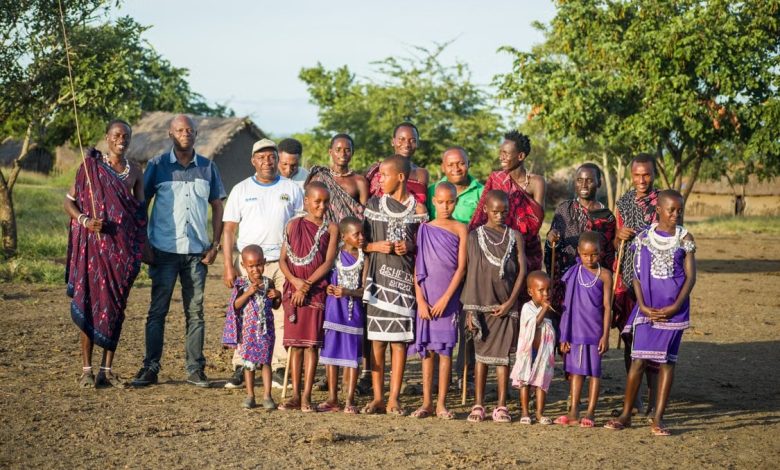
AFRICA: THE women had gathered under the shade of an old mango tree, their voices blending with the laughter of children playing nearby.
While waiting for a community health outreach session to begin, the conversation drifted from household chores to something far more consequential.
One woman spoke proudly of how family planning had enabled her to space her children and continue farming.
Another worried about reports circulating on social media that Africa was considering a new charter that could change how countries approach reproductive health, sexuality education and family values.
“What does it really mean?” one of them asked. It is a question increasingly being asked not only in village meetings but also in parliamentary corridors, legal circles, hospitals and universities across the continent.
The emerging debate centres on the Draft African Charter on Family, Sovereignty and Values, a proposal that has sparked intense discussion over Africa’s future social and legal direction.
While supporters see it as a necessary affirmation of African cultural identity and family values, critics warn that some of its provisions could weaken longstanding commitments to women’s rights, adolescent health and reproductive healthcare.
The debate has become even more significant because Africa already has a legally recognised framework protecting the rights of women: the Protocol to the African Charter on Human and Peoples’ Rights on the Rights of Women in Africa, adopted in 2003.
Ratified by many African countries, including Tanzania, the Protocol is widely regarded as one of the continent’s most progressive human rights instruments, providing comprehensive protections for women while recognising Africa’s social and cultural realities.
As discussions around the proposed Charter gather momentum, the central question is no longer whether Africa should protect its values or uphold human rights.
Rather, it is whether both objectives can coexist without undermining decades of progress. Developed through the Inter-Parliamentary Conference on Family Values and Sovereignty, the Draft African Charter on Family, Sovereignty and Values seeks to promote the family as the foundation of society, safeguard African cultural identity, reinforce parental responsibility and affirm the sovereignty of African states in determining their own social and moral policies.
Many of these aspirations resonate strongly with African societies.
Across Tanzania, the family remains the cornerstone of community life. Respect for elders, religious faith, parental authority and communal solidarity continue to shape social norms.
Advocates of the proposed Charter argue that these values deserve stronger recognition amid increasing global debates on sexuality, gender identity and social change.
Supporters further contend that African countries should retain the sovereign right to determine policies that reflect their own traditions rather than adopting external frameworks that may not align with local cultures.
These arguments have found sympathy among religious organisations, cultural leaders and some policymakers who believe Africa should define its own development path.
However, it is other provisions within the proposed Charter that have generated concern among public health professionals and legal experts.
Among the most debated aspects are its position on Comprehensive Sexuality Education and provisions that could restrict adolescents’ and young people’s access to sexual and reproductive health information and services. It is here that comparisons with the Maputo Protocol become particularly important.
Unlike the proposed Charter, the Maputo Protocol was adopted as a legally binding instrument to strengthen women’s rights across Africa.
It recognises women’s rights to dignity, equality, education, healthcare and participation in development. It also encourages member states to improve maternal healthcare, expand access to reproductive health services and eliminate practices that threaten women’s health and wellbeing.
Importantly, the Protocol does not reject African culture. Rather, it calls for preserving positive cultural values while discouraging harmful practices that undermine women’s rights and health.
This distinction lies at the heart of the current debate. Supporters of the Draft Charter argue that protecting family values strengthens African societies. Supporters of the Maputo Protocol argue that protecting women’s rights strengthens families.
Many experts believe these objectives need not be mutually exclusive. For Tanzania, reproductive health is not merely an ideological discussion. It is a matter measured in maternal survival, healthy children and stronger communities.
Over the past two decades, Tanzania has invested heavily in voluntary family planning, maternal healthcare, prevention of HIV transmission, skilled birth attendance and reproductive health education.
These investments have contributed to declining maternal deaths, healthier pregnancies and improved wellbeing for thousands of families. Family planning trainer, Ms Mgeni Kisesa believes every new regional policy should first be evaluated through the lens of public health.
“As a health professional, my priority is the wellbeing of women and families. Tanzania has made significant progress in reducing preventable maternal deaths through improved reproductive health services and voluntary family planning. We should carefully assess whether any new regional framework strengthens these gains or creates barriers that could affect women’s access to lifesaving care,” she says.
She emphasises that policy decisions should be guided by scientific evidence rather than political emotion.
Her concerns reflect a broader question being asked across Africa….would restrictions on reproductive health information unintentionally reverse gains already achieved? Legal experts are also examining how the proposed Charter fits within Africa’s existing legal architecture.
ALSO READ: Five of one family drown in Nyumba ya Mungu boat tragedy
Advocate Peter Majanjala notes that African countries have already committed themselves to several regional human rights instruments, including the Maputo Protocol.
“African countries have adopted important legal frameworks that protect human dignity, equality, women’s rights and children’s rights. Any new Charter should complement, not contradict, those commitments,” he explains.
For Tanzania, this assessment carries constitutional significance.
The country has ratified various international and regional agreements that influence domestic legislation and public policy.
Legal scholars therefore argue that Parliament should carefully evaluate whether any future commitments remain consistent with the Constitution, existing laws and previously ratified treaties.
Adv. Majanjala rejects the notion that protecting family values and protecting human rights are competing objectives.
Instead, he believes the challenge lies in ensuring that both reinforce each other. Perhaps no issue has generated more discussion than adolescents’ access to sexual and reproductive health information.
For many parents, conversations about sexuality remain deeply sensitive. Yet health professionals argue that adolescence is precisely the period when young people require accurate, age-appropriate guidance. Psychologist Dr Faith Kiondo believes families remain the first and most important educators.
However, she says parents should not shoulder that responsibility alone.
“Adolescence is a period of rapid physical, emotional and psychological development. Families play an irreplaceable role in guiding young people, but parents, teachers and health professionals all have responsibilities,” she explains.
According to Dr Kiondo, providing scientifically accurate information does not encourage irresponsible behaviour.
Instead, it equips adolescents to make informed decisions, avoid risky situations and seek professional help when necessary.
She argues that strengthening African families should also mean strengthening communication between parents and their children.
That perspective mirrors recommendations from many public health experts who advocate collaboration between families, schools and healthcare providers rather than viewing them as competing influences.
The debate surrounding the Draft African Charter on Family, Sovereignty and Values is often framed as a contest between African traditions and universal human rights.
In reality, the comparison with the Maputo Protocol suggests a more nuanced picture. Both instruments recognise the importance of African societies and communities. Both seek stronger families. Both acknowledge the central role of parents.
Where they diverge is largely in their treatment of reproductive health, sexuality education and the extent to which states should guarantee access to related information and services.
For Tanzania, the challenge is unlikely to be choosing one framework over the other. Rather, it will be determining how to preserve cherished cultural values while protecting constitutional rights, improving maternal health, reducing preventable deaths and ensuring young people are equipped for healthy and productive lives.
As African governments continue debating the proposed Charter, the discussion offers Tanzania an opportunity to reflect on its own development priorities.
Strong families remain essential. So too are healthy mothers, informed adolescents, protected children and equal opportunities for women.
Ultimately, the question confronting policymakers is not simply what values Africa should defend. It is how those values can be translated into laws and policies that safeguard both cultural identity and human dignity for generations to come.