

Cassava peels turn into cement alternative
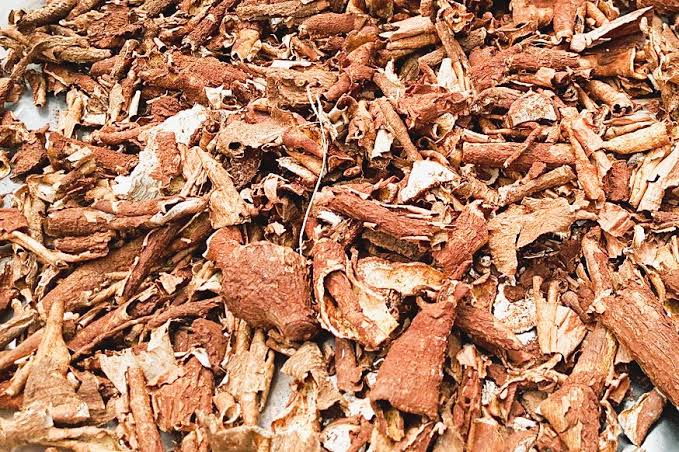
COAST REGION: CASSAVA peels, previously considered agricultural waste, are set to become an environmentally friendly construction material that could reduce reliance on cement and lower building costs.
The innovation is being introduced through a two-week sustainable construction training programme at Mhaga Village, Kisarawe District, Coast Region, aimed at transforming cassava waste into a useful material for building houses.
The programme is coordinated by Tanzania Women Architects for Humanity (TAWAH), in collaboration with the United Nations Development Programme (UNDP) Tanzania.
It brings together experts and participants from Zambia, Uganda, Burkina Faso, Senegal and Nigeria to exchange knowledge, share experiences and promote innovative green construction technologies.
Speaking during the opening of the training yesterday, TAWAH Executive Director Dr Victoria Heilman said cassava peels would be processed into a construction material with properties similar to cement.
She said the technology is particularly suitable for Mhaga Village, which is a major cassava-producing area, as it will turn locally available waste into a valuable resource.
“We have already collected cassava peels from the village, and trainers from Nigeria will demonstrate how they can be processed and used in construction. This is an environmentally sustainable technology that makes effective use of resources available within the community,” she said.
Dr Heilman said the initiative would help reduce environmental pollution, increase the value of farmers’ produce and promote the use of locally sourced construction materials.
She added that the training also covers earth-based construction techniques aimed at reducing the amount of cement and water used in brick production, while promoting building designs that improve natural ventilation and reduce dependence on electric fans and air conditioning.
Participants will receive practical training in soil excavation, brick production and construction of a demonstration building showcasing sustainable building methods.
ALSO READ: Govt allocates 4.6bn/- to support youth innovations
Dr Heilman said the programme also highlights the role of women in the construction sector, noting that visiting participants have shown interest in Tanzania’s experience of women taking part in building quality structures.
“They have been impressed by the way we use earth as a building material and by our architectural designs. They have seen that our buildings require neither electric fans nor air conditioners, reducing energy costs while providing comfortable living spaces,” she said.
She added that delegates were also interested in Tanzania’s approach to constructing homes for vulnerable elderly people as part of community support initiatives.


I really appreciate this kind of unique innovation, this will play various rules like helping on environmental protection, youth entrepreneurship, and respect to the woman who seem to do nothing while they can do a lot in this world.
I wish joining you
Thanks
Omar Juma
Zanzibar
I understand new education to protect our environment through to use friendly materials (peel casava)
This will be a very good opportunity to Tanzanian peasants, it can create a lot of employment opportunities, moreover, it will maintain food security within families.
Wow, amazing. Africa is a piece of gold. If we continue paying more attention to our surrounding, we will discover that there is alot of treasure in what we consider useless. Great innovation indeed. Keep going Africa
Africa will rise up as soon as possible.
Am so much interested in the technology
I am interested and would love to see video of the process.
Still waiting for this innovation for sustainable development…. This Will support small farmers
Good innovation! Watching a video on the process would be good. Is there any published scientific article on the subject with comparison with cement?
This is a good innovation and I would like to know more about it especially now that we need Portland cement alternative.