Tanzania to host second International Primary Health Care Conference in Arusha
DAR ES SALAAM: THE President’s Office – Regional Administration and Local Government (TAMISEMI), in collaboration with the Ministry of Health and other health sector stakeholders, will host the Second International Primary Health Care Conference from September 9 to 11, 2026, at the Arusha International Conference Centre (AICC). The conference aims to provide a platform for sharing experiences and best practices in primary health care.
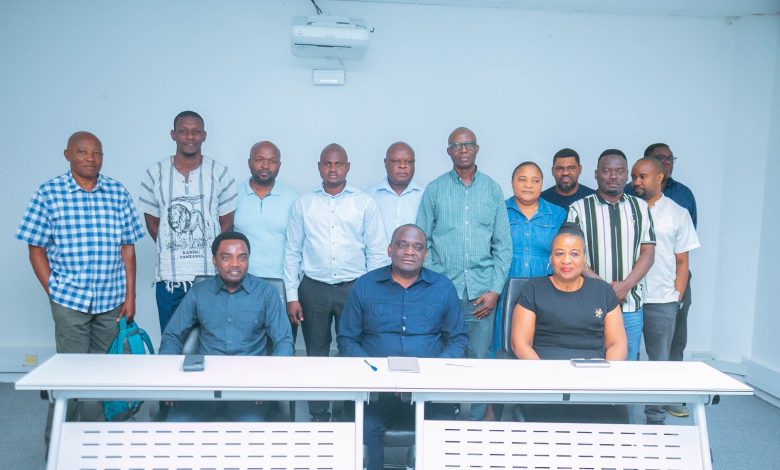
Speaking to journalists in Dar es Salaam, Dr Rashid Mfaume, Director of Health Services, Social Welfare and Nutrition at TAMISEMI, said the event follows the success of the first International Primary Health Care Conference held in Dodoma.

He said the conference will be held under the theme, “Strengthening Primary Health Care Systems Towards Universal Health Coverage,” and will focus on improving health financing, enhancing the efficient use of financial and human resources, and strengthening the quality of primary health care services.
Dr Mfaume noted that the conference will also provide Tanzania with an opportunity to showcase the significant achievements made in the health sector under the leadership of President Samia Suluhu Hassan, particularly in reducing maternal deaths related to childbirth complications and lowering mortality among children under the age of five.
He added that more than 80 percent of Tanzanians access healthcare through the country’s primary health care system, which includes community-based services, dispensaries, health centres, and district hospitals. These achievements, he said, have been driven by substantial government investment in health infrastructure, medical equipment, and human resources.
According to Dr Mfaume, the conference will bring together participants from Tanzania and across the world, including health professionals, researchers, health technology innovators, universities, policymakers, and development partners, to exchange knowledge and learn from international best practices in strengthening primary health care systems.
He said Tanzania will benefit from the experiences of other countries while also giving international participants an opportunity to learn from Tanzania’s achievements in expanding health infrastructure. During the Sixth Phase Government, more than 129 district hospitals, numerous ward-level health centres, and over 1,300 dispensaries have been constructed, alongside major investments in modern medical equipment and the training of health professionals.
Dr Mfaume emphasized that diseases do not recognize borders or require passports, making international collaboration essential for strengthening health systems and addressing global health challenges.
He added that the conference will also discuss health research, the use of technology in healthcare delivery, policy reforms, and innovative approaches to improving primary health care services in pursuit of universal health coverage.
Meanwhile, Dr Pius Kagoma, the conference coordinator from TAMISEMI, said that 73 percent of all health facilities in Tanzania are primary health care facilities, underscoring the importance of the conference in generating resolutions that will further improve healthcare service delivery.
Dr Kagoma added that Tanzania has made remarkable progress in primary health care and stressed the importance of maintaining an international platform such as this conference to continue enhancing the efficiency and quality of primary health care services nationwide.