PM orders Ministries to budget for patrol boat operations and maintenance
DAR ES SALAAM: PRIME Minister Mwigulu Nchemba has directed all ministries and institutions that use patrol boats to allocate sufficient funds in their budgets to ensure the vessels are properly operated, regularly deployed for patrols and maintained without being hindered by financial constraints.
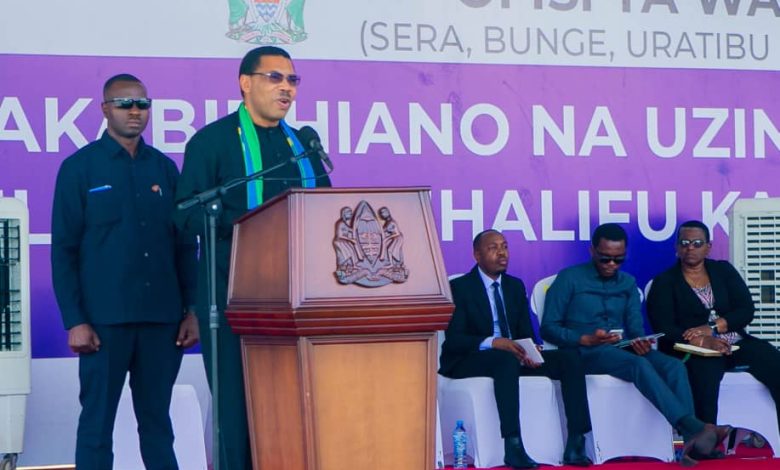
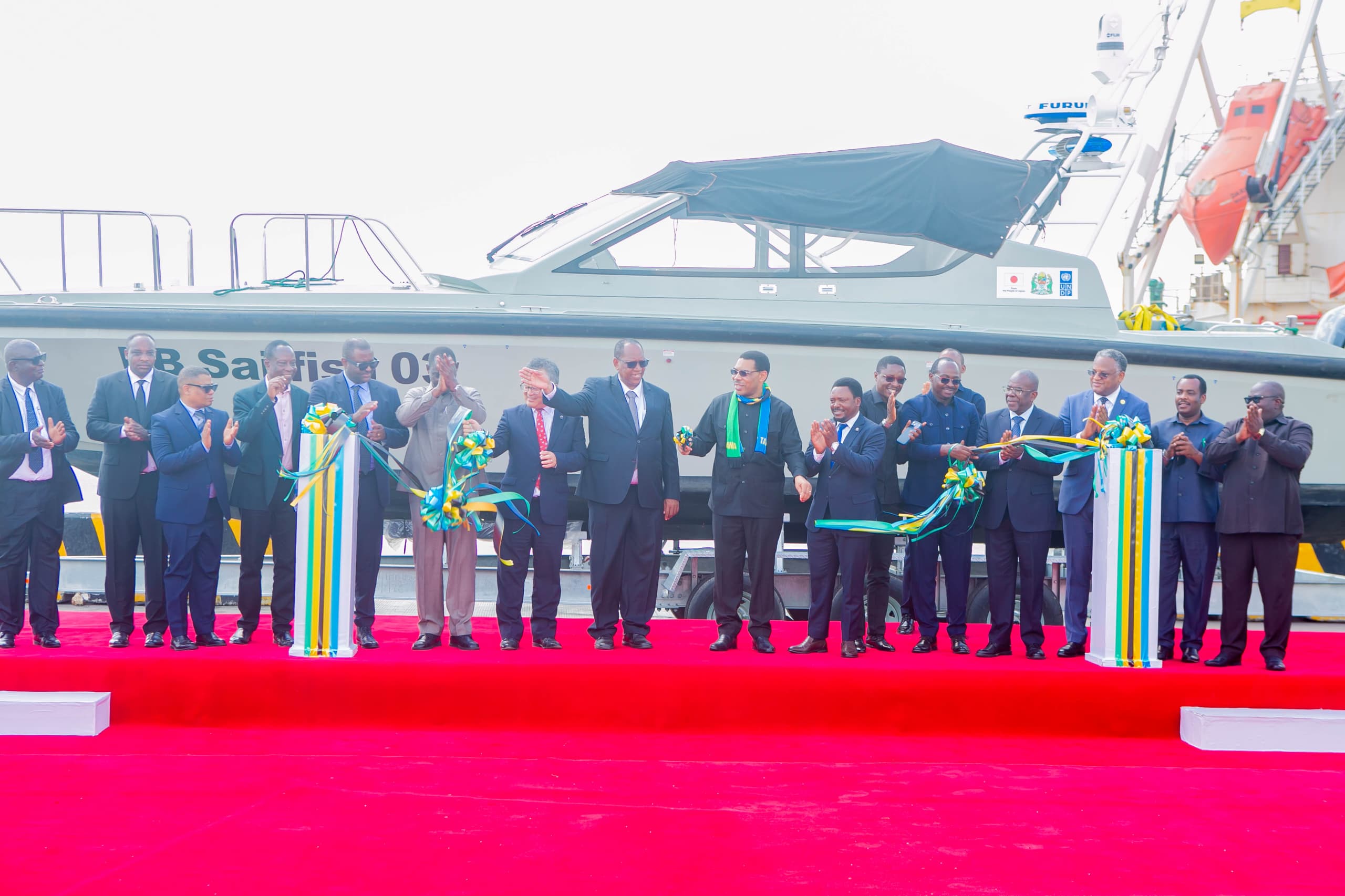
Speaking in Dar es Salaam during the handover and commissioning of two patrol boats to combat crime in Tanzania’s maritime and Great Lakes waters, Nchemba said the government has invested substantial resources in acquiring modern equipment and that it is the responsibility of the relevant institutions to ensure the assets are fully utilized for the benefit of citizens and national security.
He stressed that patrol boats should never remain idle due to operational challenges, saying they must be ready at all times to conduct patrols, carry out rescue missions and respond to emergencies at sea and on the Great Lakes.
The Prime Minister also instructed those responsible for managing the boats to ensure they receive regular maintenance in accordance with technical guidelines so they remain operational and continue delivering efficient services. He further emphasized that the vessels should be deployed in line with the National Maritime Crime Prevention Guidelines, while urging all relevant institutions to work closely together and avoid overlapping responsibilities during security operations.
Nchemba also directed all institutions expected to be part of the National Joint Operations Centre to deploy their representatives within two weeks to enable the centre to begin full operations.
He said stronger cooperation among Union institutions would help close loopholes exploited by criminals involved in illegal migration, piracy, drug trafficking, human trafficking, illegal fishing and the smuggling of natural resources.
The Prime Minister thanked the Government of Japan, the United Nations Development Programme and other development partners for financing the project, saying it has delivered benefits beyond the acquisition of patrol boats. These include the development of national maritime crime prevention guidelines, the construction of fish drying infrastructure, training for seaweed farmers and capacity building for Tanzanian experts. He added that the government will continue working with development partners to strengthen maritime border security and promote economic development.
Meanwhile, Minister of State in the PrimeMinister’s Office (Policy, Parliament, Coordination and Persons with Disabilities), Palamagamba Kabudi, said the project will strengthen investigations and efforts to combat crime along Tanzania’s coastline. He noted that the initiative forms part of the government’s broader strategy to enhance maritime security and safeguard the national economy, particularly following disruptions caused by the ongoing Red Sea conflict, including attacks by Houthi militants that have disrupted shipping routes and increased cargo transport costs.
Kabudi said that under the project, the government acquired two modern patrol, communication and rescue vessels—BP Sea Fish No. 2 and BP Sea Fish No. 3—to improve surveillance and combat criminal activities along the coast. Sea trials have already been completed, alongside training for Tanzanian specialists on the operation, maintenance and management of the vessels.
He added that the project has also invested in empowering coastal communities, particularly in Mkinga District, through training in the blue economy and group management to improve productivity and enhance the livelihoods of coastal residents.
Ilala District Commissioner Edward Mpogolo said the launch of the patrol boats will strengthen security along Tanzania’s coastline while contributing to economic growth and improving the livelihoods of coastal communities.