JK calls on nations to prioritize domestic financing in bolstering their health sector
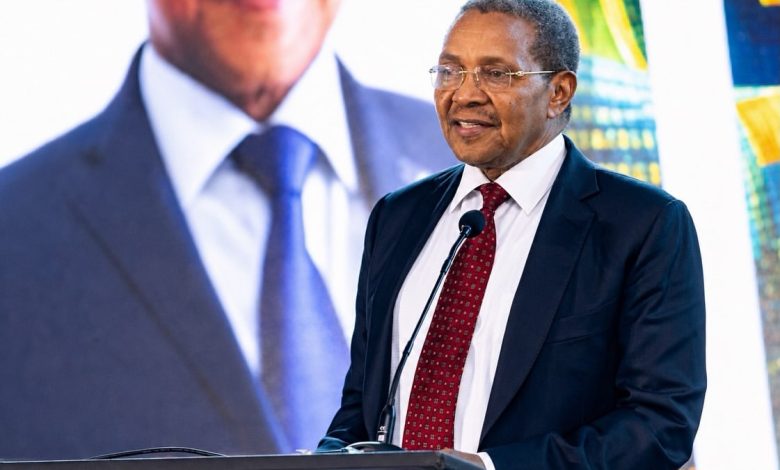
ACCRA: THE former President of the United Republic of Tanzania, Dr Jakaya Mrisho Kikwete, has called on African governments to move beyond declarations and unfulfilled commitments by prioritizing domestic financing, accountability, and innovation to strengthen the continent’s health sector.
Dr Kikwete made the remarks during a High-Level Policy Dialogue held in Accra, Ghana, on the sidelines of the African Union Special Summit on Health.
The dialogue brought together ministers, policymakers, regional economic communities, African Union institutions, development partners, private sector leaders, and global health experts to discuss strategies for advancing Africa’s health agenda.
The event was jointly organized by the African Renaissance Trust and the Jakaya Mrisho Kikwete Foundation, in collaboration with the African Union Commission and other partners, under the theme: “Advancing Africa’s Health Agenda through Domestic Financing, Accountability, and Strategic Innovation.”
Addressing participants, Dr Kikwete said Africa’s long-standing dependence on external donor funding to finance healthcare systems is no longer sustainable. He noted that declining development assistance, rising public debt, and growing demand for quality healthcare services require African countries to rethink how they finance and manage their health systems.
ALSO READ: Tanzania supports blended financial initiative to boost Africa’s aviation, health sectors
“The message from Eswatini to Accra is clear: Africa must increasingly finance, produce, and safeguard its own health future,” Dr Kikwete said.
The meeting comes 25 years after the adoption of the 2001 Abuja Declaration, which called on African Union member states to allocate at least 15 percent of their national budgets to the health sector.
Despite the commitment made under the Abuja Declaration, many African countries continue to face significant funding gaps for healthcare while the continent bears a disproportionate burden of HIV/AIDS, tuberculosis, malaria, preventable maternal deaths, and the growing prevalence of non-communicable diseases.
Dr Kikwete emphasized that Africa’s health future depends on its ability to mobilize domestic resources, strengthen accountability, and embrace innovation in health policy planning and implementation, rather than relying on external aid as the primary source of healthcare financing.