EA seeks sustainable early warning funding

ARUSHA: METEOROLOGICAL authorities in Eastern Africa have called for stronger regional cooperation and sustainable financing mechanisms to strengthen early warning systems and climate services aimed at protecting communities, supporting economic development and enhancing resilience against climate-related hazards.
The call was made yesterday during the High-Level Session of the Regional Dialogue on Strengthening Early Warning Systems and Climate Services in Eastern Africa, held in Arusha, which brought together Permanent Representatives and Heads of National Meteorological and Hydrological Services (NMHS) from across the region.
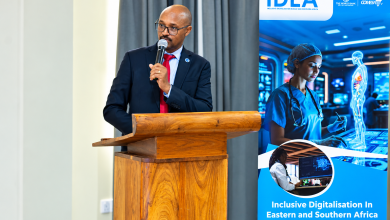
Speaking during the session, Tanzania Meteorological Authority (TMA) Director General and Permanent Representative of Tanzania to the World Meteorological Organisation (WMO), Dr Ladislaus Chang’a, said the forum provided an important platform to strengthen partnerships, promote sustainable financing and accelerate implementation of the Early Warnings for All initiative in the region.
“Climate change and climate extremes continue to present unprecedented challenges to our countries. Across Eastern Africa, we continue to experience devastating floods, prolonged droughts, severe thunderstorms, heatwaves and other extreme weather events whose impacts are becoming increasingly severe,” Dr Chang’a said.
He said such hazards continue to threaten lives, food security, water resources, infrastructure, ecosystems and national economies, making strengthening of early warning systems and climate services a regional priority.
Dr Chang’a said discussions during the technical sessions focused on improving coordination among regional climate centres, strengthening the authoritative role of NMHS in forecasting and early warnings, enhancing impact-based forecasting and improving dissemination of climate information.
Other key areas included strengthening regional data sharing, promoting the use of information and communication technologies (ICT) and applying Artificial Intelligence (AI) and Machine Learning in climate services.
He emphasised that effective early warning systems require more than accurate weather forecasts, noting that countries must address the “3As” challenges of availability, accessibility and applicability of information.
ALSO READ: ACT rallies support for GNU accord
“Working in the spirit of not leaving anyone behind, we must ensure that climate information reaches those who need it and enables timely decisions that protect lives and livelihoods,” he said.
Dr Chang’a said Tanzania remains committed to supporting the Early Warnings for All initiative through continued investments in observation infrastructure, weather radars, automatic weather stations, numerical weather prediction, digital dissemination platforms and impact-based forecasting.
He added that Tanzania was also strengthening SouthSouth cooperation by sharing expertise and best practices with other African countries in areas including legislation, quality management systems, numerical weather prediction, severe weather forecasting, training, equipment calibration and digital meteorological services.
Representing the UK Met Office, Ms Fionne Marshal said harmonisation of early warning systems was critical because weather-related risks do not respect national boundaries.
She said floods, droughts, extreme heat and severe storms often affect several countries simultaneously, requiring institutions to work beyond geographical and organisational boundaries.