Experts back tax relief measures

DAR ES SALAAM: THE government’s decision to abolish or reduce 374 fees and levies is expected to stimulate business growth, attract investment, create jobs and widen Tanzania’s tax base, economists and analysts have said.
They said the reforms will encourage business formalisation, expand trade and investment, improve productivity, increase household incomes and generate more tax revenue over time despite the initial loss from the abolished charges.
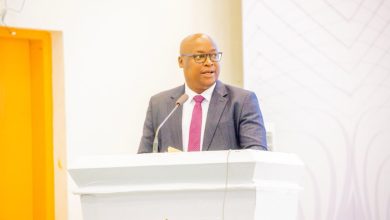
Speaking in an exclusive interview with the Sunday News yesterday, economist and investment banker Dr Hildebrand Shayo said the measures under the Finance Act 2026/27 reflect the government’s commitment to reducing tax costs and administrative barriers that have discouraged investment and business expansion.
“Greater business activity, higher profitability, increased investment and business formalisation are expected to broaden the tax base over time, generating higher revenue from other taxes despite the short-term loss from the abolished levies,” he said.
Dr Shayo said efficient tax administration will be key to sustaining government revenue while ensuring continued financing of essential public services.
He added that removing nuisance taxes, overlapping charges and costly compliance requirements will improve the investment climate, enhance legal certainty and support strategic sectors, particularly small and medium-sized enterprises (SMEs).
According to him, the reforms will strengthen private sector investment in manufacturing, agriculture, logistics, energy and services, creating jobs, boosting productivity, improving competitiveness and accelerating the implementation of Tanzania’s Vision 2050.
Professor of Economics and Founding Director of the Centre for Chinese Studies at the University of Dar es Salaam, Prof Humphrey Moshi also welcomed the reforms, saying they will cushion businesses and the private sector against global geopolitical shocks, including rising fuel prices that have increased the cost of doing business.
However, he stressed that tax relief alone would be insufficient unless accompanied by sound implementation. He urged the government to reduce unnecessary public expenditure and strengthen prudent economic management to sustain growth.
Economist at Marian University and PhD candidate at the University of Dar es Salaam, Gilbert Mwabeza, said the reforms are intended to create a more conducive environment for businesses, particularly small-scale investors.
He said Tanzania, as a developing country that relies heavily on domestic revenue, needs a vibrant private sector to drive economic growth. Improving the investment climate and expanding the tax base, he noted, would ultimately strengthen the economy.
Mr Mwabeza cited measures such as deferred VAT payments on investment machinery and VAT exemptions for strategic sectors, including clean cooking gas infrastructure and electric vehicle charging equipment, saying they will improve productivity and attract more investment.
He added that the reforms will enhance business competitiveness, increase the value of industrial and agricultural products, create jobs, particularly for young people, and raise household incomes.
ALSO READ: Govt revises Finance Bill, eases tax burden
He, however, cautioned that the reforms would have greater impact if accompanied by industrialisation, value addition, increased domestic and foreign investment and faster adoption of the digital economy to improve Tanzania’s competitiveness in the global marketplace.
Meanwhile, Prime Minister Dr Mwigulu Nchemba has called on Tanzanians to take advantage of the new tax measures by increasing production and expanding investment instead of focusing solely on personal profits that do not benefit the wider population.
The Premier made the remarks on Friday in Dodoma while adjourning the Third Meeting of the 13th Parliament after lawmakers approved the government’s 62.33tri/- budget for the 2026/27 financial year.