

Millions of seedlings boost Kilimanjaro coffee recovery
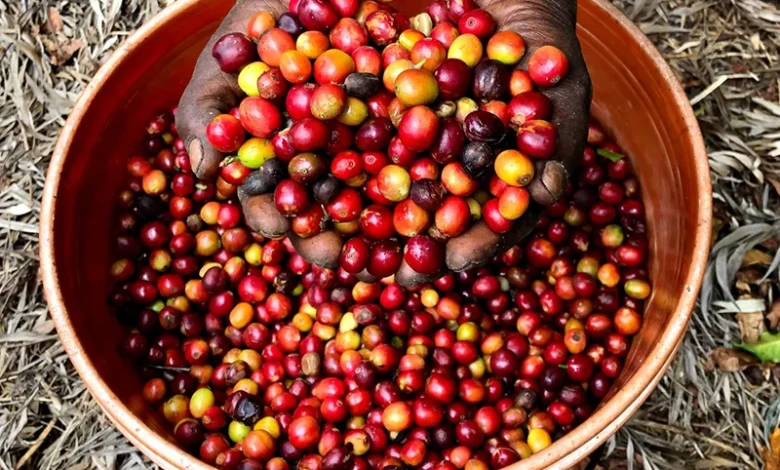
DODOMA: MORE than three million improved coffee seedlings have been distributed in Kilimanjaro Region to help reverse falling coffee production and improve farmers’ incomes.
Deputy Minister for Agriculture David Silinde told the National Assembly yesterday that annual coffee production in the region has fallen from 25,000 tonnes to about 4,000 tonnes of clean coffee, prompting a series of interventions to restore output.
Deputy Minister for Agriculture David Silinde told the National Assembly yesterday that the revitalisation programme is aimed at boosting productivity, improving quality and increasing farmers’ incomes from the crop.
Responding to a basic question from Enock Koola (Vunjo, CCM), who sought to know the government’s plans to revive the crop and restore Kilimanjaro’s position in coffee production, Mr Silinde said a series of interventions are being implemented to strengthen the sector.
He said Kilimanjaro was among the country’s traditional coffee-producing regions, with annual production once reaching 25,000 tonnes of clean coffee before declining sharply in recent years.
“In recent years, coffee production in Kilimanjaro has faced a number of challenges, leading to a decline in output to an average of about 4,000 tonnes of clean coffee annually,” Mr Silinde said.
The deputy minister said the government has already distributed more than three million improved coffee seedlings over the past two farming seasons as part of the revitalisation programme.
According to him, 2,032,574 seedlings were produced and distributed during the 2023/24 farming season, while another 1,017,500 seedlings were supplied during the 2024/25 season.
He added that plans are underway to produce and distribute more than two million additional improved seedlings during the 2026/27 farming season.
Mr Silinde said the interventions are expected to increase productivity, improve coffee quality and support efforts to restore the region’s standing as one of the country’s leading coffee-producing areas.
The government has also undertaken reforms in coffee marketing and trade systems, helping farmers secure better prices and gain access to lucrative international markets.
ALSO READ: Coffee, roads key in Kyerwa economic push
Mr Silinde said the reforms have enabled primary cooperative societies in Kilimanjaro to enter direct contracts with buyers in specialty coffee markets, particularly in Japan.
The improved market access has already started yielding results. He revealed that in 2025, Farmers Kilimanjaro Coffee Ltd exported 57,600 kilogrammes of coffee to Japan, earning 594,402 US dollars.
The deputy minister said the achievement demonstrates the growing potential of Tanzania’s coffee sector and the benefits of linking farmers to high-value global markets.
He said direct access to specialty coffee markets has helped increase returns to farmers and strengthened confidence among producers seeking to improve both the quantity and quality of their coffee.
Mr Silinde reaffirmed the government’s commitment to working closely with stakeholders across the coffee value chain to increase production, improve quality and expand market opportunities both locally and internationally.
“We will continue collaborating with all stakeholders to strengthen the coffee sector, improve farmers’ incomes and ensure Tanzania remains competitive in the global coffee market,” he said.




Wow, marvelous weblog structure! How long have you been running a blog for? you make blogging look easy. The total glance of your web site is great, as well as the content material!