

Govt revises Finance Bill, eases tax burden
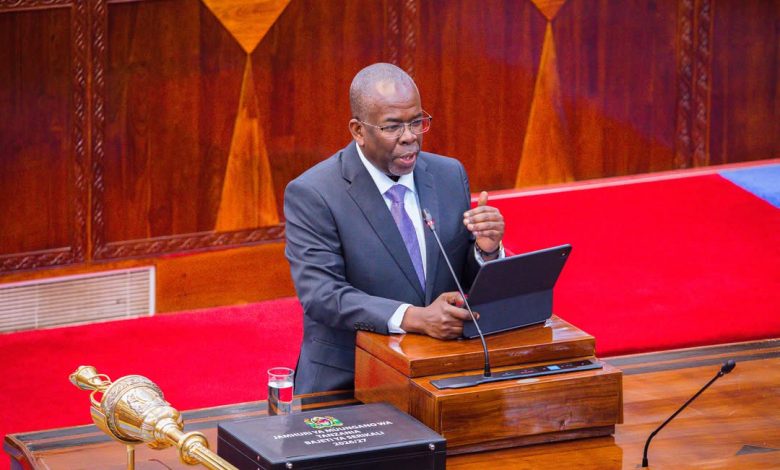
DODOMA: THE government has accommodated several key changes to the Finance Bill, 2026, following recommendations from the Parliamentary Standing Committee on Budget, in a move aimed at easing the tax burden on selected sectors, while improving the investment and business environment.
Presenting the bill in the National Assembly yesterday, Finance Minister Ambassador Khamis Mussa Omar said the government had incorporated most of the committee’s recommendations after extensive consultations held between June 14 and June 24.
“I would like to assure MPs that, to a large extent, this bill has taken into account the advice and recommendations of the committee,” Amb Omar told lawmakers.
He said the consultations involved the Attorney General’s Office, legal drafting experts, officials from the Ministry of Finance and the Tanzania Revenue Authority (TRA), as well as representatives from the private sector, financial institutions and the general public.
According to the minister, the bill seeks to amend various tax and non-tax laws to facilitate implementation of the 2026/27 national budget, which was presented on June 11 and approved by MPs on June 23. Among the most notable changes is the reduction of excise duty on imported used motor vehicles.
Under the revised proposal, vehicles aged between eight and 10 years will attract an 18 per cent excise duty instead of the initially proposed 20 per cent.
Vehicles older than 10 years but not exceeding 20 years will be taxed at 35 per cent, down from the proposed 40 per cent, while those above 20 years will now attract a 40 per cent levy rather than 50 per cent.
The government also withdrew its proposal to impose a five per cent excise duty on betting stake amounts after concerns were raised by stakeholders during committee deliberations.
In another significant amendment, the government dropped a proposal to impose a five per cent excise duty on motorcycles.
The agricultural sector also received major relief after the government scrapped several proposed taxes on agricultural produce, livestock, milk, fish and related products.
ALSO READ: Bunge passes pro-growth Finance Bill
A proposed one per cent withholding tax on income earned from agricultural produce transactions was also withdrawn.
Small and medium-sized businesses benefited from a reduction in the presumptive income tax rate. Businesses with annual turnover ranging between 11m/- and 200m/- will now pay four per cent tax instead of the proposed 4.5 per cent.
In the mining sector, the government revised tax incentives by limiting duty relief to the construction phase of mining projects.
The incentives will cease once production begins. Companies found abusing the incentives will face legal action, including cancellation of exemptions and recovery of waived taxes.
The government also accepted recommendations aimed at broadening the use of revenue collected from protected conservation areas.
Under the revised arrangement, part of the funds can now be utilised not only for conservation activities but also for infrastructure projects that support value addition. Another major amendment concerns sugar taxation.
The government abandoned its proposal to introduce a levy of 10/- per kilogramme on locally produced sugar.
Instead, it will impose a levy of 20/- per kilogramme on imported sugar, with proceeds earmarked for the Universal Health Insurance Fund.



I have been exploring for a little for any high-quality articles or blog posts on this sort of area . Exploring in Yahoo I at last stumbled upon this web site. Reading this info So i am happy to convey that I’ve a very good uncanny feeling I discovered exactly what I needed. I most certainly will make certain to don’t forget this website and give it a glance on a constant basis.