Namibia president’s state visit to TZ more than routine diplomatic engagement
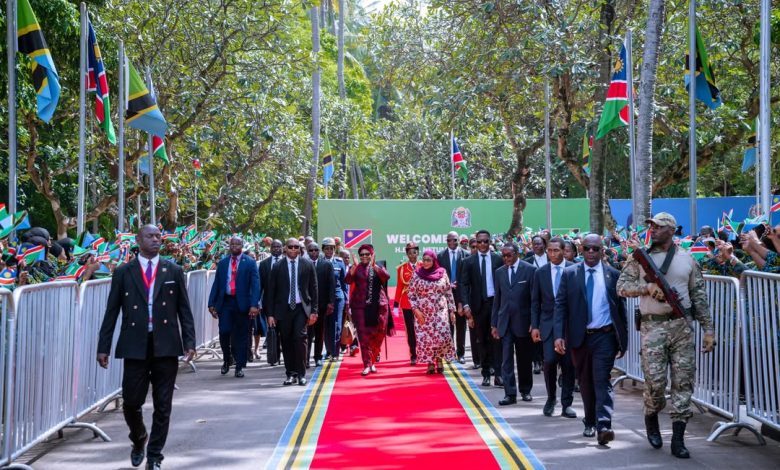
DAR ES SALAAM: THE state visit of Dr Netumbo Nandi-Ndaitwah, President of Namibia, to Tanzania from Friday to yesterday was more than a routine diplomatic engagement.
It was a strategically significant event that reinforced historical bonds, strengthened political and economic cooperation, and highlighted the evolving role of Tanzania and Namibia within the Southern African Development Community (SADC) and the broader African continent.
As the first state visit by President Netumbo Nandi-Ndaitwah since assuming office, the visit carried symbolic, political, economic and regional importance.
It underscored the enduring friendship between two nations whose relationship was forged during the struggle against colonialism and apartheid and now seeks to adapt to the demands of a rapidly changing global and continental landscape.
Historical foundations of a special Relationship
Any analysis of Tanzania–Namibia relations must begin with history. Tanzania was among the strongest supporters of Namibia’s liberation struggle, providing political backing, military training facilities, and diplomatic support to the South West Africa People’s Organisation (SWAPO).
During the liberation era, Tanzania became a second home for many Namibian freedom fighters and political leaders, including President Nandi-Ndaitwah herself.
Her return to Tanzania, therefore, represented more than a state occasion; it symbolised the continuity of a liberation partnership that has matured into a modern diplomatic relationship. Visits to historical sites associated with Namibia’s liberation struggle reinforced the narrative that the friendship between the two countries is rooted in shared sacrifice and common aspirations.
This historical dimension provides Tanzania and Namibia with a unique diplomatic advantage. Unlike many contemporary bilateral relationships driven solely by economic interests, their partnership is built upon trust, solidarity and decades of political cooperation.
The political significance of the visit
Politically, the visit reaffirmed both countries’ commitment to maintaining strong bilateral relations at a time when Africa faces complex governance, security and development challenges. The bilateral meeting between President Samia Suluhu Hassan and President Nandi-Ndaitwah was particularly significant because it brought together two influential female leaders heading sovereign states in Southern Africa. Their engagement projected a powerful message about the increasing role of women in African leadership and governance.
The visit also demonstrated continuity in foreign policy priorities while remaining committed to Pan-Africanism, multilateralism, and regional integration. Their discussions reflected a shared vision on issues such as peace and security, sustainable development, climate resilience and the strengthening of African institutions.
At a broader level, the visit reinforced the strategic importance of South-South cooperation and African solidarity at a time when geopolitical competition among major global powers is intensifying.
Economic diplomacy at the centre
Perhaps the most important contemporary aspect of the visit was its economic dimension. While historical ties remain important, both countries increasingly recognise that political goodwill must translate into tangible economic benefits.
The Tanzania–Namibia Business Forum 2026 held alongside the State Visit reflected this understanding. The forum provided an opportunity for businesses and investors from both countries to identify new areas of cooperation in sectors such as the following: Agriculture and agribusiness, mining and mineral beneficiation, energy and renewable resources, tourism and hospitality, maritime and logistics services, manufacturing and industrial development, and trade and investment promotion.
For Tanzania, Namibia presents opportunities in mining expertise, livestock development, and access to Southern African markets. For Namibia, Tanzania offers access to a large consumer market, strategic ports on the Indian Ocean, and a gateway to East Africa.
The emphasis on economic diplomacy is consistent with Africa’s broader development agenda, particularly the implementation of the African Continental Free Trade Area (AfCFTA), which seeks to increase intra-African trade and reduce dependence on external markets.
Regional integration and sadc cooperation
President Nandi-Ndaitwah’s visit carried significance beyond the bilateral relationship, underscoring the shared commitment of Tanzania and Namibia to advancing regional integration and cooperation within the Southern African Development Community (SADC).
As influential members of the regional bloc, both countries have consistently played constructive roles in promoting peace, stability and sustainable development across Southern Africa.
During their discussions, the two leaders emphasised the importance of strengthening regional connectivity, facilitating trade, and developing regional value chains to unlock greater economic opportunities for the people of the region. These priorities are particularly important as African countries work to accelerate economic integration, enhance competitiveness, and realise the full potential of the African Continental Free Trade Area (AfCFTA).
The talks also addressed regional and international issues of mutual interest, reflecting the close alignment of Tanzania and Namibia on matters affecting peace, security, governance and development.
Both countries reaffirmed their support for stronger African institutions and their commitment to African-led solutions to African challenges, recognising that lasting progress depends on collective action, regional solidarity and shared responsibility.
The visit further highlighted the enduring relevance of the liberation-era bonds that unite Tanzania and Namibia. The values of solidarity, self-determination, and Pan-African cooperation that guided their founding leaders continue to inform their engagement on contemporary regional challenges. Through their partnership, the two countries contribute to the cohesion and effectiveness of SADC while advancing a shared vision of a peaceful, prosperous, and integrated Africa.
Today, Tanzania and Namibia stand as strong advocates of regional cooperation and continental unity. Their continued collaboration serves as a testament to the enduring spirit of Pan-Africanism and their collective determination to build a more resilient, connected, and prosperous future for Africa.
Symbolism of women’s leadership
One of the most notable aspects of the state visit was its symbolic value regarding women’s leadership in Africa. President Samia and President Nandi-Ndaitwah represent a significant shift in the political landscape of the continent. Their meeting showcased the growing acceptance of women in the highest levels of political leadership and offered inspiration to future generations of African women.
Beyond symbolism, both leaders have demonstrated strong commitments to economic transformation, social development, and regional cooperation. Their engagement illustrated how female leadership is increasingly shaping policy agendas across Africa.
Strategic outcomes and future prospects
The long-term significance of the visit will depend on how the commitments made during the visit are implemented. Several areas present strong prospects for future cooperation, such as trade expansion, where both countries have the opportunity to increase bilateral trade volumes through improved market access and business partnerships; and investment promotion, where a greater investment flow can be achieved by linking Tanzanian and Namibian businesses in strategic sectors.
In the area of tourism cooperation, a joint promotion of tourism products could attract more international visitors to both destinations and make them beneficial for the people of both countries.
In the area of knowledge and skills exchange, cooperation in education, vocational training, and technological innovation could enhance human capital development. In maritime and logistics connectivity, Tanzania’s ports can be used to offer Namibia additional opportunities to access markets in East Africa and the Indian Ocean region.
During the visit, she returned to Magomeni Mikumi in Dar es Salaam, where she once resided, and made a pilgrimage to the Namibian Freedom Fighters’ Cemetery and the African Liberation Movements’ Freedom Fighters Camp in Kongwa, Dodoma.
These sites stand as enduring symbols of Tanzania’s contribution to the liberation of Southern Africa and the sacrifices made by countless freedom fighters in the struggle for independence.
The emotional visit served as a reminder that the relationship between Tanzania and Namibia is built not only on diplomatic agreements but also on shared experiences, sacrifices, and a collective vision for Africa’s freedom and development.
President Nandi-Ndaitwah’s decision to visit Magomeni Mikumi in Dar es Salaam, where she once lived during Namibia’s liberation struggle, as well as the Namibian Freedom Fighters’ Cemetery and the African Liberation Movements’ Freedom Fighters Camp in Kongwa, carried profound historical and symbolic significance.
Beyond the formal agenda of the state visit, these visits highlighted the deep human and historical dimensions of Tanzania–Namibia relations. They served as a powerful reminder of Tanzania’s pivotal role as a sanctuary and strategic base for Southern African liberation movements, including SWAPO, during the struggle against colonialism and apartheid.
By retracing places associated with her own experiences and the broader liberation journey, President Nandi-Ndaitwah reaffirmed the enduring connection between the two nations and paid tribute to the sacrifices of those who dedicated their lives to the cause of freedom.
The visits also underscored the unique character of Tanzania–Namibia relations, which are rooted not only in diplomatic engagement but also in a shared history of struggle, solidarity, and mutual support. In an era where bilateral relations are increasingly shaped by economic and strategic interests, the commemoration of liberation heritage serves as an important source of political trust and moral legitimacy.
It reinforces a common understanding of the values that continue to guide cooperation between the two countries, including Pan-Africanism, self-determination and collective responsibility for Africa’s development.
By honouring the past, both nations reaffirmed their commitment to strengthening a partnership that is capable of addressing contemporary challenges while remaining grounded in the principles that forged their friendship.
President Nandi-Ndaitwah’s state visit to Tanzania from Friday to yesterday was a strategically important diplomatic engagement that successfully combined history, symbolism and future-oriented cooperation.
ALSO READ: Dar, Windhoek eye investment growth
The visit reaffirmed the enduring friendship between Tanzania and Namibia, strengthened political and economic relations, and highlighted the continued relevance of liberation-era solidarity in contemporary African diplomacy. It also demonstrated how historical partnerships can evolve into dynamic economic and strategic relationships that advance national development and regional integration.
Ultimately, the visit served as a reminder that while Tanzania and Namibia are united by a shared past, their partnership is increasingly focused on building a prosperous future for their peoples and contributing to Africa’s broader agenda of peace, integration and sustainable development.