

Dar reviews flood disaster plans in five high-risk wards
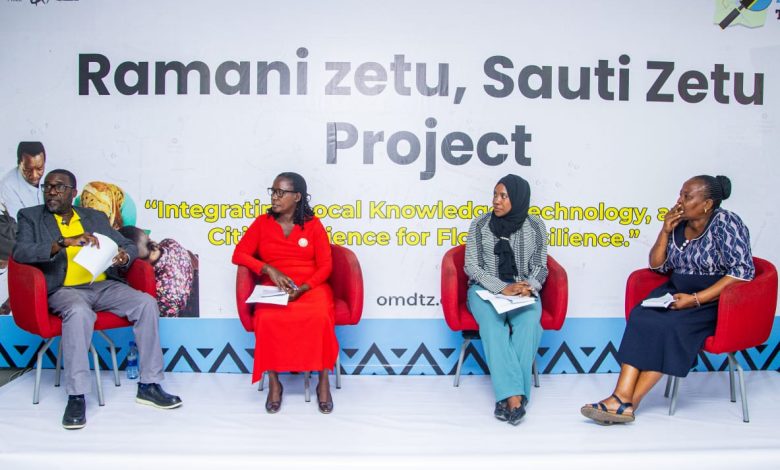
DAR ES SALAAM: THE Prime Minister’s Office, in collaboration with OpenMap Development Tanzania (OMDTZ), has reviewed and validated disaster preparedness and response plans for five flood prone wards in Dar es Salaam in an effort to strengthen urban flood resilience.
The exercise, implemented through the ‘Ramani Zetu Sauti Zetu’ project, covered Makurumula, Mabibo, Keko, Ubungo and Tabata wards, all identified as high risk areas due to recurring flooding during heavy rains.
The review is designed to ensure that ward level disaster plans reflect ground realities and improve coordination in emergency response.
The process brought together local government leaders, ward disaster management committees, disaster experts, and regional and district disaster coordinators under a joint planning framework supported by participatory mapping and community generated data.
According to Col Selestine Masalamado, Assistant Director of Disaster Operations in the Prime Minister’s Office, effective disaster planning depends on implementation and practical impact.
“This project, funded by the Zayed Sustainability Prize through the Open Map Development Tanzania (OMDTZ) Foundation, in collaboration with the Prime Minister’s Office – Disaster Management Department, has come at the right time and we have high hopes for positive results to ensure we strengthen disaster management issues in the country,” said Col Masalamado.
For his part, the OMDTZ Director Innocent Maholi said the project will continue to strengthen community resilience through technology, participatory mapping, and early warning systems in vulnerable areas.
On the other hand, Gerald Sondo, Dar es Salaam Regional Disaster Coordinator, said the validated plans will improve preparedness, strengthen coordination, and reduce the impact of flooding in the city.
Dar es Salaam’s recurring flooding continues to disrupt economic activity across the city, with transport routes often cut off, businesses forced to close temporarily, and markets experiencing supply chain interruptions during periods of heavy rainfall. Informal settlements in low lying areas are particularly affected, with residents frequently incurring losses of property and income.
The situation has also placed pressure on public infrastructure, including roads, drainage systems, and social services, as emergency responses are repeatedly activated during peak rainfall seasons. The disruptions have contributed to broader concerns about urban resilience in one of East Africa’s fastest growing commercial hubs.
Therefore, it is said that the Ramani Zetu Sauti Zetu initiative is expected to strengthen evidence based planning and improve coordination among disaster management actors, with the aim of reducing losses and enhancing preparedness at ward level.


References:
Lollybet Casino Login https://www.thesamba.com/
References:
Lollybet Casino Bitcoin image.google.sh
References:
Zet Casino Auszahlung vmcworks.com
References:
Malina Casino Einzahlung http://toolbarqueries.google.ws
References:
Candy96 Casino $100 no deposit ramrokaam.com.np