Govt taps tobacco, sugar levies to fund UHI
DODOMA: THE government has proposed new levies on tobacco products and sugar to secure sustainable financing for the Universal Health Insurance (UHI) scheme and accelerate the rollout of universal health coverage nationwide.
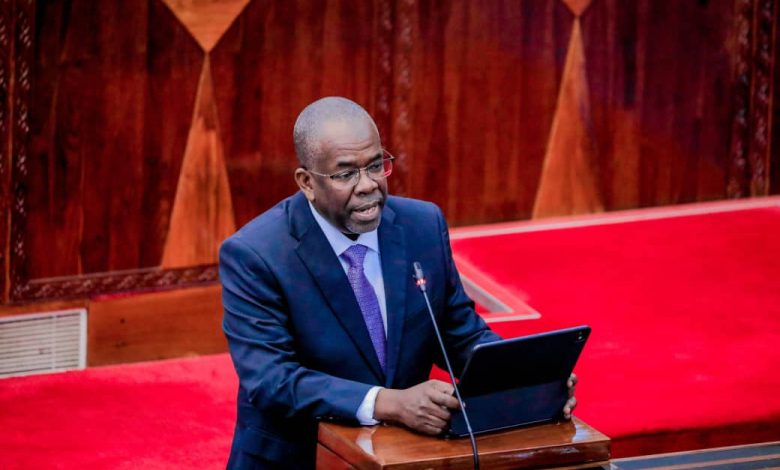
Presenting the 2026/27 National Budget in Parliament yesterday, Minister for Finance, Khamis Mussa Omar, said the measures are aimed at expanding domestic sources of health financing and reducing dependence on external support.
“The government proposes to increase sources of revenue for financing universal health insurance through amendments to various laws and regulations,” Ambassador Omar told lawmakers.
Under the proposals, amendments to the Excise Duty Act will increase excise duty on cigarettes by 20/- for every 1,000 cigarettes.
The government also plans to amend the Sugar Act and its regulations to introduce a levy of 10/- per kilogramme of locally produced and imported sugar.
“The levy will be collected by the Tanzania Sugar Board and remitted to the UHI Fund,” he said.
The minister noted that the measures form part of broader efforts to strengthen domestic financing for healthcare services and ensure the long-term sustainability of the health insurance scheme.
The budget also outlines measures to strengthen financing for water services and support local industries.
Among them is a proposal to increase import duty on bottled water from 35 per cent to 60 per cent for one year to shield domestic manufacturers from external competition.
“The aim of this measure is to protect local manufacturers of drinking water,” Ambassador Omar said.
In addition, the government is proposing amendments to the Rural Energy Act, Road and Fuel Tolls Act, Railways Act, Water Supply and Sanitation Act and Petroleum Act to revise the sharing of revenues collected through sector-specific funds.
ALSO READ: Govt unveils record Sh62.33trn budget, up 10.3pc, targets growth, jobs, infrastructure
Under the proposed arrangement, 70 per cent of revenues collected from designated sources will remain in the respective funds to finance sector activities, including water infrastructure and service delivery. Twenty-five per cent will be transferred to the Consolidated Fund, while five per cent will be deposited in a special account at the Bank of Tanzania to support infrastructure development in Export Processing Zones and Special Economic Zones, as well as compensation for land acquired for strategic investments.
Ambassador Omar said the changes will improve the effectiveness of the Road, Rural Energy, Water and Railway funds while strengthening their longterm financial sustainability.
On education, he said the government spent 1.58tri/- in 2025/26 on vocational training, youth skills development and education infrastructure. The funding also supported higher education loans for 284,487 students and fee-free education for more than 16.8 million learners.