Zanzibar targets 7.5pc economic growth in 2026

ZANZIBAR: ZANZIBAR is setting its sights on stronger economic growth in 2026, building on solid gains recorded in 2025, with a surge in tourism, improved domestic revenue and sustained infrastructure investments expected to drive the Isles’ economy forward.
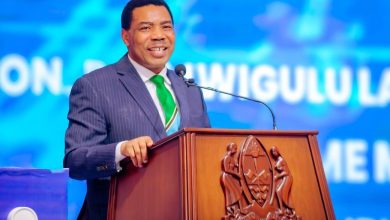
Presenting the Zanzibar Development Plan for the 2026/2027 financial year, Finance and Planning Minister Dr Juma Malik Akili said the economy is projected to grow by 7.5 per cent in 2026, up from 7.0 per cent in 2025, reflecting continued resilience and effective policy implementation.
Dr Akili said the positive outlook is firmly grounded in achievements recorded in 2025, when the economy expanded by 7.0 per cent, supported by strong performance across key sectors.
Tourism remained the backbone of the economy, with international arrivals rising sharply by 24.5 per cent to reach 917,167 visitors, up from 736,755 in 2024. The surge boosted activity across hospitality, transport, and service industries.
Domestic revenue collection also improved significantly, rising by 24.3 per cent to 1.6trl/-, compared to 1.29trl/- in the previous year, reflecting increased efficiency and economic expansion.
Investment activity continued to grow, with 136 projects worth 1.89trl/- registered in 2025, up from 131 projects in 2024, signalling rising investor confidence. Meanwhile, per capita income increased to $1,320, pointing to improving living standards.
However, the minister noted modest slowdowns in agriculture and industry, underscoring the importance of accelerating economic diversification.
The government also made notable progress in implementing the 2025/2026 development plan, particularly in infrastructure and public services.
Electricity access expanded significantly, with power extended to 63 villages across Unguja and Pemba and more than 38,800 new customers connected to the grid. Key system upgrades, including voltage regulators and grid stabilization, were completed to improve reliability.
These investments form part of broader reforms aimed at boosting productivity, improving service delivery and strengthening the investment climate.
Outlook and key targets for 2026 Looking ahead, Zanzibar’s growth in 2026 will be driven largely by tourism, with arrivals projected to increase by 9.3 per cent, surpassing one million visitors.
The government will also continue implementing major strategic projects, including road construction, development of Pemba Airport, the Government City and expansion of Mangapwani and Mpigaduri ports, alongside the Fumba Sports City and investments in social services.
To guide this growth, the government has set clear macroeconomic targets for 2026. These include: GDP growth of 7.5 per cent; Inflation maintained below 5 per cent; Domestic revenue rising to 41.4 per cent of GDP; Budget deficit kept below 3 per cent; Foreign reserves covering at least four months of imports; and Per capita income sustained above $1,449.
Dr Akili said the government is also prioritising private sector development and the blue economy to diversify income sources and reduce reliance on tourism.
ALSO READ: Zanzibar unveils 8.27tri/- growth plan
Zanzibar is further positioning itself to benefit from regional opportunities such as the Africa Cup of Nations 2027, expected to boost tourism and investment.
Despite the optimistic outlook, Dr Akili cautioned that global uncertainties, including geopolitical tensions and fluctuations in fuel and commodity prices, could affect growth.
He said the government will continue to implement measures to safeguard economic stability, including strengthening local production, improving food security systems and maintaining prudent monetary policies in collaboration with the Bank of Tanzania.
“With the progress already achieved and ongoing reforms, Zanzibar remains on a strong path toward sustainable and inclusive economic growth,” he said.