Singapore President applauds Tanzania’s PPP initiatives
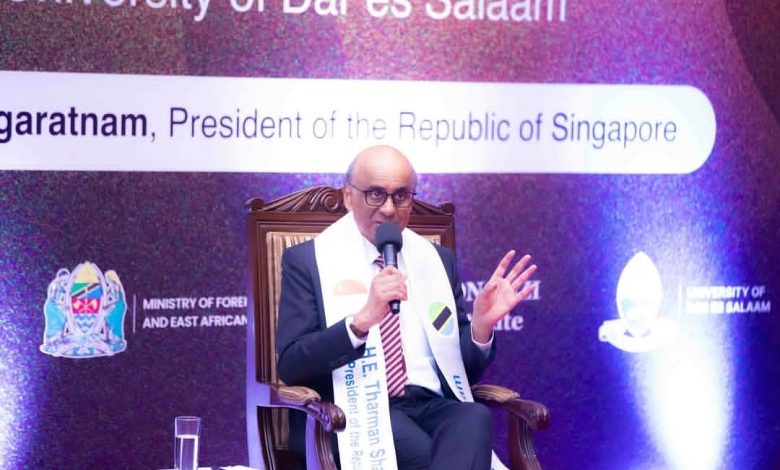
DAR ES SALAAM: THE visit of the President of Singapore, Tharman Shanmugaratnam at University of Dar es Salaam (UDSM), has sparked great enthusiasm among government officials, academics, investors, and the public at large.
This is because of Singapore’s remarkable transformation from a third-world nation with widespread poverty into a first-world country with a high standard of living.
According to IMF 2026 statistics, Singapore ranks as the fifth-highest country in the world in terms of per capita income, having reached approximately US$107,000 per person.
Although Singapore is not among the 21 countries whose economies have surpassed the US$1 trillion mark, its economy in 1995 was roughly comparable to that of Tanzania, standing at about US$87 billion.
Yesterday, more than 30 years later, Singapore’s economy has still not reached US$1 trillion, standing at approximately US$659 billion. This means that if Tanzania is to achieve a US$1 trillion economy by 2050, it must grow at a pace even faster than Singapore did during its own transformation.
This, perhaps, is the basis of President Samia Suluhu Hassan’s statement that achieving the goals of Vision 2050 requires not only change, but a fundamental transformation in the way we work and implement development strategies.
President Tharman Shanmugaratnam emphasized the importance of Public-Private Partnerships (PPP) and concluded by urging African governments to refrain from undertaking projects that can be more efficiently executed by the private sector. Doing so, he argued, would improve efficiency and allow governments to direct their limited resources toward developing high-quality human capital, which is the most valuable currency in today’s world.
Ultimately, the quality of a nation’s people determines whether it becomes a leader or a follower. Human capital is what separates countries at the forefront of global development from those left behind.