Innovation, skills training redefine DIT Mwanza’s future direction
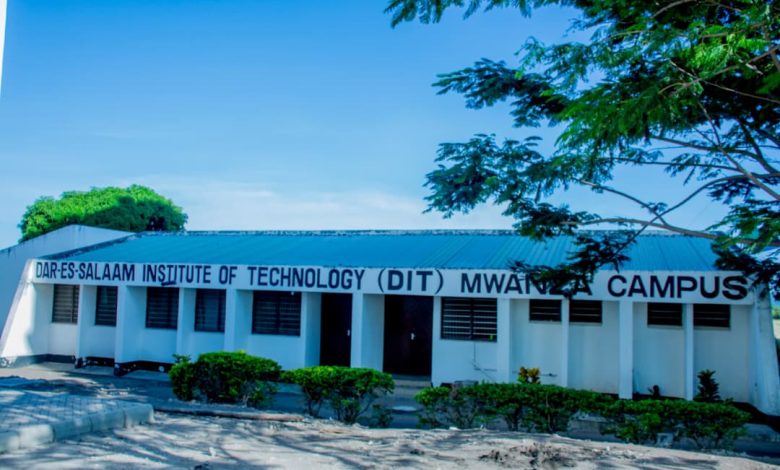
MWANZA: THE 38bn/- Eastern Africa Skills for Transformation and Regional Integration project (EASTRIP) officially took off around 2020 at the Dar es Salaam Institute of Technology (DIT) Mwanza Campus, with a strategic goal of transforming the institution into a centre of excellence in leather and allied technologies.
The project, which is expected to be fully completed by the end of this year, is part of a broader regional initiative funded through the World Bank and implemented in Tanzania alongside Kenya and Ethiopia. Its primary aim is to strengthen technical and vocational education and training (TVET), while also establishing specialized centres of excellence in priority industrial sectors.
In Tanzania, EASTRIP is being implemented at both the DIT Main Campus and the Mwanza Campus. While the main campus focuses on Information and Communications Technology (ICT), the Mwanza Campus has been designated as a centre for leather technology and industrial innovation.
Infrastructure development under EASTRIP
Since its inception, EASTRIP has significantly transformed the physical and academic infrastructure of the DIT Mwanza Campus.
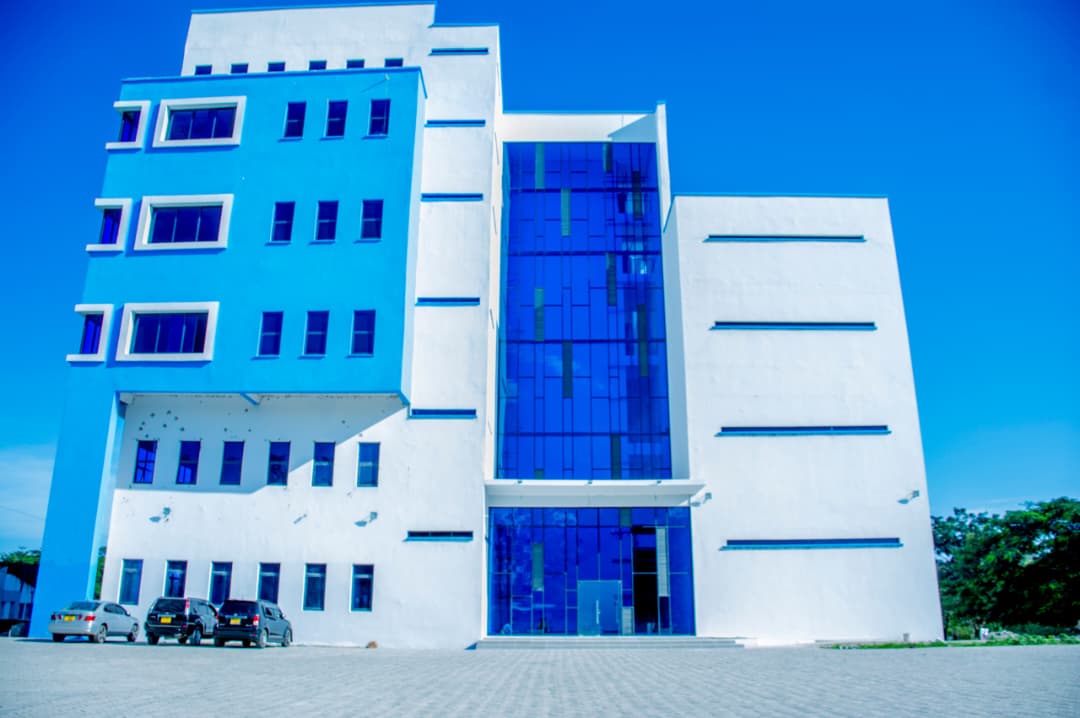
The project has enabled the construction of a modern teaching block with the capacity to accommodate 600 students at a time, an academic block designed to host up to 2,000 people, and two student hostels, each capable of housing 144 students.
In addition, a fully equipped leather processing facility has been constructed and is already operational as a teaching factory. This facility plays a central role in practical training, research, and innovation, bridging the gap between classroom learning and real industrial production.
The teaching factory model allows students and graduates to gain hands-on experience in real production environments, enhancing their technical competencies while also encouraging entrepreneurship and selfemployment.
A growing hub for leather innovation
As EASTRIP nears completion, the DIT Mwanza Campus is already beginning to demonstrate its impact. The campus is emerging as a hub for leather product development in the Lake Zone, with increasing emphasis on innovation, skills development, and youth entrepreneurship.
The presence of modern equipment and a functional teaching factory has significantly boosted creativity among students and graduates. The facility not only supports academic learning but also serves as an incubation centre for young innovators within and outside the institution.
According to campus officials, this environment is intentionally designed to encourage students to develop practical solutions and commercial products that can contribute to the local and national economy.
Student innovation: Sandal Versa Step
One of the most notable innovations emerging from the campus is the “Sandal Versa Step,” developed by 2025 diploma graduate Arnold Kimaro. The product is a multipurpose footwear design that reflects both creativity and practical problem-solving. The sandal is designed using Velcro-based components that allow users to change shoe strips of different colours and designs while maintaining the same sole. The system places Velcro beneath the sock liner, enabling strips to be attached and detached easily for customization.
The sole is also covered with soft Velcro to secure the sock liner, ensuring stability during use. According to Kimaro, the design targets both men and women, although it is particularly appealing to women due to their frequent interest in fashion variations. He explained that the innovation is also cost-effective, as it eliminates the need to own multiple pairs of sandals.
Instead, users can simply change strips depending on fashion preferences or occasions. However, the product is currently undergoing testing to assess durability. Early results indicate that the Velcro components may require replacement after approximately six months due to wear caused by repeated opening and closing.
ALSO READ: Farmers gain, challenges persist in system
The sole itself, however, is expected to last for several years. Kimaro expressed confidence that once regulatory approval is obtained, including certification from the Tanzania Bureau of Standards (TBS), the product will enter the market. Working with a team of about 30 colleagues in production, he estimates the capacity to produce at least 100 pairs of sandals per day once fully operational.
His long-term goal is to establish his own company, create employment opportunities for fellow youth, and expand production capacity with initial capital of around 10 million/-. He credits the EASTRIP programme for equipping him with both technical and entrepreneurial skills, including company management and machine operation within the teaching factory environment.
“I believe I can now stand independently,” he noted, emphasizing the role of the campus in building self-reliant graduates. Kimaro also highlighted the importance of strengthening livestock farming practices to ensure a steady supply of high-quality hides and skins for the leather industry.
He noted that proper animal care directly influences the quality of leather produced. He further emphasized the need for proper animal identification systems, suggesting that marking should be done on ears rather than skin, as bruises and marks on hides reduce final product quality.
Another innovation: ecofriendly shoe polish
Another promising innovation comes from Neema Katemi, a Bachelor of Laboratory Technology student at the campus. She has developed a shoe polish product inspired by her long-term interest in sustainable chemistry and locally available raw materials. Her research led her to sheep wool, which is often discarded as waste. She discovered that when boiled, sheep wool produces lanolin oil, a key ingredient used in shoe polish production.
She combines this oil with beeswax and other natural ingredients, including incense, to create a thick, durable polish. According to Katemi, the product has demonstrated resistance to dust and water, making it suitable for commercial use. She has also shared her innovation with fellow students as part of knowledge dissemination within the campus innovation ecosystem.
If approved by relevant authorities, she estimates production capacity of up to 50 litres per day, equivalent to 500 packages of 100 millilitres each. Katemi expressed pride in transforming what was previously considered waste into a valuable product.
She noted that her innovation contributes to environmental conservation by reusing sheep wool that would otherwise be discarded. She called for stakeholder support to scale up production and ensure availability of raw materials, especially in the Lake Zone where livestock farming is prevalent.
“I turn sheep waste into opportunity,” she said, emphasizing her vision for sustainable industrial production.
Institutional transformation and EASTRIP impact
Campus Director Dr John Msumba noted that the modern teaching factory has significantly enhanced youth incubation, promoting both self-employment and the production of locally made goods.
He recalled that when the campus was established in 2010 on the premises of the former Tanzania Leather Institute, most infrastructure was dilapidated, making practical training difficult. The transformation began in 2018 when the Government of Tanzania secured World Bank funding for EASTRIP implementation. He explained that the programme aims to strengthen TVET systems and establish regional centres of excellence across participating countries.
At DIT Mwanza, EASTRIP has enabled the introduction of new academic programmes, including a Bachelor’s degree in Leather Processing Technology scheduled for the upcoming academic year. The campus currently has the capacity to accommodate up to 2,000 students at a time and is also planning to introduce virtual PhD programmes in the near future.
These will be linked with the main campus, which has developed a strong ICT centre of excellence to support digital learning. Dr Msumba emphasized that EASTRIP has transformed the campus digitally, academically, and industrially.
The institution now benefits from improved infrastructure, modern equipment, and internationally recognized standards, including certification from the International Organization for Standardization (ISO).
National and regional significance
The EASTRIP initiative represents a broader vision of industrial transformation across East Africa.
By strengthening technical education and linking it directly to industrial production, the programme is helping to bridge the gap between education and employment. In Tanzania, the focus on leather technology at DIT Mwanza is positioning the Lake Zone as a potential hub for leather production, innovation, and value addition.
The combination of skilled graduates, modern infrastructure, and teaching factories is expected to boost local manufacturing capacity and promote youth employment. The EASTRIP project at DIT Mwanza Campus is not only transforming infrastructure but also reshaping mindsets.
Through innovation, skills development, and entrepreneurship, students are becoming active contributors to industrial development. From customizable sandals to eco-friendly shoe polish, student-led innovations reflect a growing culture of creativity and problem-solving.
With continued investment and stakeholder support, the campus is poised to become a leading centre for leather technology in the region, driving both economic growth and sustainable industrial development.