Mobile clinics save rural women from silent cancer deaths
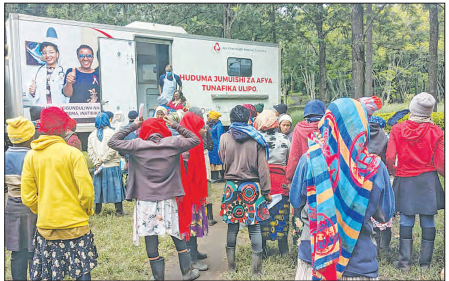
ARUSHA: RESIDENTS in remote areas of Arusha District Council are increasingly benefitting from mobile health clinic services offering breast and cervical cancer screening, a life-saving intervention that is helping women detect diseases at an early stage and access timely treatment before conditions become severe, costly, or fatal.
The initiative is implemented under the East Africa Women’s Cancer Project, a regional programme funded by the French Development Agency, the Bill & Melinda Gates Foundation, and the Aga Khan Development Network through the Aga Khan Foundation, in collaboration with government health professionals.
The project is designed to strengthen cancer prevention, early detection, and treatment services, while also supporting the rollout of Human Papilloma Virus (HPV) vaccination for girls aged between 9 and 14 years across East African countries. The mobile clinics are part of a broader effort to bridge gaps in healthcare access, particularly in rural and hard-to-reach areas where distance, cost and limited awareness often prevent women from seeking preventive screening services.
By bringing health services directly to communities, the programme reduces barriers and encourages more women to take proactive steps toward managing their health. During a recent outreach campaign conducted across various parts of Arusha District Council, more than 2,519 women received breast cancer screening services, while 329 women underwent cervical cancer screening through mobile clinics stationed at markets and secondary schools.
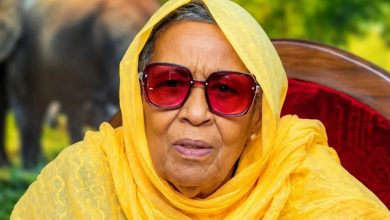
These locations were strategically selected to reach women during their daily routines, particularly those who may not otherwise visit health facilities unless they are unwell. According to the East Africa Women’s Cancer Project Coordinator, Dr Sarah Maongezi, the initial target of the campaign was to reach 2,200 women. However, the turnout exceeded expectations due to strong community engagement and acceptance of the services.
“We successfully reached 2,519 women through mobile clinics that visited several markets and secondary schools within Arusha District Council,” Dr Maongezi said, noting that the response demonstrated growing awareness and trust in preventive healthcare services.
She further explained that screening results revealed important health findings that underline the need for continued outreach. More than 15 women were found to have breast abnormalities, with two referred to the Mount Meru Regional Referral Hospital and the Kilimanjaro Christian Medical Centre (KCMC) for further diagnostic evaluation and specialist care.
In addition, five women were diagnosed with cervical abnormalities and treated through the mobile clinics, while three others were suspected of having cervical cancer and referred to government hospitals for further medical management. These referrals highlight the critical role of early screening in identifying cases before they progress to advanced and more difficult-totreat stages.
Dr Maongezi emphasised that despite progress, there is still a significant need for continued public education on cancer prevention and early detection. She stressed that cancers such as breast and cervical cancer are highly treatable when identified early, but often become lifethreatening when diagnosis is delayed.
She also addressed misconceptions surrounding mobile clinic services in some communities. In certain areas, residents reportedly believed that women screened inside mobile clinic vehicles might lose consciousness after the procedure. Dr Maongezi dismissed these claims as unfounded misinformation that continues to hinder uptake of essential health services.
To build trust and awareness, she acknowledged the support of the Arusha Regional Administration, healthcare workers, and secondary school teachers, all of whom played a key role in mobilising communities and facilitating screening activities. Their involvement helped improve participation and ensured that accurate health information reached both adults and young people.
“We are continuing to empower students to become ambassadors who can educate their peers and communities about cancer symptoms and the importance of early screening,” she added.
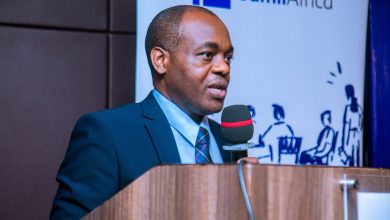
This peer-education approach is intended to create a ripple effect, where informed students share knowledge with families and contribute to longterm behavioural change. Meanwhile, Butero Bujiku, a nurse and Coordinator of Maternal and Child Health Services in Arusha District Council, said the campaign was conducted from May 4 to 8 with the objective of encouraging women aged 25 years and above to adopt regular health screening habits as part of routine preventive care.
He explained that health teams visited several locations, including Bangata, Oljoro, Musa, Oldonyosambu, Sambasha, Ngaramtoni Market, and secondary schools such as Bangata, Nduruma, Ortumet, and Ilkiding’a.
ALSO READ: Tanzania targets $400m export losses through innovation
These outreach points were selected to ensure broad geographical coverage and to reach both rural and semiurban populations. Bujiku also noted ongoing efforts to strengthen the capacity of community health providers within the district. Out of 70 health facilities in Arusha District Council, 41 are already offering breast and cervical cancer screening services, a development that significantly improves access to early diagnosis and preventive care.
By expanding service delivery points, the health system aims to ensure sustainability beyond mobile outreach campaigns, allowing women to access screening services closer to their homes throughout the year. Beneficiaries of the programme have expressed appreciation for the services, noting that the education provided during the campaign helped reduce fear and misconceptions associated with cancer screening.
One beneficiary, Neema Mollel, said the initiative had helped many women understand the importance of undergoing medical examinations before symptoms appear. She noted that fear had previously discouraged many from seeking screening services, but awareness sessions had changed perceptions.
“Many women fear cancer screening, but through this education we have learned that early detection makes treatment easier and reduces the high costs associated with advanced disease,” she said.
Similarly, Lukumay Mollel, Chairperson of Bang’ata SubVillage in Ilkiding’a, observed that mobile clinics had significantly improved awareness among rural residents, many of whom spend most of their time on farms and rarely visit health facilities for preventive checkups.
He added that although health facilities exist within reach, many residents still lack a strong culture of regular health screening, often seeking medical attention only when illness becomes severe. This reactive approach, he noted, increases both health risks and financial burdens on families.