

Tanzania’s dairy farming gains formal markets as it supports 1.3 million households
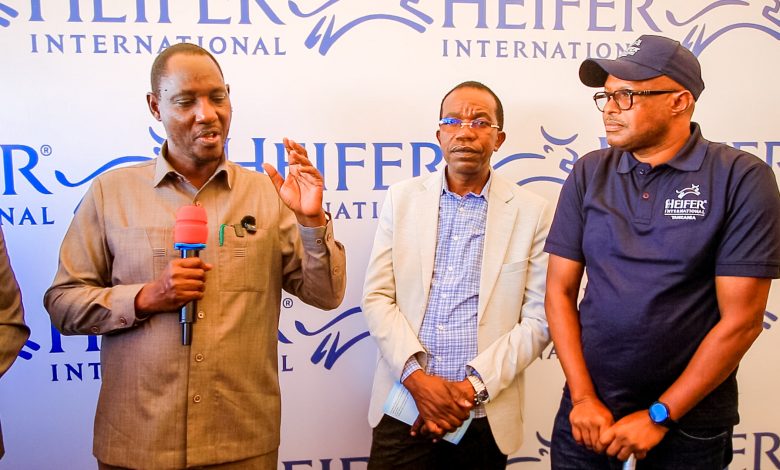
IRINGA: More smallholder dairy farmers in Tanzania are gaining access to formal markets, improved milk handling infrastructure, and better dairy services as partnerships across the sector continue to expand ahead of the National Milk Week climax 2026.
For years, many dairy farmers struggled with unreliable markets, low productivity, weak farmer organizations, and limited access to cooling facilities, quality breeding services, feed, and animal healthcare—challenges that often led to milk losses and low returns.
But sector stakeholders say investments in infrastructure, farmer training, and market systems are beginning to change the outlook for smallholder producers.
This year’s National Milk Week is being held under the theme “Formalizing the Dairy Sector to Safeguard Consumers, Increase Incomes, and Drive Economic Growth.”
Through partnerships involving government institutions, financial institutions, processors, cooperatives, and development organizations, more farmers are now supplying milk through formal channels while accessing stronger market linkages and business opportunities.
Among the organizations supporting the sector’s growth is Heifer International Tanzania, which has worked in the country for more than 50 years through programmes focused on agriculture and livestock development.
Through its partnerships, more than 1.3 million households have been reached with support in improved farming practices, climate-smart agriculture, nutrition, and agribusiness development. In the dairy sector, more than 160 cooperatives and farmer organizations have been strengthened to improve collective marketing, farmer coordination, and access to services.
Investments in milk collection and cooling infrastructure have also expanded in several dairy-producing regions. Across different initiatives, including the Tanzania Inclusive Processor–Producer Partnerships in Dairy (TI3P) Project, stakeholders have supported the establishment and strengthening of 41 milk collection centres with a combined capacity of 108,000 litres per day.
Additional investments in cooling systems, milk transportation, and storage infrastructure are helping reduce post-harvest losses, improve milk quality, and increase the volume of milk entering the formal processing system.
The TI3P Project, led by Tanzania Agricultural Development Bank in collaboration with the Ministry of Livestock and Fisheries and implemented with partners including Heifer International, Land O’Lakes Venture37, and TANAGER, is supporting dairy production, farmer training, and market access across the Lake Zone, Zanzibar, and the Southern Highlands.
More than 1,200 community-based extension service providers have also been trained to improve livestock advisory and animal health services for rural dairy farmers.
Stakeholders say women and young people are increasingly participating in dairy and agribusiness as access to training, financing, technology, and market opportunities improves.
Beyond dairy sector investments, programmes such as TRANSFORM and the AYuTe Africa Challenge are supporting youth participation, innovation, and entrepreneurship in agriculture.
TRANSFORM, one of Heifer International Tanzania’s flagship programmes, aims to reach 400,000 smallholder farmers by 2030, with a focus on women and youth. The programme supports farmers to improve productivity, access innovation and technology, connect to financing, and secure more reliable markets for their products.
Speaking ahead of the celebrations, Mark Tsoxo said continued collaboration across the dairy value chain will be important in supporting national agricultural growth and improving opportunities for farmers.
“The progress being seen in Tanzania’s dairy sector shows the importance of long-term partnerships and investment across the value chain. As more farmers gain access to formal markets, infrastructure, technology, and business support services, the sector is creating stronger economic opportunities for rural communities, especially women and young people,” Tsoxo said.
He added that continued investment in dairy systems, farmer organizations, and market infrastructure will be important in supporting food security, job creation, and the country’s broader agricultural transformation agenda.
Speaking during the National Milk Week exhibition, the Minister for Livestock and Fisheries, Dr Bashiru Ally, commended Heifer International for its significant contribution to the development of Tanzania’s dairy sector. He noted that the organization has demonstrated a strong understanding of the dairy industry through its continued efforts to improve milk production, market access, and the livelihoods of dairy farmers.
Dr Bashiru also encouraged Heifer International to continue highlighting and supporting the growth of the dairy sector in key milk-producing regions such as Njombe, Tanga, and other parts of the country, with the aim of increasing productivity, improving farmers’ incomes, and strengthening the sector’s contribution to Tanzania’s economic development.




References:
Legiano Casino Willkommensbonus
References:
Hitnspin casino live spiele http://listserv.uconn.edu/
References:
Hitnspin casino anmeldung scienceplus.abes.fr
References:
Hit n spin casino bonus http://www.proplay.ru
References:
Hitnspin casino gewinne http://m.t.napoto.cafe24.com/
References:
Hitnspin casino registrierung https://blackmod.net
References:
Hitnspin casino app iphone https://metager.de
References:
Lollybet Deutschland http://clients1.google.kz/url?q=https://wiki.computacaonaescola.ufsc.br/api.php?action=https://lollybet.com.de/
References:
Lollybet Casino Bonusbedingungen http://image.google.com.af/url?q=https://www.atmasangeet.com/jeannine665047
References:
Lollybet Casino Neukundenbonus encyclopedia2.thefreedictionary.com
References:
Lollybet Casino Gutscheincode http://images.google.be/
References:
Lollybet Live Casino toolbarqueries.google.ge
References:
Lollybet Bewertung http://81.pexeburay.com/
References:
Pokies net australia payid withdrawal singuratate.ro
References:
Online pokies australia payid real money mginger.org
References:
New payid pokies telugustatusvideo.com
References:
Payid pokies instant withdrawal https://gitea.cfpoccitan.org/deea5639007851
References:
No deposit bonus africa.careers
References:
3 rivers casino https://rentry.co
References:
Lollybet Casino Bitcoin https://postjung.com/paycc/paypal-cancel.php?go=https://www.cbl.health/employer/lollybet-boni-30-freispiele-225-willkommensangebot/
References:
Lollybet Deutschland https://tiwar.ru/?channelId=298&partnerUrl=jobteck.com.sg/companies/wm-2026-sechzehntelfinale-quoten-teams-favoriten/
References:
Lollybet No Deposit Bonus https://www.qannat.com/yltgenia296555
References:
Payid withdrawal pokies de.thefreedictionary.com
References:
Best instant payid pokies australia real money https://ics.filanco.ru/openx/www/delivery/ck.php?ct=1&oaparams=2__bannerid=416__zoneid=52__cb=7b57901da0__oadest=https://instantcasinodeutschland.de/fr-fr/
References:
Online payid pokies http://pediatriajournal.ru
References:
Candy96 Casino loyalty https://jobs-max.com/employer/candy96-casino-australia-pokies-bonus-deals-fast-withdrawals