TANESCO replaces aging power infrastructure, MPs told
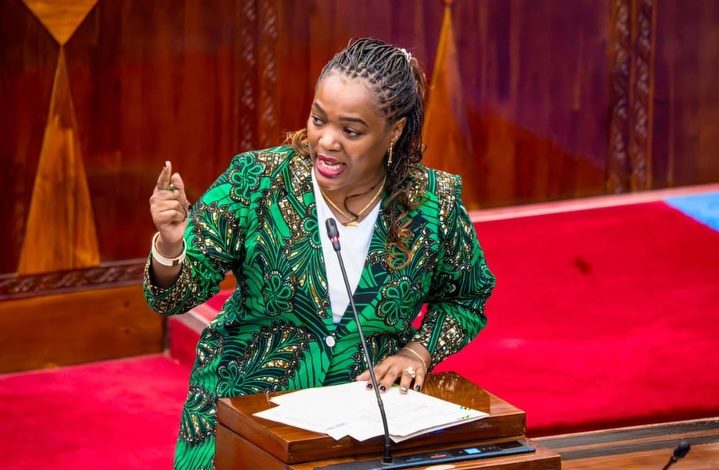
DODOMA: THE government has started replacing aging electricity poles with stronger concrete and steel structures in an effort to reduce recurring power disruptions caused by collapsing poles in several parts of the country.
Deputy Minister for Energy, Salome Makamba said the measures are aimed at addressing electricity interruptions linked to weak infrastructure, heavy rains and unstable soil conditions.
Speaking in the National Assembly while responding to a basic question from Sara Ally (Mvomero -CCM), Ms Makamba said the Tanzania Electric Supply Company (TANESCO) had already identified the main causes behind the frequent collapse of electricity poles in Mgeta Division.
She said the utility company is reinforcing weak foundations in areas with soft soil while replacing deteriorating wooden poles with more durable concrete and steel alternatives.
ALSO READ: TANESCO resorts to UAV technology in inspecting, monitoring electricity transmission
“In addressing this challenge, TANESCO continues to replace outdated poles with stronger ones, including concrete and steel poles, while also strengthening foundations in areas with soft soil,” she said.
Ms Makamba added that routine inspections of electricity infrastructure are also being carried out to identify faults early and prevent major power disruptions.
Responding to a supplementary question from Boniphace Getere (Bunda Rural -CCM), the deputy minister said electricity coverage in Bunda Constituency has already reached 86.4 per cent of sub-villages.
She said the remaining 169 sub-villages in wards including Ketare, Mihingo, Nyamang’uta, Mugeta, Salama, Hunyari, Mnyago and Nyamuswa will be connected under Phase II(B) of the Rural Electrification Programme being implemented by the Rural Energy Agency.
According to Ms Makamba, the programme began in January and is expected to be completed in 2029. She said the Rural Energy Agency (REA) has already completed surveying and detailed design works has started, procuring materials for construction of electricity infrastructure in the remaining areas.