Direct port-to-rail cargo system game changer for Tanzania
DAR ES SALAAM: NEXT Monday, on the 1st of June, Tanzania will cross a historic threshold in its journey to become East and Central Africa’s ultimate logistics hub as cargo movement from the Port of Dar es Salaam through the Standard Gauge Railway (SGR) will be launched.
The launch represents a decisive shift in Tanzania’s economic transformation agenda and a bold statement about the country’s determination to modernise trade, reduce costs and strengthen its position as the leading logistics gateway of the region.
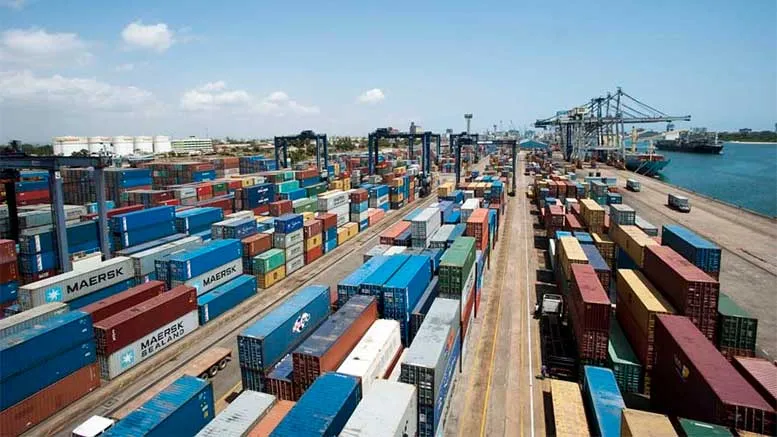
For years, cargo destined for the SGR had to be transported first to the Pugu Inland Container Depot before being loaded onto freight trains. The process increased handling costs, caused delays and reduced efficiency in the movement of goods to inland destinations. The new arrangement eliminates that costly double-handling system.
Containers will now move directly from the port onto SGR freight trains, reducing transit time and streamlining cargo operations at the country’s busiest gateway. The immediate benefits are significant. Faster cargo movement will ease congestion at the Port of Dar es Salaam, improve turnaround time for ships and reduce logistics costs for traders.
This efficiency is critical for maintaining confidence among importers and exporters. Lower transport costs will also benefit businesses and consumers. Reduced delays and operational expenses can help stabilise prices while improving the competitiveness of Tanzanian goods in regional and international markets.
The impact extends beyond Tanzania. Neighbouring countries such as Rwanda, Burundi, Uganda, Zambia and the Democratic Republic of the Congo rely heavily on the Port of Dar es Salaam for trade. A more efficient rail-linked port strengthens Tanzania’s role as a preferred regional trade corridor.
At a time when regional competition for transit cargo is intensifying, efficiency has become a decisive factor. Traders naturally prefer routes that save both time and money. The direct SGR-port connection therefore gives Tanzania an important strategic advantage. In the medium term, industries that depend on efficient transport, including manufacturing, agriculture and mining, are expected to benefit from improved logistics.
Inland commercial centres and dry ports connected by the SGR could also experience faster economic growth and investment. The initiative also carries important environmental and infrastructure benefits. Moving more cargo by rail instead of road reduces pressure on highways, lowers maintenance costs and helps minimise congestion caused by heavy trucks.
The success of this initiative will ultimately depend on reliability, strong management and continued investment in supporting infrastructure. If properly managed, the direct linkage between the Port of Dar es Salaam and the SGR could become one of the strongest pillars of Tanzania’s long-term economic growth and regional trade leadership. It will position the nation as a leading logistics powerhouse in Africa.