Maasai cultural tourism: Discovering Tanzania’s living heritage
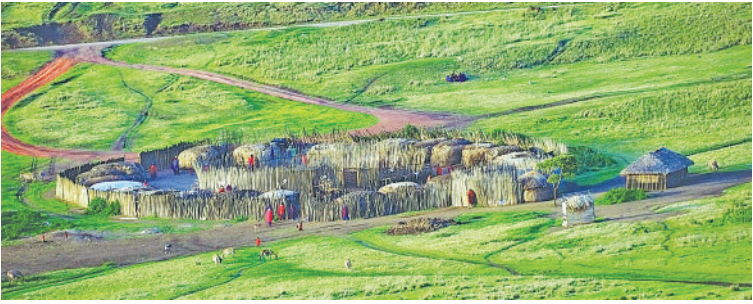
NESTLED within the breathtaking landscapes of northern Tanzania, the Maasai communities offer visitors a unique opportunity to experience one of Africa’s most fascinating and well-preserved cultures. Known for their colourful attire, rich traditions, and deep connection with nature, the Maasai people continue to preserve a way of life that has been passed from generation to generation.
For travellers seeking more than wildlife safaris and scenic landscapes, Maasai cultural tourism presents a chance to step into a world where traditions, customs, and community life remain at the heart of everyday living.
A Journey Through History
The Maasai are among East Africa’s most recognised ethnic communities and have lived for centuries across parts of Tanzania and Kenya. Traditionally, they are pastoralists, depending heavily on cattle, which play an important role in their culture, economy, and social identity. Over time, the Maasai have managed to preserve many of their customs despite the modernisation taking place around them. Today, visitors can learn about their heritage through cultural tourism programs designed to promote both cultural preservation and local economic development.
Getting There
Many Maasai cultural tourism experiences can be accessed from popular tourist destinations including:
• Arusha
• Ngorongoro area
• Lake Manyara surroundings
• Serengeti route villages Visitors can travel by road through organised tour companies or local cultural tourism programs.
Cultural Experiences & Attractions
Traditional Maasai Villages (Bomas) One of the main attractions is visiting traditional Maasai villages known as Bomas. These villages are built using local materials including mud, sticks, and grass. Visitors can observe how homes are constructed and understand the communal lifestyle practiced by Maasai families.
Traditional Dances and Songs
The Maasai are famous for energetic traditional dances, especially the jumping dance commonly performed by warriors. Songs and dances are used during celebrations, ceremonies, and important community events.
Traditional Clothing and Beadwork
The brightly coloured Shuka cloth and handmade bead jewellery are among the most recognisable symbols of Maasai culture. Visitors can see how women create detailed beadwork designs that carry cultural meanings.
Cattle Herding Experience
Cattle remain central to Maasai life. Visitors may witness traditional herding practices and learn how livestock influences social and economic life within the community.
Traditional Food Experience
Travelers may also get an opportunity to taste local food and understand traditional preparation methods that have been practiced for generations.
Activities for Every Traveler Cultural Tours
Guided village walks allow visitors to interact directly with local people and learn about Maasai customs and traditions.
Photography
The colourful clothing, landscapes, and traditional architecture provide excellent opportunities for photography.
Handcraft Shopping
Visitors can purchase locally made beadwork, bracelets, necklaces, and handmade souvenirs that support local communities.
Storytelling Sessions
Community elders often share stories about Maasai history, beliefs, and traditions.
A Journey Worth Taking
Experiencing Maasai culture is more than simply visiting a destination—it is a journey into one of Tanzania’s richest living traditions.
Whether listening to traditional songs, exploring village life, or witnessing the vibrant cultural expressions of the Maasai people, visitors leave with memories and experiences that extend far beyond ordinary travel.