

Meet the African slender-snouted crocodile of Lake Tanganyika
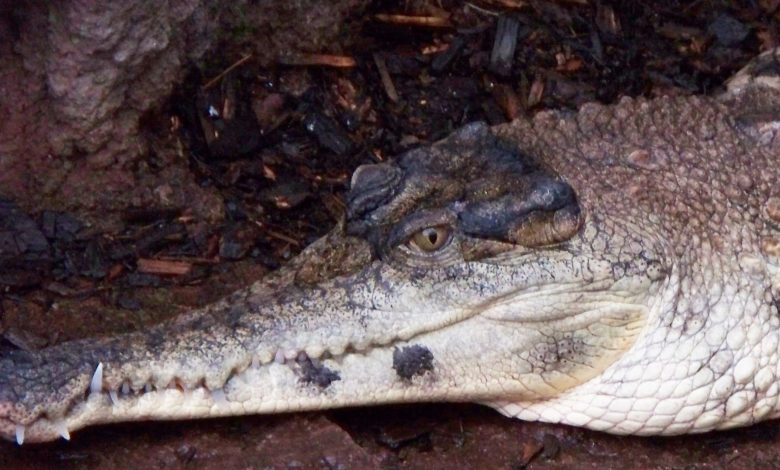
LAKE Tanganyika, unlike Lake Victoria, harbours two species of crocodiles: the Nile crocodile and the lesserknown African slender-snouted crocodile. The African slendersnouted crocodile possesses a long, narrow snout specially adapted for catching fish and small aquatic invertebrates.
The Nile crocodile is the dominant crocodilian species around Lake Tanganyika and its wetlands, while the African slender-snouted crocodile is mostly found along the lake’s eastern shores. Zoologists note that the slender-snouted crocodile prefers forested rivers, swampy wetlands, and heavily vegetated waters.
Reports therefore indicate that this species is more common in delta wetlands and sheltered vegetated zones around the lake. Scientists explain that Nile crocodiles do not favour deep, open, cold water. Lake Tanganyika reaches depths of about 1,470 metres, and below 100 metres the water becomes extremely cold and nearly devoid of oxygen.
As ectotherms, Nile crocodiles rely on warm, shallow water to regulate their body temperature. They generally require waters less than 30 metres deep for efficient hunting, basking, and nesting.
The lake’s vast deep-water environment is therefore unsuitable for them. Zoologists explain that crocodiles bask because they are ectothermic animals, meaning they cannot internally generate body heat like mammals and birds. Instead, they depend on external heat sources such as sunlight. Crocodiles must raise their body temperature to roughly 28–33°C for digestion, metabolism, and immune function to operate efficiently.
Their dark skin absorbs solar heat rapidly, allowing them to warm up quickly while basking. After consuming a large meal often fish or large mammals crocodiles bask to accelerate digestion. Their digestive system functions very slowly at low temperatures, and insufficient basking can lead to illness or even death.
Ultraviolet radiation from sunlight also helps reduce parasites and bacteria on their skin while supporting vitamin D synthesis necessary for calcium metabolism. Rather than expending energy to maintain body heat, crocodiles simply use environmental heat.
This is why they are often seen resting with their mouths open, a behaviour known as “gaping.” Gaping acts like a cooling system, helping them release excess heat when they become too warm. Crocodiles usually bask during the cooler parts of the day and retreat to shade or water during midday to avoid overheating.
This dependence on external heat exists because crocodiles lack the internal heat-generating systems found in mammals and birds. Mammals and birds are endotherms with very high metabolic rates. Their cells constantly burn fuel, producing heat even while resting, which allows them to maintain stable body temperatures around 37°C. Crocodiles, by contrast, have metabolic rates estimated to be ten to twenty times lower than those of mammals of similar size.
As a result, they produce very little internal heat. They also lack brown fat and shivering thermogenesis the specialised systems mammals and birds use to generate warmth. Although muscular activity during swimming or hunting produces some heat, it is insufficient to warm the entire body. Scientists further explain that large reptiles benefit from “gigantothermy,” meaning their large bodies lose heat slowly.
A large crocodile can therefore remain warm for a long time after basking, but it still cannot generate body heat independently like mammals and birds. Because of these biological limitations, Nile crocodiles prefer shallow rivers, swamps, floodplains, and muddy lake edges where they can bask, hunt, and nest effectively. They are especially adapted to murky waters where they can ambush prey. Lake Tanganyika, however, is dominated by deep, clear water and rocky shorelines with relatively few shallow muddy bays.
Such conditions are more suitable for fish particularly the lake’s famous endemic cichlids than for large crocodiles. Zoologists note that Nile crocodiles are ambush predators that hunt mainly near shorelines, targeting mammals, birds, reptiles and fish in shallow waters. They are not adapted for pursuing fastmoving pelagic fish in deep open water. Consequently, they remain concentrated in river deltas and wetlands where fish and terrestrial animals frequently gather to drink.
The open waters of Lake Tanganyika are also inhabited by large populations of hippos and smaller, more secretive crocodilians such as the African slender-snouted crocodile. Studies suggest that Nile crocodiles avoid habitats where basking sites are limited or where they cannot dominate ecologically.
For this reason, they are largely confined to warm, shallow, vegetated margins of the lake rather than the deep open waters. Nile crocodiles do not completely avoid Lake Tanganyika itself; they are present in wetlands, bays, and river deltas surrounding the lake.
ALSO READ: Govt seeks to ease fuel price pressure
They are particularly associated with the Ruzizi Delta, Malagarasi Delta, and the lake’s northern shorelines. The African slendersnouted crocodile, meanwhile, occupies dense swamps, lagoons, and heavily vegetated channels where it remains difficult to observe.
Researchers believe this species originated in western and central African river systems before expanding into suitable habitats around Lake Tanganyika. Compared with the Nile crocodile, it is far shyer, more secretive, and tends to avoid open water and human activity. Adult slender-snouted crocodiles feed primarily on fish but will also consume turtles, birds, aquatic snakes, crustaceans, frogs, and occasionally small mammals. Their narrow snouts are highly specialised for catching slippery aquatic prey.
Unlike Nile crocodiles, they rarely display aggression toward humans and are seldom involved in attacks. The two species differ significantly in both morphology and behaviour. Nile crocodiles possess broad, powerful V-shaped snouts designed for gripping and crushing large prey with immense bite force. African slender-snouted crocodiles have long, delicate snouts filled with sharp teeth adapted for rapidly snapping at fish.
Their jaw muscles are comparatively weaker, limiting their ability to subdue large mammals. Nile crocodiles typically grow between three and five metres in length and can weigh up to 900 kilogrammes.
African slendersnouted crocodiles are considerably smaller, generally measuring two to three metres and weighing up to about 300 kilogrammes. These differences help explain why Nile crocodiles are highly territorial, opportunistic predators responsible for many fatal attacks on humans across Africa, whereas slender-snouted crocodiles are shy and almost never attack people.
Diet also reflects this contrast. Nile crocodiles are generalist predators capable of consuming fish, birds, reptiles, and large mammals such as zebras and wildebeest. African slender-snouted crocodiles are primarily piscivorous, with fish making up more than 80 per cent of their diet, supplemented by frogs, crustaceans, and small vertebrates.
From an evolutionary perspective, zoologists describe the African slendersnouted crocodile as a more basal crocodilian lineage. In evolutionary biology, “basal” refers to an early-diverging branch on the evolutionary tree. Genetic studies indicate that the African slendersnouted crocodile split from other crocodilian lineages around six to seven million years ago, likely during periods of tectonic and environmental change associated with the formation of the Cameroon Volcanic Line and the reorganisation of African river systems.
The Nile crocodile belongs to a lineage that later radiated widely across Africa and beyond. Genetic evidence suggests that its ancestors spread throughout sub-Saharan Africa approximately fifteen to ten million years ago, evolving broad snouts and robust bodies suited for capturing large prey.
This adaptable, generalist strategy allowed Nile crocodiles to colonise rivers, swamps, lakes, and floodplains across much of the continent. In Lake Tanganyika, the Nile crocodile and African slender-snouted crocodile coexist by dividing habitat and food resources.
They rarely overlap extensively. Nile crocodiles dominate open delta channels, shallow bays, and exposed lake edges where larger prey is available. African slender-snouted crocodiles occupy densely vegetated swamps, lagoons, and forested waterways where they specialise in fish and smaller aquatic prey. This ecological separation reduces direct competition between the two species.
Nile crocodiles dominate the open-water and large-prey niche, while African slendersnouted crocodiles occupy the sheltered swamp and fishfeeding niche. Although primarily fisheaters, slender-snouted crocodiles may still feed opportunistically on larger prey when suitable opportunities arise. Email: rstanslaus@yahoo.com


References:
Legiano Casino Jackpot http://ruslog.com
References:
Monro Casino Live Dealer forums-archive.eveonline.com
References:
Hitnspin casino spielautomaten kop16.ru
References:
Hit spin casino cse.google.com.kw
References:
Lollybet Casino PayPal http://images.google.com.sg
References:
Lollybet Casino Erfahrungen http://clients1.google.ml
References:
Lollybet Casino Spiele http://www.google.com.au
References:
Hitnspin casino auszahlung aktsh.ru
References:
Hitnspin casino bewertung http://alt1.toolbarqueries.google.ac/
References:
Hitnspin casino promo code http://community.robo3d.com
References:
Hitnspin anmelden http://clients1.google.co.cr/
References:
Hitnspin casino alternative http://clients1.google.ro/
References:
Hitnspin casino auszahlung erfahrungen http://images.google.ms/url?q=https://41-4lcpj.укр/user/breakformat27/
References:
Lollybet Casino Registrierung http://alt1.toolbarqueries.google.vg
References:
Lollybet Spiele https://www.vidal.ru
References:
Lollybet Bewertung medical-dictionary.thefreedictionary.com
References:
Lollybet Casino Betrug google.com.gt
References:
Lollybet Online Casino https://board-en.seafight.com/proxy.php?link=https://fhoz.shop/elidapuckett7
References:
Lollybet Casino Willkommensbonus http://www.google.com.vc
References:
Lollybet Casino No Deposit Bonus http://images.google.ps
References:
Lollybet seriös toolbarqueries.google.mn
References:
Lollybet Casino Gutscheincode image.google.bf
References:
Lollybet Casino Gutscheincode gogol.ru
References:
Lollybet Casino Bewertung https://www.fotbal.cz/galerie/detail/detail/4206?backlink=https://goldenlink.club/georginampy985
References:
Lollybet Casino Login tiwar.net
References:
Lollybet Casino 10 Euro Bonus http://n1.dime0523.cafe24.com/member/login.html?noMemberOrder=&returnUrl=https://ibizabet.ink/jillian83d8512
References:
Lollybet Bonus cse.google.com.tw
References:
Lollybet Deutschland Login http://maps.google.ba/url?q=https://brandhelix.click/cristina417292
References:
Lollybet Casino Test https://sptovarov.ru/go.php?aHR0cHM6Ly9zaG9ydG8ubGluay9kYXJ5bDMyYTk1Mzk4
References:
Lollybet Login toolbarqueries.google.sc
References:
Lollybet seriös https://gameyop.com/gamegame.php?game=1&url=https://cara.win/brycesteadham0
References:
Lollybet Willkommensbonus http://maps.google.co.nz/url?q=https://liy.ke/wilbertmccart
References:
Lollybet Casino Mindesteinzahlung maps.google.com.py
References:
Lollybet Casino Willkommensbonus technoplus.ru
References:
Lollybet Deutschland http://clients1.google.ge/url?q=https://bitley.in/gudrunmarrero4
References:
Lollybet Casino Bonus ohne Umsatzbedingungen https://digiex.net/
References:
Lollybet Casino Bonusbedingungen grch37.ensembl.org
References:
Lollybet Casino Bewertung http://www.google.gp
References:
Lollybet Casino 10 Euro Bonus http://www.google.com.ni/url?q=https://spd.link/verenapera
References:
Australian online casinos cbl.health
References:
Beef Casino Auszahlung ktmoli.com
References:
Candy96 Casino app for android http://toptalent.co.mz/employer/candy96-bonuses-and-promotions-for-australian-players
References:
Winnita Casino Bonus toolbarqueries.google.com.et
References:
Candy 96 online casino australia https://toutsurlemali.ml
References:
Bizzo Casino Auszahlung https://shwemusic.com/sherriaskins9/songs
References:
Admiral Casino Bonus t.napoto.cafe24.com
References:
Frumzi Casino Erfahrungen https://kellyoakleyphotography.com/?URL=https://reibert.info/proxy.php?link=https://go2delphi.com/?URL=https://instantcasinodeutschland.de/
References:
Cosmo Casino Bonus ohne Einzahlung euromonitor.com
References:
Winningz Casino Erfahrungen promwood.com