Tanzania drafts a framework for apprenticeship that aligns with labour market demands

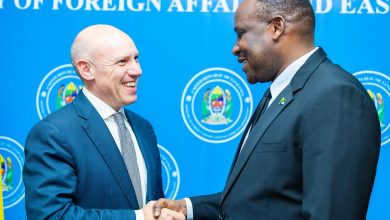
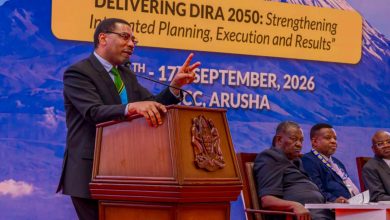
MOROGORO: STAKEHOLDERS in skills development in Tanzania have reviewed and endorsed a draft framework for apprenticeship development aimed at strengthening practical training systems to better align with the country’s labor market demands.
The draft was discussed during a three-day meeting organized by the International Labour Organization (ILO) through the Global Skills Programme, funded by the Government of Norway.
The meeting brought together stakeholders from educational institutions, vocational training colleges, the private sector, and government agencies.
Speaking during the session, ILO Skills Development Programme Officer Hafidh Khamis said the draft seeks to improve the apprenticeship training system to meet the real needs of the labor market.
“The key areas discussed include coordination of apprenticeship training, stakeholder collaboration, and aligning Tanzania’s policies and laws with International Recommendation No. 208 on apprenticeships,” said Khamis.
ALSO READ: Tanzania’s innovative beekeeping impresses at the 3rd Global Forum for Beekeeping and Pollination
Meanwhile, the Academic Manager and Trainer at the National College of Tourism, Mery Maduhu, said the apprenticeship system requires students to receive both classroom instruction and workplace-based practical training to improve employability.
“A student is expected to learn both at college and in the workplace.
Forty percent of the training is conducted in the classroom, while 60 percent is acquired through hands-on training with employers,” Maduhu explained.
On her part, Human Resources Officer at the Zanzibar Tourism and Hospitality Centre of Excellence and Sansi Hotel, Martina Wangoma, urged employers to strengthen cooperation with training institutions to help students gain practical work experience before graduation.
“Employers should provide more opportunities for students to undertake practical training so they can acquire the skills needed in the labor market,” said Wangoma.
The initiative is described as an important step in efforts to increase youth employment through market-driven skills training in Tanzania.