Over 72pc of youth remain low-skilled, House told
DODOMA: TANZANIA is facing a major youth skills gap, with only 3.6 per cent of young people possessing high-level skills against the national target of 12 per cent, august House was told yesterday.
More than 72 per cent of youth remain in the low-skill category, far above the recommended ceiling of 54 per cent, underscoring the need for urgent interventions to strengthen vocational and technical training across the country.
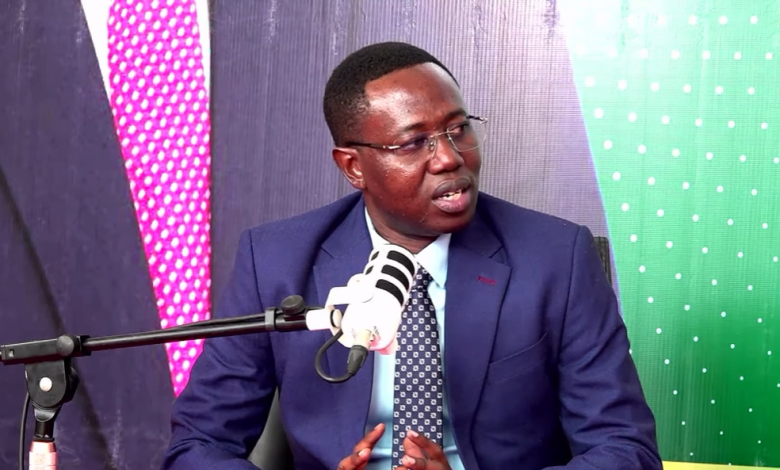
This was revealed by Minister of State in the President’s Office – Youth Development, Joel Nanauka, while responding to supplementary questions from Special Seats MP (CCM), Bonnah Kamoli.
The legislator questioned why the government does not prioritise early vocational training for students who perform poorly in Form Four and Form Six examinations and why greater efforts are not being made to equip unskilled youth in communities with practical skills to improve their livelihoods.
In response, Mr Nanauka said the government places high importance on youth development and vocational training. He acknowledged that the country faces a significant skills gap, with current statistics showing a major shortage of highly skilled youth.
“The current statistics reveal a significant imbalance. While policy targets aim for at least 12 per cent of youth to have highlevel skills, only 3.6 per cent have attained that level. At the same time, more than 72 per cent of young people fall within the low-skill category, compared to the recommended ceiling of 54 per cent,” he said.
Mr Nanauka said the government is addressing the gap through various programmes, including training initiatives run by the Vocational Education and Training Authority (VETA) and curriculum improvements under the Ministry of Education.
He said the initiatives are intended to ensure students acquire practical skills while still in school. Additionally, Mr Nanauka highlighted a special government programme focused on the formalisation of informal skills through VETA. The initiative targets youth who are already self-employed or engaged in informal economic activities but lack official recognition and certification. He said that more than 14,404 opportunities have been created this year alone, enabling beneficiaries to receive shortterm training and formal certification.
According to the minister, beneficiaries include mechanics, plumbers and other artisans, who are later able to access opportunities from both the government and private sector, including loans.
In her basic question, Ms Kamoli sought clarification on government plans to collaborate with institutions such as SIDO and VETA to equip youth with skills for self-employment. Responding, Mr Nanauka said the government has continued to strengthen and coordinate various programmes aimed at economically empowering young people through partnerships with institutions including VETA and the Small Industries Development Organisation (SIDO).
ALSO READ: Tanzania unveils AI tourism chatbot
He said that through VETA, the government is implementing initiatives such as skills recognition and formalisation programmes, the Integrated Training for Entrepreneurship Programme (INTEP) and the Wajibika Scholarship Programme in collaboration with NBC. The programmes offer training in various trades, including electrical work, plumbing and tailoring.
Mr Nanauka added that through SIDO, the government is providing entrepreneurship training, preparing trainers and facilitating youth access to affordable loans from the government and development partners.
“These efforts are intended to enable young people to become self-employed and generate employment opportunities for others through economic activities, including small-scale businesses and industries,” he said.
In another supplementary question, Special Seats MP (CCM), Silvia Sigula, inquired whether the government plans to recognise and accredit private institutions that provide vocational training similar to VETA and SIDO. Responding, Mr Nanauka said the government is already implementing such plans, particularly through the ongoing skills formalisation programme, which involves collaboration with private sector training providers.
He said inspections and assessments are conducted to ensure that training institutions meet the required standards before certification is granted. Mr Nanauka further said Tanzania’s Development Vision 2050 places strong emphasis on private sector participation, with a target of 70 per cent contribution to national development.
As such, he said, the government will continue strengthening partnerships with private institutions. He also pointed out that under directives issued by the President, a special strategy has been established to enhance cooperation between industries and the government in equipping youth with practical skills.
So far, more than 87 companies and factories have signed agreements with the government to support youth training and skills formalisation initiatives.