AGRA continues national ClimVAT training series in Dar es Salaam
DAR ES SALAAM: AGRA has continued its national training series on climate vulnerability mapping and risk analysis in Dar es Salaam as part of ongoing efforts to strengthen climate adaptation planning and investment prioritization for resilient agrifood systems in Tanzania.
The training series, which began in Dodoma on May 11, brings together agricultural experts, policymakers, development partners, and climate specialists to explore how climate data and risk analysis can support smarter agricultural planning and improve resilience against climate-related shocks.
The sessions are centered on the use of the Climate Vulnerability Assessment Tool (ClimVAT), a digital platform developed to help identify areas most vulnerable to drought, floods, erratic rainfall, heat stress, and other climate risks affecting agriculture and food systems.
Participants are also being introduced to a User Guide to AGRA’s Climate Vulnerability Assessment Tool (ClimVAT), a practical resource designed to support stakeholders in understanding, interpreting, and applying climate vulnerability data in planning and decision-making processes.
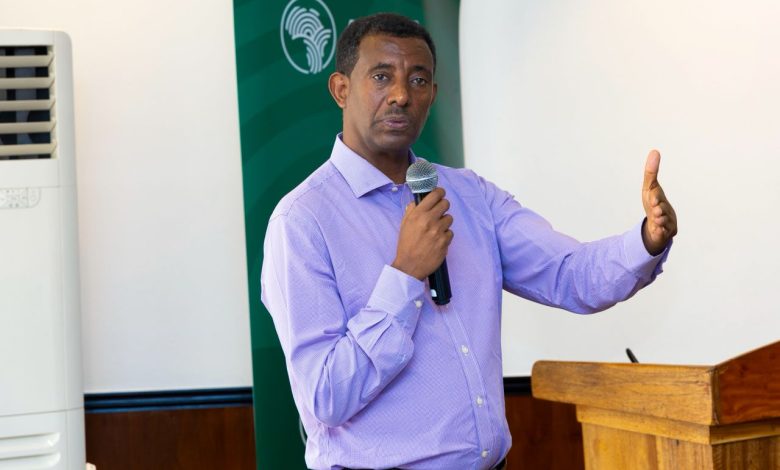
Speaking during the training, Dr Kindie Tesfaye Fantaye, Head of the Climate Adaptation Sustainable Agriculture and Resilience (CASAR) Center of Technical Expertise, said climate information and scientific evidence are becoming increasingly important in helping African countries build resilient food systems.
“As climate impacts continue to intensify, countries must invest in evidence-based planning and climate risk analysis to guide agricultural investments and adaptation strategies,” the Dr said.
He noted that ClimVAT is designed to help stakeholders identify vulnerable populations and climate risk hotspots, enabling governments and institutions to prioritize interventions more effectively.
Trainer and facilitator Dr Laurent Kaburire said climate vulnerability mapping is critical in helping institutions move from reactive responses to more proactive and informed planning.
“Building resilience begins with understanding risk. Tools like ClimVAT help translate complex climate data into practical information that can guide policy, planning, and investment decisions,” Dr Kaburire said.
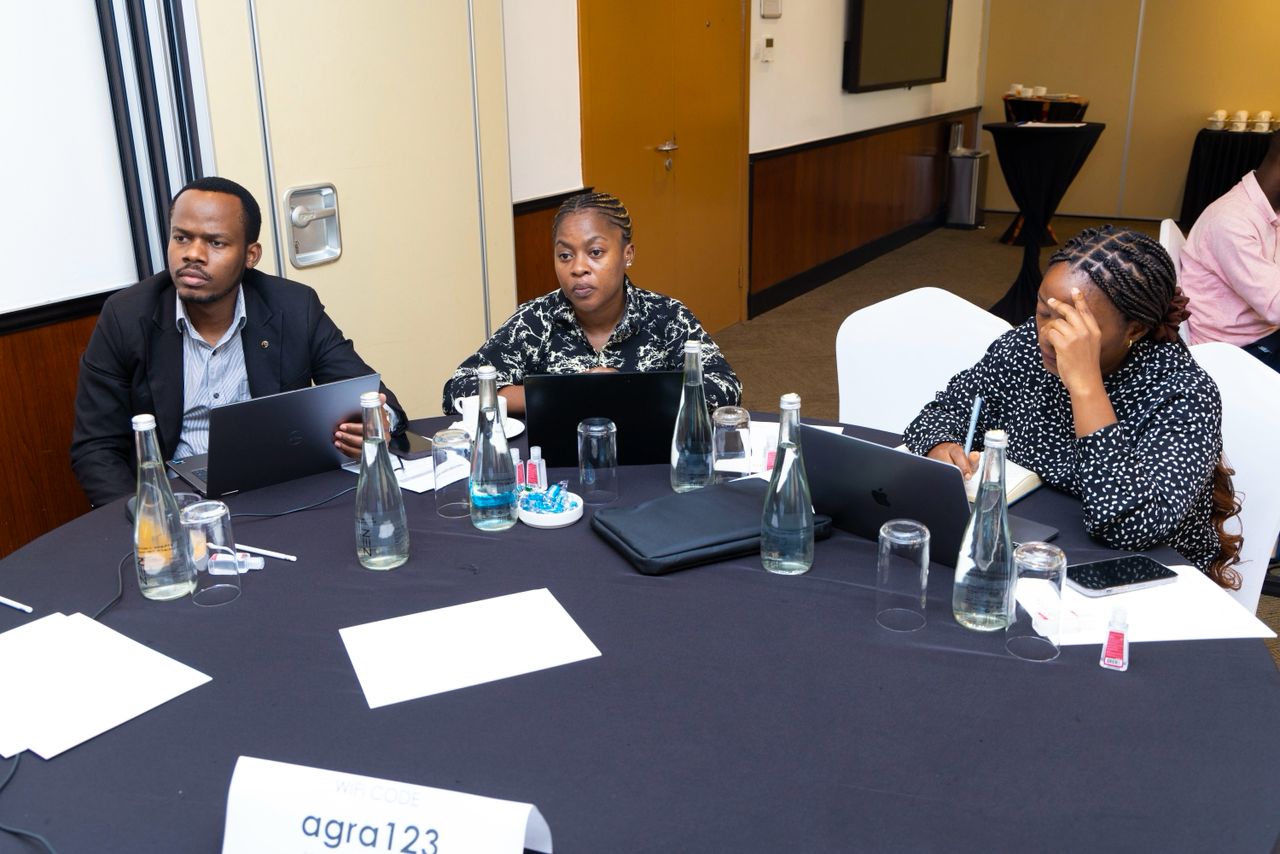
Meanwhile, Werner Hilary, a Policy Specialist from ANSAF and participant in the training, said the sessions are helping stakeholders better understand how climate data can be integrated into development planning.
“This training is important because it shows how climate information can support better decision-making and ensure resources are directed to communities facing the greatest climate risks,” Hilary said.
According to AGRA, the use of digital tools, climate analytics, and science-driven planning is becoming essential in supporting African countries to strengthen food security, climate-smart agriculture, and long-term resilience across agrifood systems.