Africa Media Convention calls for women inclusion in leadership
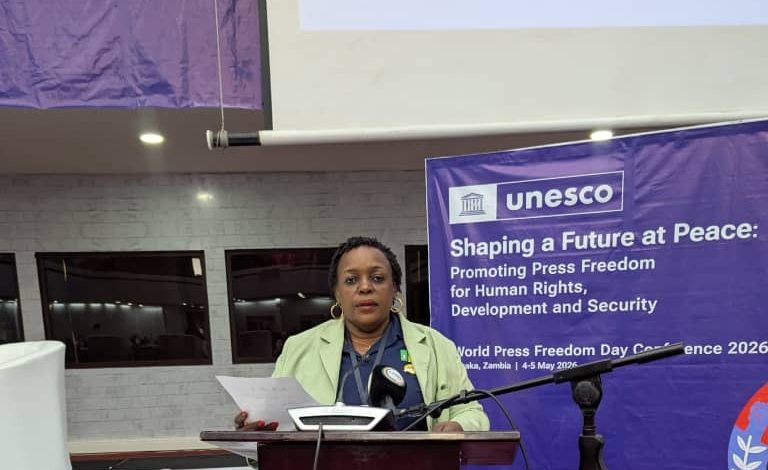
LUSAKA: CALLS to strengthen the participation of youth and women in leadership positions within the media sector have taken centre stage at the ongoing Africa Media Convention in Lusaka, as stakeholders push for a more inclusive and effective industry across Africa.
The convention, being held at the Mulungushi International Conference Centre, has brought together journalists, editors, media executives and policy actors to deliberate on key issues shaping the future of journalism, including press freedom, professionalism and sustainability.
As part of discussions on the draft constitution of the AMC, a board member of the Congress of African Journalists Association, Idda Mushi, called for deliberate measures to ensure meaningful representation of youth and women in decision-making structures within media organisations.
Speaking during the session, Mushi who also represents the Journalists and Media Workers Union of Tanzania (JOWUTA) and chairs the Tanzania Women Journalists Delegation said inclusive leadership is essential for strengthening the credibility and responsiveness of media institutions.
She noted that expanding opportunities for young professionals and women to take up leadership roles would enhance diversity of perspectives and lead to more balanced and impactful decisions within the sector.
Mushi further stressed the importance of moving beyond policy frameworks, urging stakeholders to prioritise the effective implementation of the AMC constitution to ensure that agreed principles translate into tangible reforms.
ALSO READ: Tanzania tells UN conference how it empowers its women engaged in tourism sector
The hybrid convention held both physically and virtually forms part of activities marking World Press Freedom Day, providing a platform for reflection on the challenges facing the media landscape and the opportunities ahead.
Launched in Arusha, the Africa Media Convention has grown into a key continental forum, previously hosted in countries including Nigeria, Ghana and Morocco, as it continues to shape dialogue on the future of journalism in Africa.