15m Tanzanians to gain from the camera technology used for early screening of diabetic retina
DAR ES SALAAM: OVER 15 million Tanzanians across the Dar es Salaam, Dodoma, and Mbeya regions, as well as surrounding areas, are expected to benefit from the introduction of Portable Fundus Camera technology used for early screening of diabetic retinopathy, a condition affecting the retina caused by diabetes.
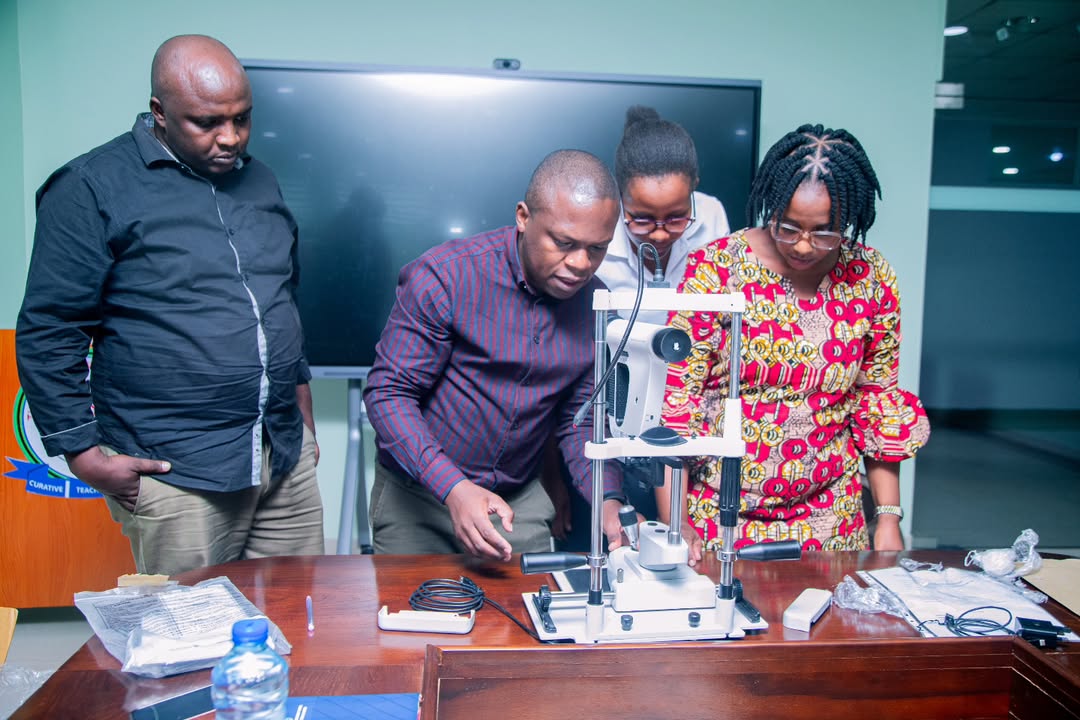
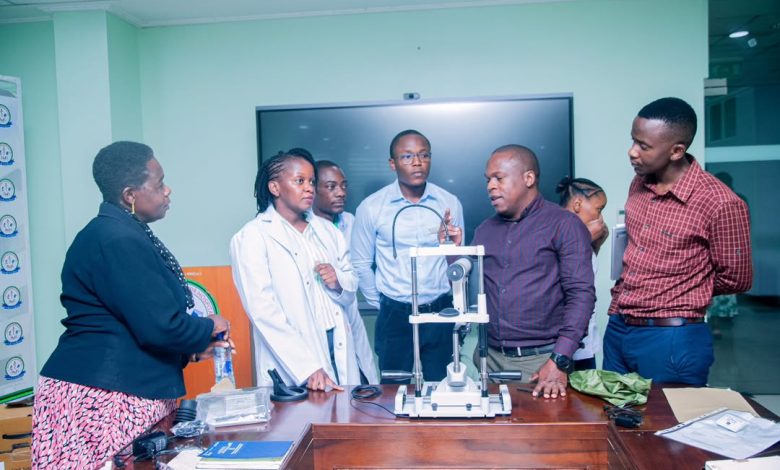
The announcement was made by the Acting Director of Non-Communicable Diseases at the Ministry of Health, Edith Bakari, during training sessions on the use of the equipment held at Benjamin Mkapa Hospital. She stated that the technology will enable early detection of patients before the disease reaches advanced stages, allowing timely treatment and reducing or preventing diabetes-related blindness.
She further explained that the devices will be deployed in diabetes clinics within hospitals as well as through mobile outreach services, with the aim of reaching more people who face challenges accessing health facilities.
“These devices are expected to be fully utilized in diabetes clinics and outreach services. This will help reach many citizens who cannot easily access health facilities,” said Edith Bakari.
ALSO READ: High-Tech Cameras for Photography Buffs
She also expressed appreciation to the London School of Hygiene and Tropical Medicine (LSHTM) for its close collaboration with the Ministry of Health in implementing various interventions aimed at improving eye health services in the country.
On her part, the Acting National Eye Health Programme Manager at the Ministry of Health, Dr Eunice Headcraph, said that following the training of specialists from beneficiary hospitals—namely Benjamin Mkapa Hospital, Muhimbili National Hospital–Mloganzila, and the Mbeya Zonal Referral Hospital—each facility is expected to officially commence the service.
Dr Headcraph emphasized the importance of ensuring the equipment is fully utilized, alongside monthly reporting on implementation. The reports are expected to include data on the number of patients served, those diagnosed with complications, those who received treatment, and the types of treatments provided.