UNICEF calls for end to corporal punishment
DAR ES SALAAM: UNICEF has joined other stakeholders to demand an immediate end to corporal punishment in all learning environments, urging Tanzania to strengthen child protection measures and adopt positive discipline approaches.
The call was made today in Dar es Salaam during the commemoration of the International Day to End Corporal Punishment, marked annually on April 30.
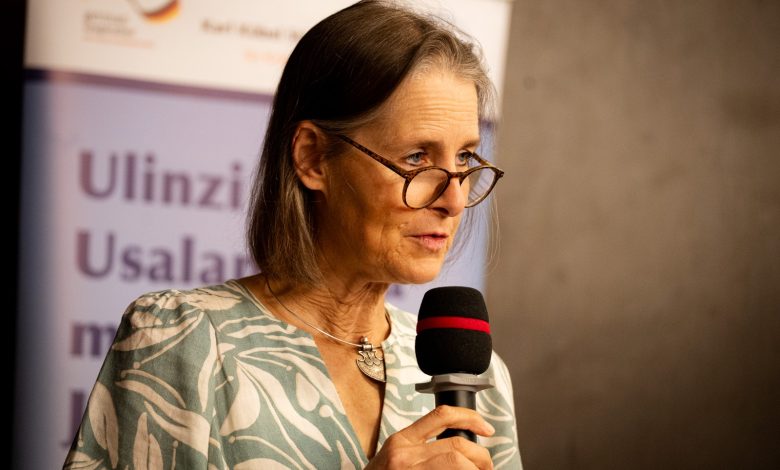
Speaking at the event, UNICEF Representative to Tanzania, Ms Elke Wisch said corporal punishment remains a reality for many children in schools, homes, daycare centres and residential care facilities, despite growing awareness of its harmful effects.
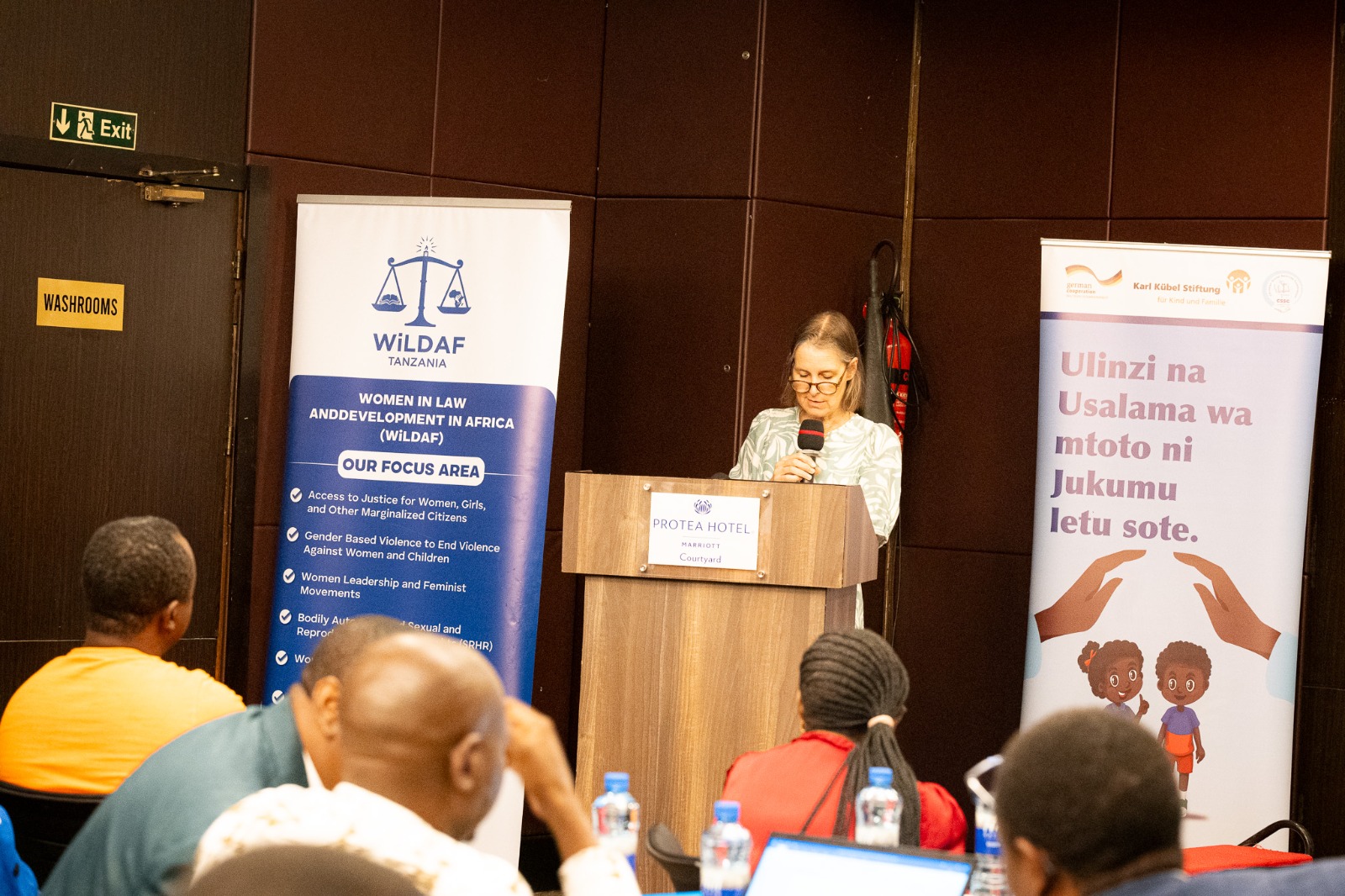
She noted that while the practice is still widely accepted in some communities, it undermines children’s dignity, creates fear, reduces participation in learning and negatively affects academic performance and emotional development.
ALSO READ: Tanzania calls for a decisive shift in mining sector by investing in value addition
“Corporal punishment does not improve discipline or learning outcomes. Instead, it leads to withdrawal, fear and long-term psychological harm,” she said, citing studies showing that more than 70 percent of children experience physical violence during childhood.
She called for urgent legal and policy reforms to prohibit corporal punishment in all settings, including schools and homes.
In line with this, Ms Wisch advocated for the adoption of positive discipline, noting that it promotes guidance, respect and communication rather than punishment and fear.
“Positive discipline builds confidence, responsibility and stronger relationships between children, teachers and parents, while creating safer environments for learning.” she said.
She also urged the Ministry of Education to scale up positive discipline training, the Ministry of Community Development to expand parenting programmes such as Familia Bora Taifa, and religious leaders to help challenge harmful social norms.
She further called on parents, caregivers and the media to play an active role in protecting children and promoting non-violent upbringing.
“Every child deserves to learn without fear, to grow with dignity and to reach their full potential.” she said.