TASAC backs single window system to fast-track trade
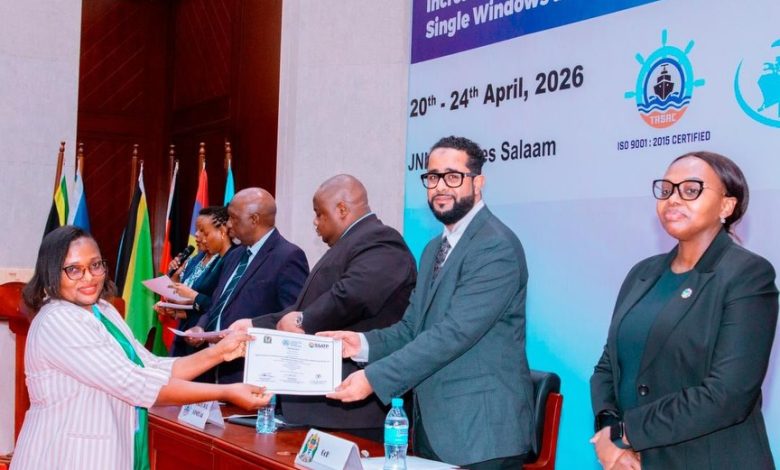
DAR ES SALAAM: THE Tanzania Shipping Agencies Corporation (TASAC) in collaboration with the International Maritime Organisation (IMO) has intensified efforts to promote digitalisation of port operations as key tool to improve trade efficiency and cut logistics costs across Africa.
Central to this push is the adoption of the Maritime Single Window (MSW), a digital cargo clearance system that enables electronic exchange of information among port stakeholders.
TASAC’s Director General Mr Mohamed Salum said the initiative is driven by the need to move from manual processes to integrated digital platforms that allow seamless data sharing among stakeholders, thereby facilitating trade.

“The move towards a Maritime Single Window is about creating a cultural shift from manual processes to integrated digital platforms, enabling systems to communicate efficiently and support faster, more transparent trade,” said Mr Salum recently.
The MSW system, which became mandatory under the international FAL Convention in January 2024, is expected to streamline procedures, cut delays and lower the cost of doing business in the maritime sector.
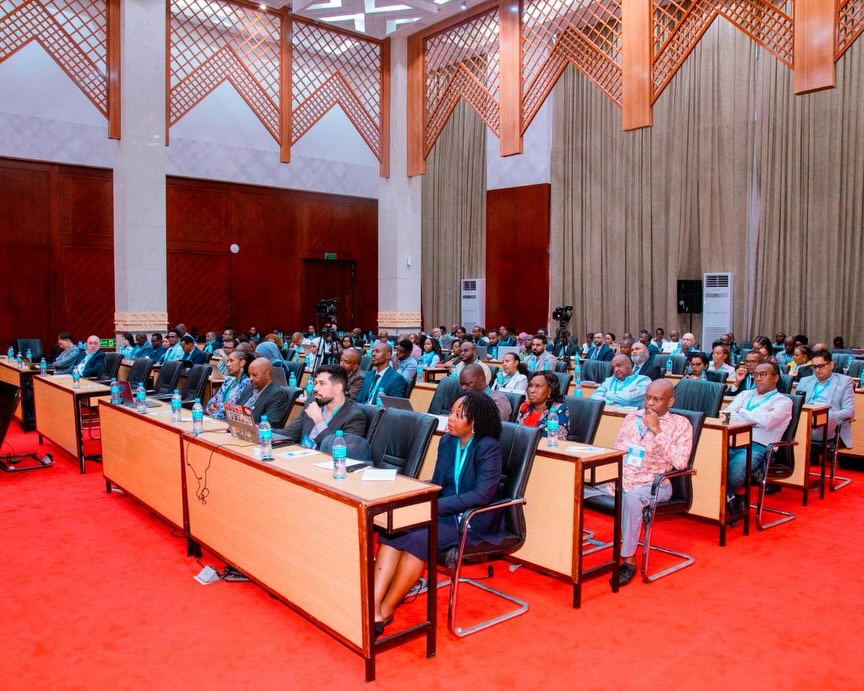
A five-day workshop brought together participants from more than 12 African countries to build a shared understanding of the MSW system, which enables electronic exchange of information for cargo clearance.
Zanzibar Ports Authority (ZPA)’s Director General, Mr Akif Ally Khamis said adopting international standards such as the IMO compendium is critical to unlocking the full benefits of digital systems.
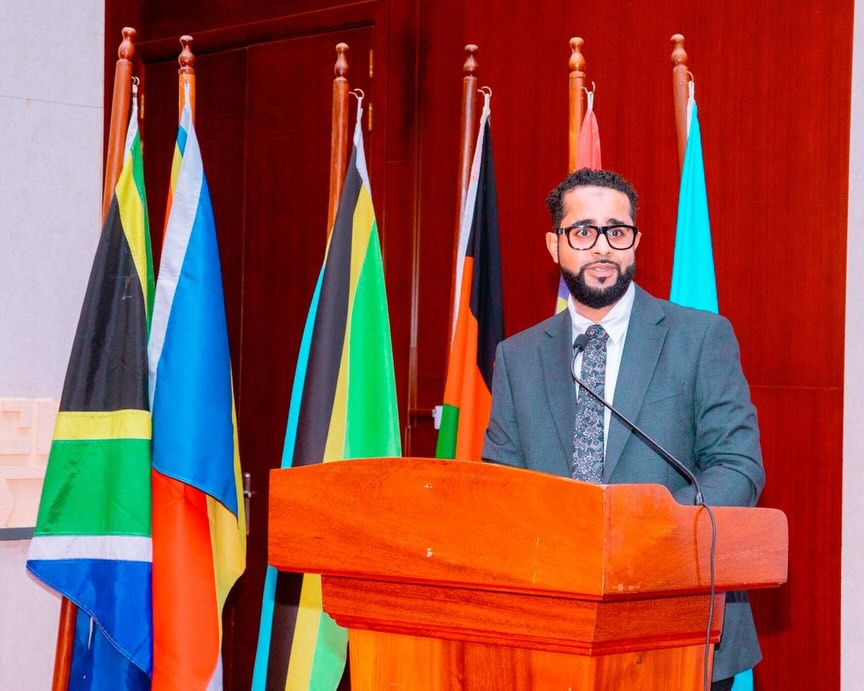
“These initiatives are not just technical changes but strategic steps to reduce costs, eliminate duplication and strengthen economies,” said Mr Salum, calling for stronger regional cooperation to harmonise maritime systems and facilitate smoother crossborder trade.
Furthermore, the International Maritime Organisation (IMO)’s Head of Maritime Development, Technical Cooperation and Implementation Division for Africa, Ms Mwanaulu Mwajita said the workshop designed to strengthen operational collaboration among member states through the adoption of harmonised and interoperable electronic systems to improve efficiency in port operations.
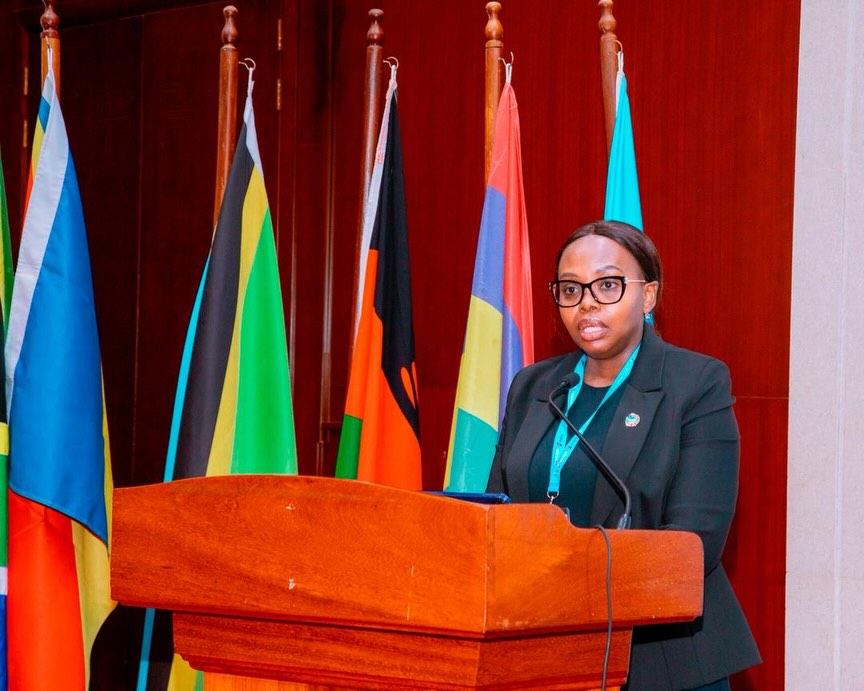
She said that aligning digital platforms across countries would not only streamline cargo clearance processes but also reduce delays and administrative costs that continue to burden maritime trade across the region.
She added that such initiatives are critical in unlocking the full potential of the maritime sector as a driver of economic growth and regional trade integration.