With sharp reduction in transmission, Tanzania claims Africa’s helm in fight against malaria
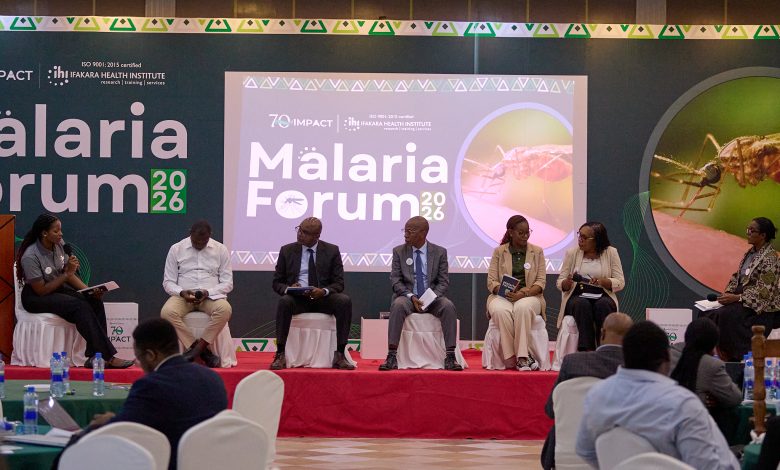
DODOMA: AS the world marks World Malaria Day today,April 25, 2026, Tanzania is emerging as one of Africa’s strongest examples in the fight against the deadly disease, following a sharp reduction in malaria transmission driven by intensified collaboration among national health institutions, research bodies and development partners.
Speaking at the Malaria Forum 2026 organised by the Ifakara Health Institute (IHI) in Dodoma ahead of the global commemoration, Director of Reproductive, Maternal and Child Health in the Ministry of Health, Dr Ahmed Makuwani, who represented the Permanent Secretary, said the country’s gains reflect years of coordinated investment, innovation and strengthened health systems.
He said joint efforts by the National Malaria Control Programme (NMCP), the Zanzibar Malaria Elimination Programme (ZAMEP), research institutions and long-term partners have delivered lifesaving progress and boosted community well-being across the country.
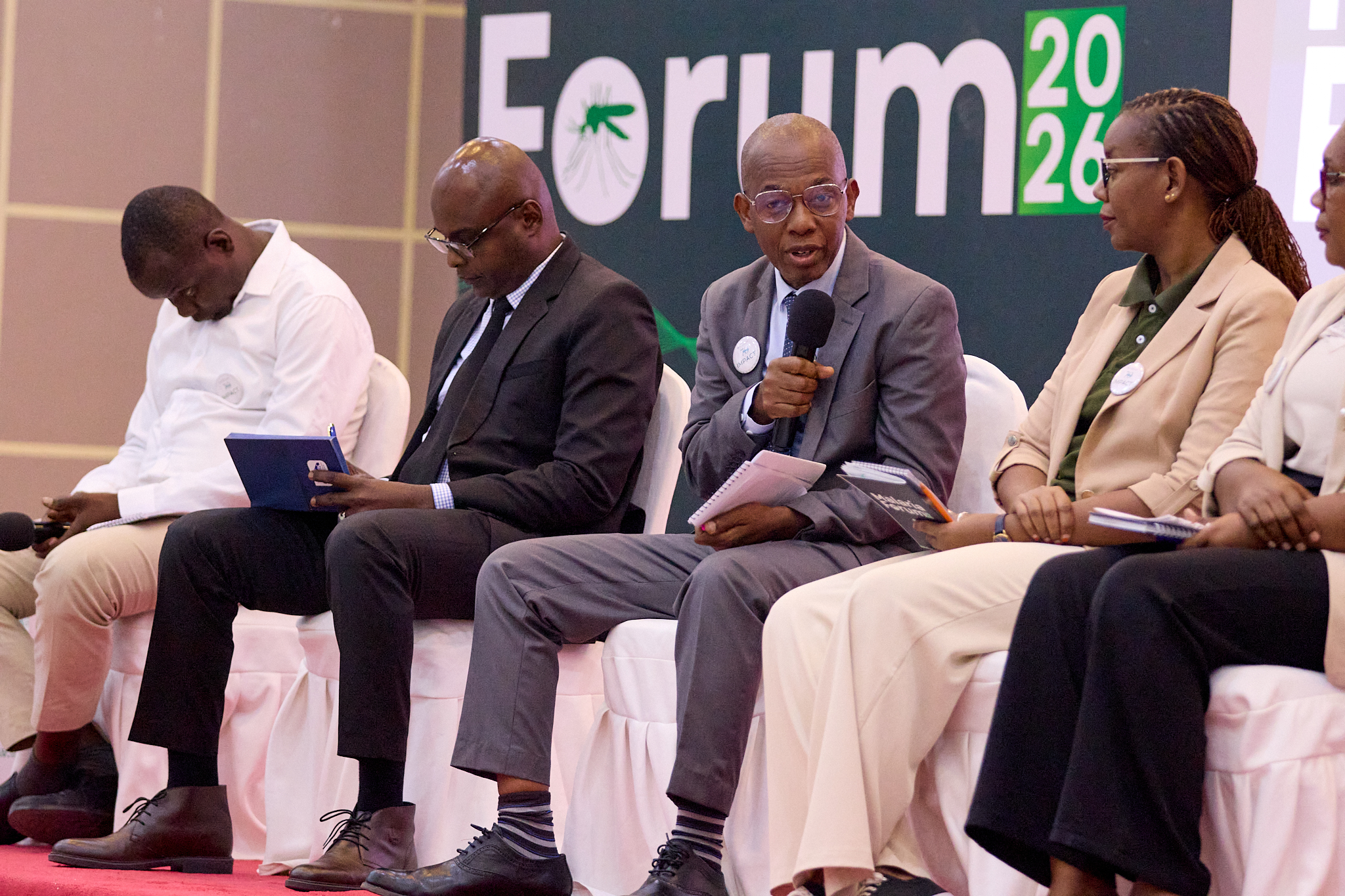
“These collective efforts have saved lives, strengthened our health systems and improved the well-being of communities across the country,” he said.
Marking 70 years of malaria research leadership, IHI’s work continues to inform both national and global strategies.
Beyond its broad research footprint, the Institute is driving some of the country’s most advanced innovations including the Transmission Zero programme, which aims to push malaria transmission to near-zero levels in targeted areas by integrating cutting-edge genetic research with new vector-control approaches.
As part of its contribution to improving treatment outcomes, IHI has also played a key role in developing and evaluating child-friendly dispersible malaria medicines, which have significantly improved adherence and recovery rates among young children.
ALSO READ: Tanzania turns to innovation, community power in fight against Malaria
Dr Makuwani said such advances illustrate why sustained investment in science remains essential, especially as evidence continues to guide policies and practical interventions that benefit communities.
However, he cautioned that despite encouraging progress, malaria remains a public health challenge in several regions. Persistent threats include residual transmission in low-burden areas, intense transmission in high-burden zones, growing insecticide and drug resistance, climate-related risks and uneven access to preventive and treatment services.
He said tackling the remaining barriers will require accelerating innovation, strengthening health systems to improve diagnosis and treatment, ensuring fair access to services for vulnerable groups and maintaining firm political commitment and financing.
Dr Makuwani noted that this year’s World Malaria Day theme “Driven to End Malaria: Now We Can. Now We Must.” underscores a critical turning point, as Africa now has powerful new tools at its disposal.
“Now we can, because we have improved insecticide-treated nets, malaria vaccines, new vector-control approaches and African-led research driving solutions,” he said.
He urged all stakeholders to translate discussions into concrete action, stressing that eliminating malaria will depend on joint efforts from policymakers, health workers, scientists, partners and communities.
Speaking on behalf of the Chief Executive Director of IHI, Chief Research Scientist Dr Nicodemus Govella said robust partnerships remain the backbone of the country’s malaria elimination drive.
“No single institution or programme can achieve elimination alone. Success depends on coordinated action, government leadership, scientific innovation, partner support and community engagement,” he said.
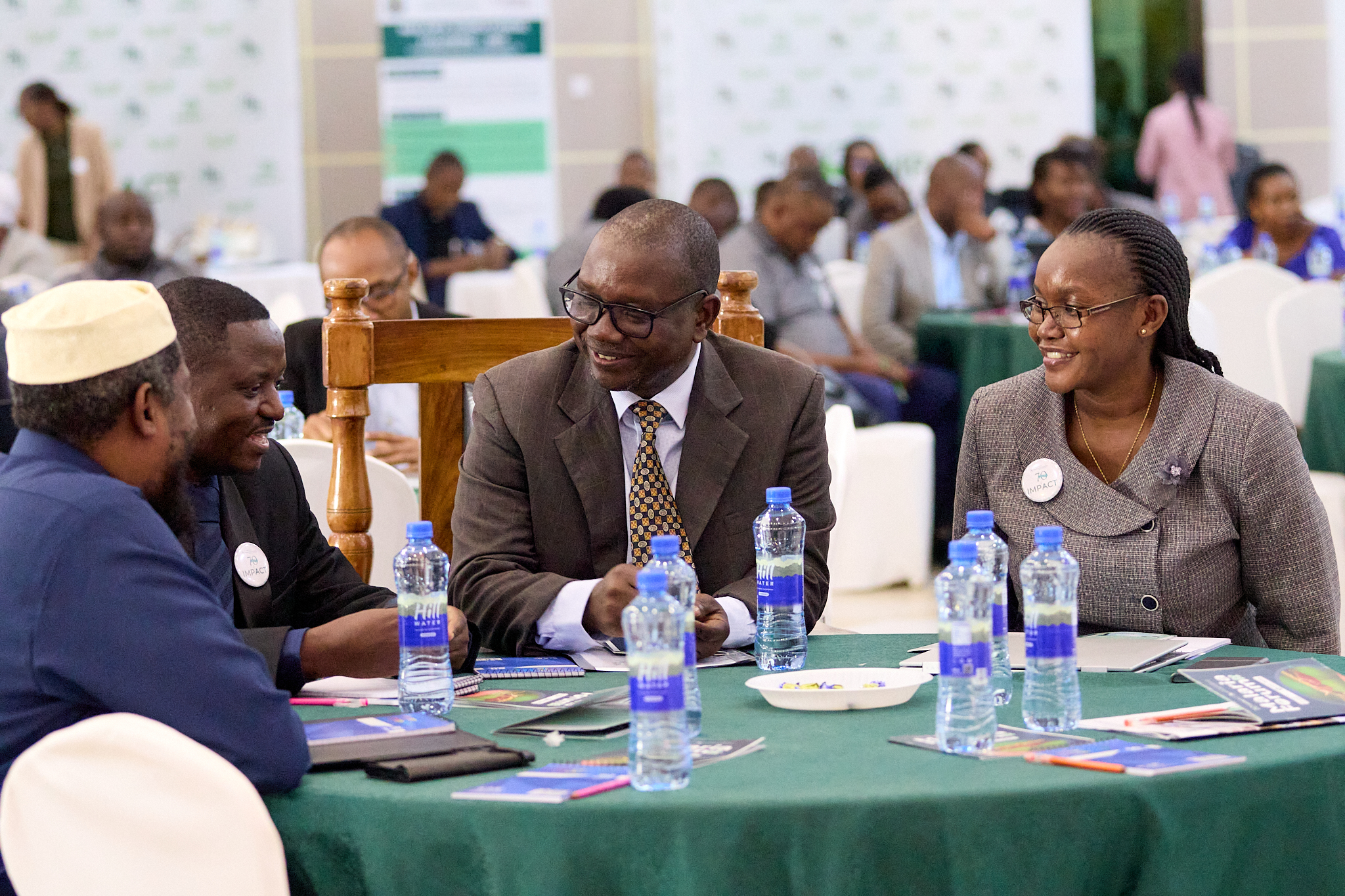
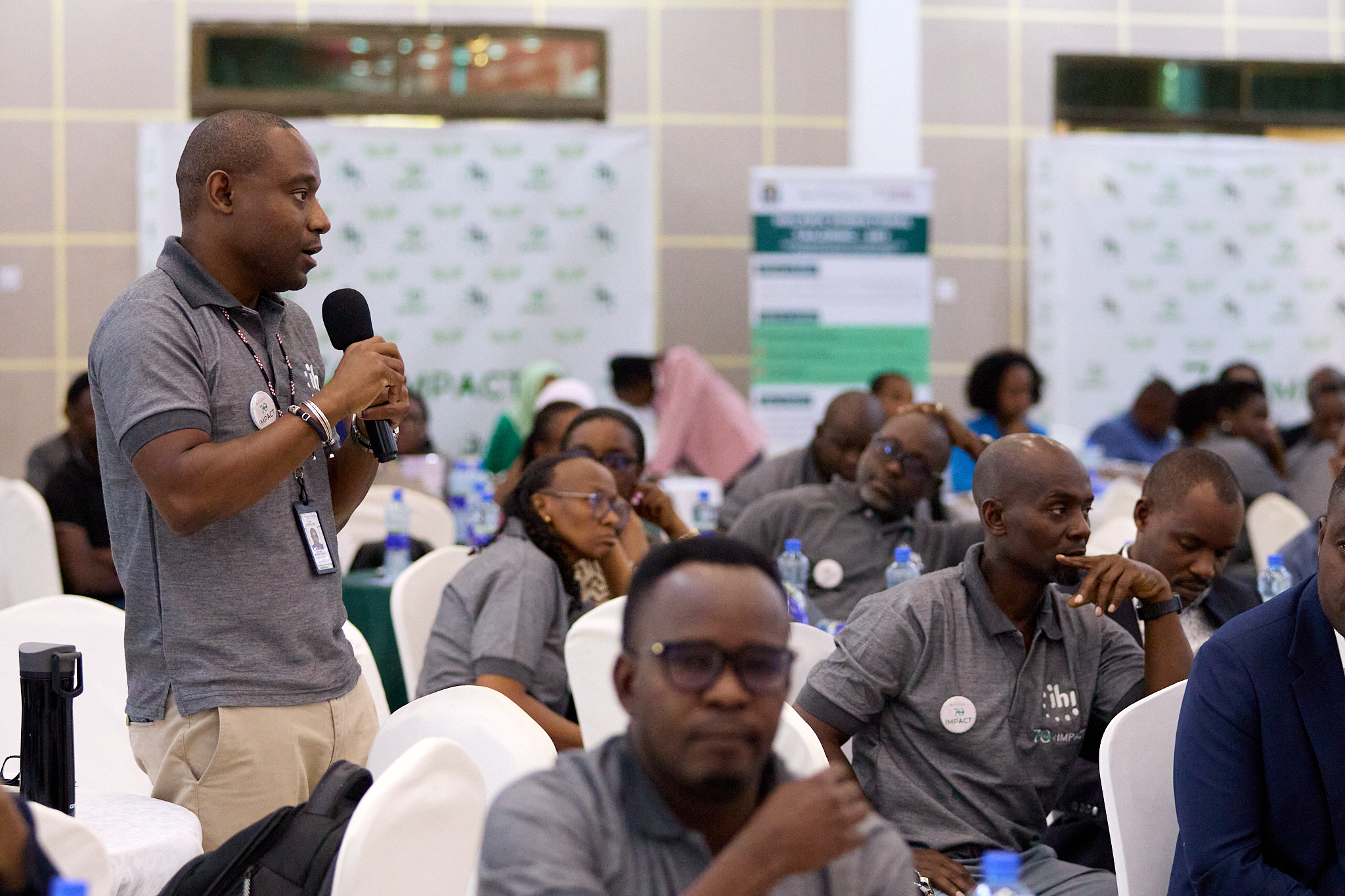
He added that the forum, which brought together policymakers, researchers and implementers from Mainland Tanzania and Zanzibar, is essential for aligning priorities, sharing evidence and shaping practical solutions.
The forum also discussed Vector-Borne Diseases 360 (VBD360), formerly MosquitoDB, a modern real-time surveillance system that integrates a mobile data-capturing application for monitoring vector and human behaviour with an interactive dashboard designed to strengthen the monitoring, control and elimination of vector-borne diseases.
Dr Govella said the next phase will focus on scaling up new tools, improving diagnosis and surveillance, expanding equitable access to services and sustaining strong political and financial support.
The annual Malaria Forum continues to serve as a national platform for translating scientific evidence into policy and action, strengthening collaboration and accelerating Tanzania’s march toward malaria elimination.