… ‘It’s credible, scientific report’
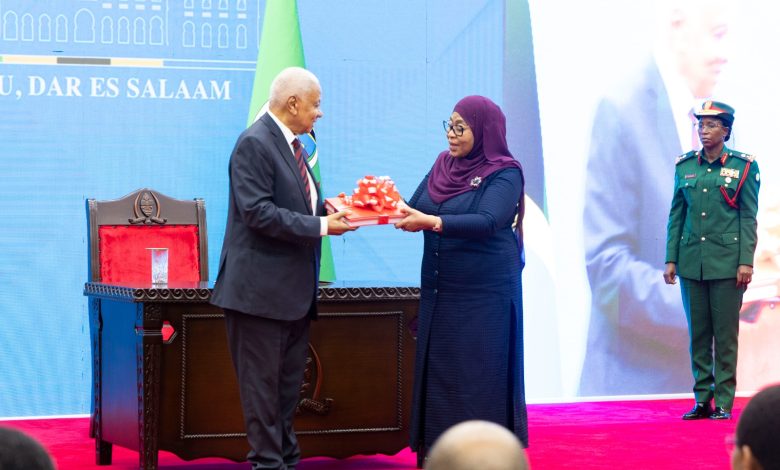
DAR ES SALAAM: TANZANIANS from across the political spectrum, religious institutions, and civil society have expressed strong support for the Presidential Commission of Inquiry report into the violence that occurred during and after the October 29, 2025 General Election.
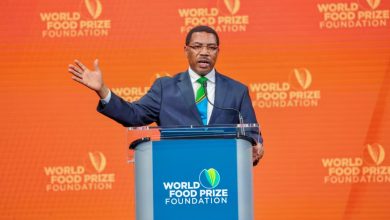
They described it as a critical step toward national healing, accountability, and democratic strengthening. The report, presented to President Samia Suluhu Hassan at the State House in Dar es Salaam on Thursday by the Commission’s Chairperson retired Chief Justice Mohamed Chande Othaman (pictured), has been widely praised for its professionalism, reliance on scientific evidence, and its comprehensive account of events that shook parts of the nation.
Many leaders said that it replaces speculation with verified facts, while laying a solid foundation for reconciliation and reforms.
The Secretary General of Chama cha Ukombozi wa Umma (CHAUMMA) Mr Salum Mwalimu, expressed confidence in the Commission’s findings and recommendations, noting the expertise and credibility of its members. He said that the report responds to longstanding public concerns, including calls for a new constitution, while urging citizens to remain united and reject divisive rhetoric.
Ms Mwajuma Mirambo, who was the Presidential candidate during the 2025 election under Union for Multiparty Democracy (UMD) ticket, praised both the depth of the report and President Samia’s transparency in making it public, calling it a sign of accountable leadership. Echoing similar sentiments, veteran politician Mr Hamad Rashid Mohamed of the Alliance for Democratic Change (ADC) commended the Commission’s rigorous methodology justice system and reducing delays in case handling.
“We will continue to strengthen alternative dispute resolution systems to reduce case backlogs in courts and speed up access to justice,” he said.
As part of broader reforms, the government will expand the use of Information and Communication Technology to modernise legal service delivery, improve transparency and enhance coordination among institutions within the justice system.
He stressed that the use of scientific investigation has helped eliminate doubt and misinformation among citizens. Mr Hamad called for swift and effective implementation of the recommendations, urging Tanzanians to support President Samia’s reconciliation efforts and constitutional reform agenda. Religious leaders also weighed in, emphasising moral responsibility and national unity.
Archbishop and Founder of Wapo Mission International, Professor Sylvester Gamanywa described the report as balanced and forward-looking, noting that it addresses breaches of peace while offering practical solutions to improve electoral systems and accountability.
He underscored that its implementation will be key to restoring public trust in democratic institutions. Similarly, Dar es Salaam Regional Sheikh and Chairperson of the Regional Peace Committee, Walid Alhad Omary called for citizens to receive the report with patriotism and a spirit of unity, saying that sincere implementation of its recommendations is essential for calming tensions and strengthening cohesion.
From the political arena, Bunda Urban Member of Parliament Ms Esther Bulaya noted that the Commission demonstrated independence and fairness, urging the public to remain patient as implementation unfolds. Katoro MP Kija Ntemi pointed out that the findings reflect what many citizens had long suspected, that the unrest was not spontaneous but orchestrated by influential actors. His remarks reinforced calls for accountability, while maintaining a forward-looking approach.
Voices from religious communities emphasised forgiveness and reconciliation. Dodoma-based pastor, Dr Musa Mlawi of the Spiritual Pentecostal Church of Tanzania (SPCT) and a member of the Tanzania Pastors Association (TPA), urged Tanzanians to forgive one another, noting that while the events cannot be undone, they offer lessons for the future. He stressed that unity, faith, and nationbuilding must now take priority.
ALSO READ: Law sector anchors 775bn/- reform drive
Political perspectives from opposition circles also leaned toward reconciliation. A member of ACT-Wazalendo Mr Elikana Mbise based in Arusha argued that individuals involved in inciting violence should be forgiven to allow the country to move forward, aligning with the President’s reconciliation agenda.
Beyond politics, the report has highlighted significant economic and social impacts. Chairperson of the Manyara Regional Chamber of Commerce, Industry and Agriculture (TCCIA), Musa Msuya called for urgent government intervention, including compensation and review of insurance systems, noting that many enterprises suffered devastating losses.
Traders across regions like Arusha, Moshi, and Manyara reported disrupted supply chains, reduced customers, and destruction of property, with small-scale traders being the hardest hit. Healthcare workers were also recognised for their role during the crisis.
Medical professionals, including District Medical Officer for Babati District in Manyara Region Mr Hosea Madama, confirmed that emergency services were stretched as teams worked around the clock treating victims, many of whom arrived in critical condition.
Academic and policy experts emphasized the need for inclusive reconciliation. Governance specialist Adam Mnyavanu advocated for broader dialogue that includes youth participation, stressing that sustainable peace must go hand in hand with economic development and inclusive governance. Political analyst Hamidini Maliseli cautioned against propaganda during this sensitive period, urging citizens to engage in constructive dialogue to prevent future unrest.
At the grassroots level, citizens across regions such as Simiyu and Geita welcomed the report as a turning point. Residents praised its honesty and depth, noting that it identifies root causes and offers actionable recommendations. Many described the process as evidence of democratic maturity under President Samia’s leadership, aligning with her 4R philosophy of Reconciliation, Resilience, Reforms, and Rebuilding.
For victims, however, the focus remains on tangible outcomes. Business owners and families affected by the violence expressed hope that the government will act swiftly on compensation and recovery measures, while also ensuring such incidents never recur. Overall, the Commission’s report is being viewed not just as an account of past events, but as a roadmap for Tanzania’s future, one anchored in unity, accountability, and a renewed commitment to democratic values.