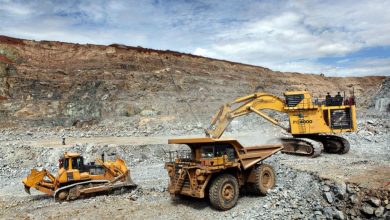
Tanzanian legislators receive special training on laws governing the mining sector

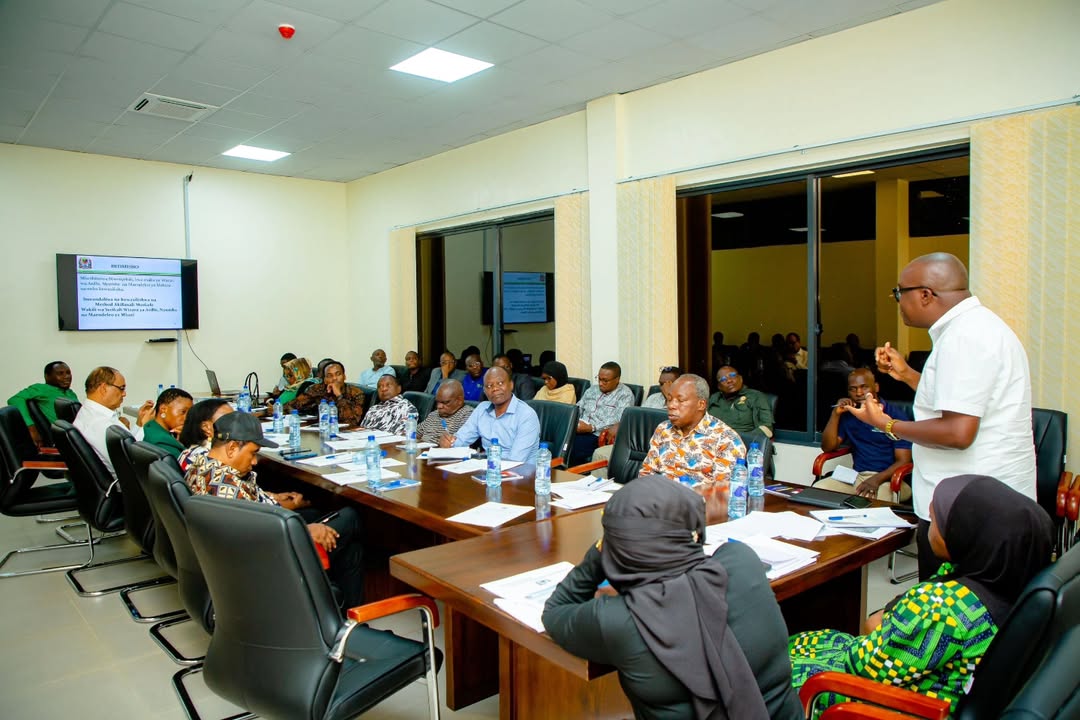
DODOMA: THE Parliamentary Standing Committee on Energy and Minerals has received specialized training on laws, regulations, and guidelines governing the mining sector, aimed at enhancing legislators’ understanding, particularly the distinction between land rights and mineral rights.
The training was held at the Tanzanite Hall, Headquarters of the Mining Commission in Dodoma, and involved experts from the Ministry of Minerals and the Ministry of Lands, Housing and Human Settlements Development.
Speaking during the seminar, the Minister for Minerals, Anthony Mavunde, stated that legally, mineral rights and land ownership are two distinct concepts. He explained that although a mining license can be issued for any area, the license holder is not permitted to begin exploration or extraction activities without reaching an agreement with the landowner. He added that where such an agreement is not reached, the law empowers the Minister to authorize the continuation of mining activities in accordance with established procedures.
For her part, the Committee Chairperson, Subira Mgalu, commended the Ministry of Minerals for organizing the training, noting that it has strengthened Members of Parliament’s capacity to effectively oversee the sector.
ALSO READ: 41m- stone bridge boosts mining sector in Mara Region
A presentation on the relationship between land and mineral rights was delivered by the Director of Legal Services at the Ministry of Minerals, Arnold Gisase. He explained that an individual can hold mineral rights without owning the land, and that land ownership alone does not grant the authority to conduct mining activities without a valid license. He also highlighted key challenges, including limited public awareness of rights and obligations, lack of understanding of valuation and compensation procedures, delays in compensation payments, and cases where landowners claim entitlement to mining licenses.
Meanwhile, a legal expert from the Ministry of Lands, Housing and Human Settlements Development, Method Akilimali, emphasized that compensation must be paid to landowners before any exploration or mining activities begin. He added that compensation should be paid within six months, with interest applicable in cases of delay, and that the valuation becomes invalid if more than two years pass without implementation. He further noted that license holders are legally required to restore land to its original condition after completing mining operations.
On licensing structures, the Executive Secretary of the Mining Commission, Ramadhani Lwamo, outlined three main types of licenses: prospecting, small-scale mining, and large-scale mining. He explained that small-scale mining licenses are reserved for Tanzanian citizens aged 18 and above, while medium and large-scale licenses are open to any applicant and can currently be processed through a digital system without the need to visit mining offices.
The training is intended to equip lawmakers with in-depth legal and operational knowledge of the mining sector, thereby improving oversight and enabling more informed decision-making in support of national development.