Kilimanjaro ice triples amid conservation push
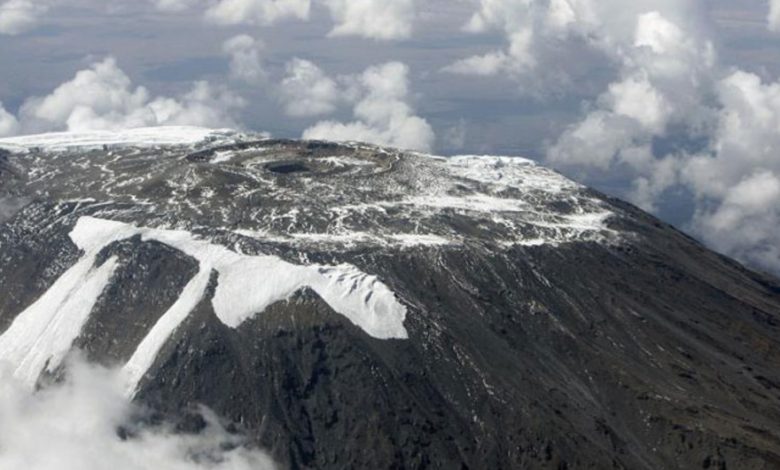
KILIMANJARO: THE ice cover on Mount Kilimanjaro has almost tripled over the past decade and a half, marking a rare turnaround attributed to sustained conservation efforts, particularly largescale tree planting around the mountain’s fragile ecosystem.
According to Kilimanjaro National Park (KINAPA), data from Geographical Information System (GIS) reports show that the ice cover has increased from 2.2 square kilometres in 2000 to 5.92 square kilometres currently.
The KINAPA Conservationist (Ecology), Mr Swahib Massawe, told reporters recently that the increase in ice cover reflects what scientists describe as a recovery on the world’s tallest free-standing mountain.
“The GIS report indicates that the glacier coverage on Mount Kilimanjaro has increased from 2.2 square kilometres in 2000 to 5.92 square kilometres,” Mr Massawe said during a press briefing on the park’s environmental issues. KINAPA is located in Marangu, Moshi District, Kilimanjaro Region.
“The tree planting and environmental protection campaign has been very important for Tanzanian tourism due to its positive results as the ices on Mount Kilimanjaro have increased”, he said.
Mount Kilimanjaro started to experience rapid and severe ice lose in the 1980s up to early 2000s caused by climate change related challenges as well as human related activities that affect the environment.
ALSO READ: Yanga face Pamba challenge
To reverse the situation, the Tanzania National Parks (TANAPA), through KINAPA and other environmental stakeholders, embarked on a programme for tree planting and general environmental conservation and the results are now visible. By 2010, the glaciers began to increase, providing clear evidence that people were motivated to plant trees and care for the environment, Mr Massawe said.
Research activities conducted by local environmental experts have also contributed to this success, as studies on Mount Kilimanjaro’s glacier decline are now being carried out by people familiar with the mountain’s environment.
“In previous years, 90 per cent of those who were used to conduct studies related to the glacier issues on Mount Kilimanjaro were from outside the country,” he said.
Mr Massawe noted that tree planting and environmental protection are now part of TANAPA’s permanent agenda, aimed at preventing future impacts on activities related to Mount Kilimanjaro.
KINAPA Chief Conservator Angela Nyaki said the number of climbers on Mount Kilimanjaro increased from more than 60,000 in the 2023/2024 tourist season to over 69,000 in the 2024/2025 season.
During the same period, revenue rose from more than 95bn/- in 2023/2024 to over 100bn/- in 2024/2025. Ms Nyaki said the encouraging trend is the rise in domestic tourists climbing Mount Kilimanjaro, which she said will contribute significantly to the revenue generated annually from those visiting the mountain.
Additionally, according to Good Earth Tours, the “impossible” might be happening right now on Africa’s highest peak and it’s the win for conservation we’ve all been waiting for.
“While we’ve spent years worrying that the glaciers would disappear, local teams have been busy on the ground,” Good Earth Tours said on its Facebook platfrom, “we believe this news changes the narrative. It reduces the stress of “seeing it before it’s gone” and replaces it with the inspiration of seeing a landscape that is fighting back and winning”.