Minister orders review of public pharmacies to improve service
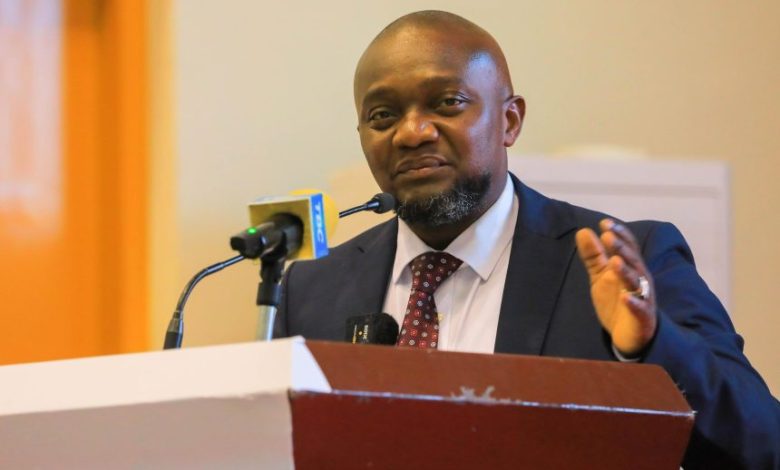
DAR ES SALAAM: MINISTER for Health Mohammed Mchengerwa has directed an immediate review of pharmacies in public health facilities, to strengthen access to medicines and enhance service delivery for citizens.
Speaking during a recent working session with health sector institutions at the Medical Stores Department (MSD) in Dar es Salaam, Mr Mchengerwa instructed the Government Chief Pharmacist to update the formula used to measure the availability of health commodities.
He said that the current system should not only reflect the presence of medicines but also assess their adequacy and alignment with the official list of essential medicines required at each level of service delivery.
“We cannot continue to rely on indicators that paint a positive statistical picture while the actual service delivery has gaps,” Mchengerwa said.
“We need more realistic and service-oriented performance measurements.”
The minister also directed the Chief Medical Officer to ensure strict compliance with the Standard Treatment Guidelines and the National Essential Medicines List.
He stressed the importance of strengthening the performance of Medicines and Therapeutics Committees (MTCs), which must be proactive in overseeing the rational use of medicines, enforcing discipline in prescription practices and monitoring adherence to guidelines across all health facilities.
Minister Mchengerwa called for a review and improvement of policies, structures and administrative procedures governing health facilities.
He stressed the need for pharmacists to be integrated as essential members of management teams at hospitals, health centres and dispensaries, while also pointing out that issues related to medicines, such as stock management, utilisation and overall supply chain oversight must not be treated as secondary matters.
“Pharmacists are not just custodians of stores. They are vital professionals who ensure proper access, rational use, effective stock management and provide technical advice on medicines. Their input must be included in decision-making at facility management levels,” he said.
The minister also addressed the role of pharmacies within public health facilities, explaining that they were introduced to bridge gaps in medicine availability, especially when the regular public supply system faces challenges.
He noted that pharmacies are meant to ensure that patients can access medicines conveniently within or near health facilities, reducing the burden of seeking medicines elsewhere.
However, Mr Mchengerwa warned that the system is being undermined in some areas.
ALSO READ: Pharmacies’ personnel should stick to ethics
“We did not establish these pharmacies to create problems. They were intended to improve services. It is unacceptable for citizens to pay for medicines they are entitled to receive for free within the public system,” he said.
The minister expressed concern about healthcare providers who prescribe medicines by brand name, instead of by their generic names.
This practice often leads to patients being told that medicines are unavailable, even when equivalent generic alternatives are in stock.
Minister Mchengerwa described this as a reflection of weaknesses in adherence to treatment guidelines, poor coordination between clinical and pharmaceutical services and potentially unethical practices.
He directed all healthcare providers to adhere strictly to the practice of prescribing medicines using generic names, in accordance with national guidelines and available stock, to improve efficiency, reduce unnecessary inconvenience for patients and enhance overall service delivery.
Mr Mchengerwa also tasked health authorities at all levels, including Regional Medical Officers (RMO), District Medical Officers (DMO) and the Chief Medical Officer (CMO) to strengthen supervision, ensure compliance with professional standards and take firm action against any practices that undermine the integrity of the healthcare system.
“Our goal is clear: Every patient must receive the right medicine at the right time, through a system that upholds professionalism, accountability and public interest. Any system that contradicts this must be corrected immediately,” he said.
He reiterated that public health facilities are not commercial entities and should not operate in ways that exploit weaknesses in the medicine supply system.
Citizens should not be made to believe that essential medicines are only available through payment mechanisms when they are entitled to receive them within the public system.
Earlier, the Chief Medical Officer (CMO) Dr Grace Magembe acknowledged the concerns about the gaps in the availability of medicines and the need for more efficient service delivery.
She assured the Minister that MSD is fully committed to ensuring the availability of essential medicines at all levels of healthcare facilities across the country.
Dr Magembe stressed the importance of aligning the supply chain systems with national needs, especially in the context of the updated performance measurements for medicine availability and adequacy.
This include a focus on strengthening the supply chain to prevent stockouts, ensuring that medicines are both accessible and available as required by treatment guidelines.