Tree planting drive yields 80pc survival rate in Kilimanjaro
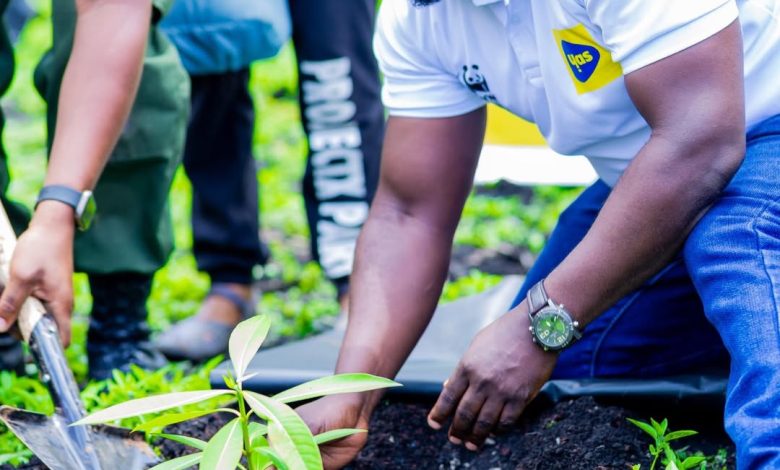
MOSHI: MORE than 80 per cent of trees planted through the World-Wide Fund for Nature (WWF) in the Kilimanjaro Region have survived, significantly contributing to environmental conservation efforts, including areas surrounding Mount Kilimanjaro.
This was revealed recently by WWF Project Manager Novati Kessy during an ongoing tree-planting exercise aimed at restoring natural vegetation in the region. “WWF has been collaborating with various environmental stakeholders to improve the environment in the Kilimanjaro Region.
It is encouraging to note that more than 80 per cent of the over one million trees planted since the start of this campaign have survived,” he said.
Kessy added that in addition to protecting endangered species, WWF works with stakeholders to conserve their habitats to ensure sustainable ecosystems.
He further noted that the long-running tree-planting campaign also focuses on strengthening forest resilience to climate change while preserving natural habitats for wildlife and key tourist attractions, including Mount Kilimanjaro.
Speaking at the event held in Njoro Ward, Moshi Municipality, Kilimanjaro Regional Commissioner Nurdin Babu commended WWF and its partners for their efforts, noting that tangible environmental improvements are now visible.
“The environmental situation in the region was not good several years ago. In the past, during this season, people would wear coats or jackets due to the cold, but this has changed,” he said.
He emphasised the need to sustain ongoing tree-planting efforts led by WWF and other stakeholders.
“Mount Kilimanjaro and our forests are treasures of biodiversity and a shared heritage that must be preserved for future generations. In the context of climate change, tree planting is essential,” he added.
RC Babu also acknowledged key partners collaborating with WWF, including the Evangelical Lutheran Church in Tanzania (ELCT), Pangani Basin Water Board (PBWB), Tanzania Forest Service (TFS), Moshi Municipal Council (MMC) and Yas Tanzania.
For his part, the Chief Executive Officer of Yas Tanzania PLC, Pierre CantonBacara, said the company has played a significant role in environmental conservation in the region through tree-planting initiatives.
“These efforts are part of broader actions aimed at restoring vegetation and preserving the environment in Kilimanjaro, one of Africa’s most ecologically valuable areas,” he said, adding that the company plans to plant more than 50,000 trees in the region this year.