Tanzania, India agree to integrate the traditional medicine system with modern healthcare

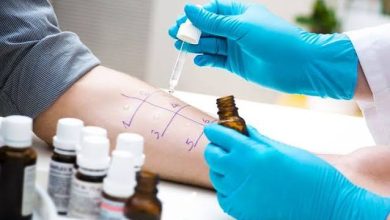
DODOMA: THE Tanzanian government has signed a cooperation agreement with India aimed at integrating traditional medicine systems with modern healthcare, starting at the primary healthcare level by 2030. This initiative is part of a broader strategy to strengthen a comprehensive national health system.
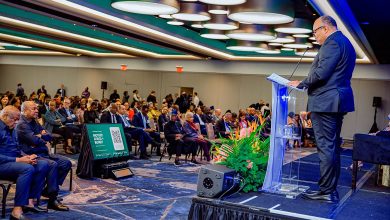
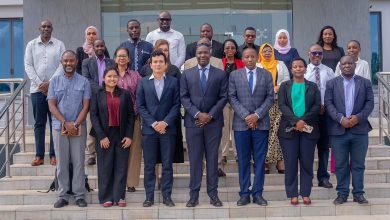
The announcement was made by the Minister of Health, Mohamed Mchengerwa, during a meeting with traditional medicine experts in Dodoma, under the theme “Strengthening Evidence-Based Traditional Medicine Services.”
In his remarks, Mchengerwa emphasized the need to accelerate the implementation of the strategy to meet the set targets within the planned timeline. He noted that Tanzania has significant resources and potential to become a leader in the use of traditional medicine in Africa and globally, provided that both policy and operational efforts are strengthened.
Drawing on his experience from a visit to India, he highlighted that, according to the World Health Organisation, there are countries recognised for their use of traditional medicine, even though they have not reached the level of development that Tanzania has already achieved. He stressed the importance of increased focus and implementation speed to avoid being overtaken by these countries.
ALSO READ: Tanzania, India to strengthen cooperation in defence, security
Additionally, the Minister announced that the Ministry of Health has planned to allocate a special fund in the 2026/2027 financial year budget to support traditional medicine practitioners. This initiative aims to develop the sector, enhance service quality, and strengthen its contribution to the national economy.
Furthermore, Mchengerwa indicated that the Sixth Phase Government, under the leadership of President Samia Suluhu Hassan, aims to build an industrial economy, particularly in pharmaceutical production. He noted that in the Mloganzila Hospital area, there are plans to designate specific zones to enable traditional medicine practitioners to establish their own pharmaceutical production facilities.