Tax reform panel proposes 284 changes to overhaul system
DAR ES SALAAM: A SWEEPING overhaul of Tanzania’s tax system could soon be underway after the Presidential Commission on Tax Reforms submitted 284 recommendations aimed at simplifying taxation, expanding the tax base and improving compliance while fostering a more investment friendly business environment.
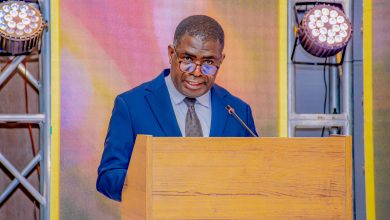
The proposals were presented to President Samia Suluhu Hassan at the State House in Dar es Salaam yesterday by the commission chaired by former Chief Secretary Ambassador Ombeni Sefue, following an extensive review of the country’s tax administration framework.
According to the commission, the recommendations, grouped into seven key reform areas are expected to deliver significant structural changes to Tanzania’s tax system, while strengthening transparency, fairness and efficiency in revenue collection.
“The recommendations are grouped into seven categories: 146 on policy and legislation, 41 on ICT systems, 30 on administration, 25 on formalisation and expansion of the tax base, 15 on the investment and business environment, 14 on tax dispute resolution and 13 on the structure and overall management of the tax system,” he said.
The proposals cover policy and legal reforms, information technology systems, administrative improvements, expansion of the tax base, improvements to the investment and business environment, tax dispute resolution and restructuring of tax administration institutions.
A significant portion of the recommendations, 146 in total focus on policy and legal reforms. Among the key proposals is the development of a National Tax Policy to provide a coherent framework for tax administration and reduce frequent changes in taxes, levies and fees that have often created uncertainty for businesses.
The commission also recommended the enactment of a comprehensive Taxation Act that would establish overarching principles for the tax system and clarify revenue-sharing arrangements between the central government and local authorities.
Other proposals include revising the existing excise duty and stamp duty laws to reflect the realities of the modern economy and ensuring stronger stakeholder participation in tax law reforms.
The commission also placed strong emphasis on digitalisation as a means to enhance efficiency and transparency in tax administration.
Among the proposals is the development of a mobile application by the Tanzania Revenue Authority (TRA) that would enable taxpayers to register, file returns, check tax liabilities and make payments digitally.
“TRA needs to develop a user-friendly mobile application that would serve as a single gateway for taxpayers to access services. It is also recommended to upgrade the taxpayer portal to enable electronic tax assessments and introducing an automated tax audit system for real-time monitoring and management of audits,” Amb Sefue said.
The system, he said, would support a largely faceless, cashless and paperless tax administration, reducing the need for physical visits to tax offices and minimising opportunities for corruption.
The report also recommends introducing automated tax audit systems, expanding the use of artificial intelligence and big data analytics and improving integration between existing digital platforms used for tax administration.
The report further proposes the integration of payment systems through a single card combining multiple services, including NCARD and rapid transit cards.
A digital version of the card should also be available through mobile wallets, enabling users to make payments efficiently while securely storing taxpayer information.
Another key reform area targets expansion of the tax base, particularly through formalisation of businesses operating in the informal sector.
ALSO READ: Dr Samia lifts the lid on the Presidential Commission for Tax Reforms
The commission recommends a one-year tax holiday for newly established small businesses and start-ups to encourage formalisation, as well as the creation of a comprehensive national database of businesses and economic activities.
Local government authorities are also expected to play a stronger role in identifying businesses and supporting tax registration in collaboration with TRA.
The Commission also proposed upgrading business identification systems by integrating them with National Identification Authority (NIDA) records, Taxpayer Identification Numbers (TINs) and business licences, alongside the introduction of digital payment features such as QR codes.
To strengthen trust between taxpayers and tax authorities, the commission recommended a major shift in the culture of tax administration, including transforming TRA into a more serviceoriented institution.
Among the proposals is renaming the authority from Tanzania Revenue Authority to Tanzania Revenue Service, reflecting a focus on taxpayer support rather than enforcement alone.
The commission also recommended enhanced taxpayer education programmes, including the introduction of tax and civic responsibility lessons in school curricula. The report also addresses longstanding concerns over the tax dispute resolution system.
Proposals include introducing online systems for filing tax objections and requiring the TRA Commissioner General to resolve disputes within 90 days.
The commission further recommends restructuring tax appeal institutions and establishing a dedicated Tax Division in the High Court to handle complex tax cases.
To support economic growth, the commission proposed a review of several tax-related charges affecting key sectors, including mining, tourism and local government service levies.
It also recommended improving the tax incentive framework so that incentives are aligned with national development priorities under Vision 2050.
If fully implemented, the reforms could significantly boost government revenue.
The commission estimates that the measures could increase tax collections by approximately 11tri/- within three years, raising the country’s taxto-GDP ratio by about five percentage points.
This would move Tanzania closer to the revenue targets required to support the country’s long-term development agenda. Despite the potential benefits, the commission acknowledged that some reforms may face resistance from stakeholders benefiting from the current system.
However, it stressed that strong political commitment would be essential to ensure successful implementation.
The commission warned that without significant reforms, Tanzania risks continuing to rely on a small number of taxpayers while large segments of economic activity remain outside the formal tax system.
With the country targeting a tax-to-GDP ratio of 22 per cent by 2050, the report concludes that comprehensive reforms will be crucial to strengthening public revenue while creating a fairer and more efficient tax system.