MPs warn against water infrastructure vandalism
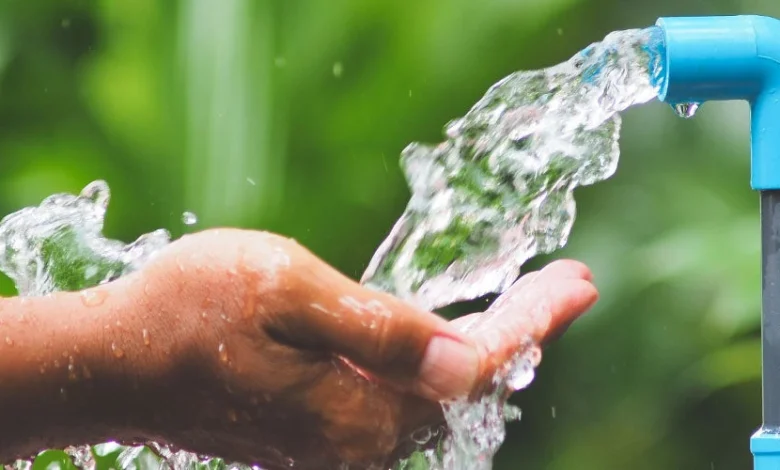
MANYARA: THE Parliamentary Standing Committee on Water and Environment has urged citizens to protect water sources in order to avoid the adverse effects of climate change, including water shortages in various areas.
Recently, the committee visited and inspected the Dambiya–Haydom water tank project in Mbulu District, Manyara Region. The project, which has a storage capacity of two million litres, was constructed during the 2024/2025 financial year.
Committee Chairperson Jackson Kiswaga said the government’s goal is to ensure the sustainability of water projects, noting that protecting the environment and water sources is the responsibility of every citizen.
“Take good care of water sources because once the project is completed and the experts leave, it will belong to you. Therefore, stop vandalising the infrastructure and instead protect it to ensure its sustainability,” Mr Kiswaga said.
He added that tree planting is among the strategies aimed at making Tanzania greener and mitigating the effects of climate change. The committee, he said, will also closely monitor efforts to increase the water sector budget in order to complete unfinished projects.
“We are satisfied with the implementation of projects through Babati Water Supply and Sanitation Authority (BAWASA) and Rural Water Supply and Sanitation (RUWASA).
ALSO READ: Transport resumes on Arusha–Loliondo road
This aligns with the vision of President Samia Suluhu Hassan that by 2030 all Tanzanians, including those in the remaining villages, public institutions, schools, dispensaries and health centres, will have access to clean and safe water,” he said.
Mr Kiswaga further emphasised that if citizens protect water sources and establish designated grazing areas for livestock, water infrastructure will remain sustainable.
Presenting a report on the project, the Manyara Regional Manager of RUWASA, Engineer James Kionaumela said water access has improved significantly in recent years.
He noted that in urban areas, water access has increased from 68 per cent in March 2021 to 87.3 per cent in February this year. In rural areas, access has risen from 55.5 per cent in March 2021 to 78.09 per cent in February this year.
The strategic Dambiya–Haydom water project is being implemented by RUWASA in Bashay Ward at a cost of more than 41bn/-. Once completed, it will serve 21 villages through three deep boreholes capable of producing 220,000 litres of water per hour.
Construction of the project began in February 2024 and is expected to be completed in November 2027.
Speaking on behalf of the Manyara Regional Commissioner, Mbulu District Commissioner Michael Semindu assured that the district leadership will continue to supervise and protect the project’s water sources and infrastructure to ensure its sustainability and long-term service to residents.
Bashay Ward Councillor Calisti Casmir said residents of three villages in the ward are direct beneficiaries of the water project. He noted that the first test borehole was drilled in 2008 and has been maintained up to the present.
He also requested the construction of a livestock watering trough to prevent animals from damaging the water source.
Residents of Bashay Ward, Deodatus Karera and Gwai Qwatema, said water scarcity had been a major challenge in the area for more than 20 years, forcing them to walk long distances to fetch water from the Yaeda River.
“Even during the dry season, we can now grow maize and vegetables near our homes using irrigation. We thank the government,” said Karera.
In Manyara Region, urban water services are provided by the Babati Water Supply and Sanitation Authority (BAWASA) and Kibaya, while the Rural Water Supply and Sanitation Agency (RUWASA) serve rural areas.