Land ownership key to women’s economic empowerment, development
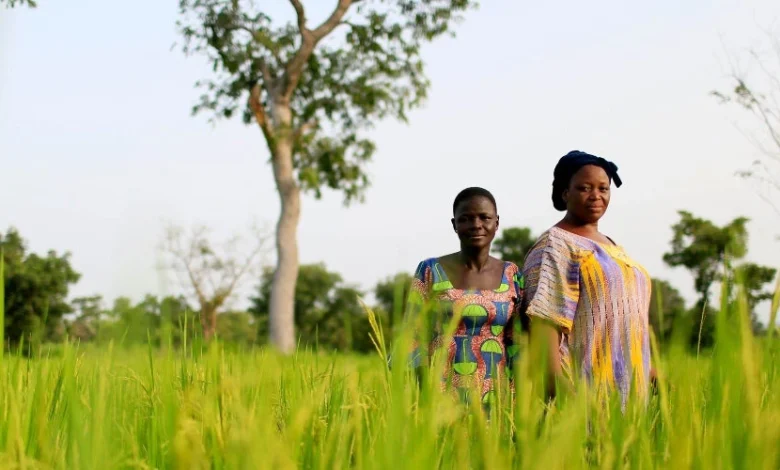
DAR ES SALAAM: ACROSS Tanzania, from the dusty footpaths of rural villages to the busy streets of growing towns, land has never been just a piece of earth, but the foundation upon which families build homes, grow crops and secure their economic future.
Across rural areas in particular, women are responsible for a large share of agricultural production, tending farms, supporting families and contributing to local economies. However, their participation has frequently existed without the legal protection that formal land ownership provides.
Without secure land rights, women face challenges in accessing financial services, investing in agriculture or making long-term decisions about land use.
Recognising these challenges, the government recently undertook a nationwide outreach programme aimed at bringing land services closer to citizens while strengthening women’s understanding of their rights to land ownership.
The initiative was implemented by the Ministry of Lands, Housing and Human Settlements Development as part of broader efforts to improve land governance and promote inclusive economic development.
Through the programme, land experts and government officials travelled to communities across the country, offering guidance on land laws, ownership procedures and the importance of securing legal documentation.
The outreach effort focused on raising awareness, assisting citizens with land registration processes and supporting individuals seeking to formalise their land rights.
Speaking during the outreach programme, the Minister for Lands, Housing and Human Settlements Development, Dr Leonard Akwilapo, emphasised that ensuring women have legal rights to land is critical for strengthening both families and the national economy.
According to him, land ownership for women should not be viewed as an act of generosity but as a fundamental right that promotes equality and economic stability.
“When a woman owns land, we strengthen the family economy, eradicate oppression and build a strong national foundation as we move toward our development vision,” he said.
Dr Akwilapo noted that empowering women through land ownership helps address social and economic inequalities that have persisted for generations.
He explained that when women have secure land rights, they are more likely to invest in agriculture, improve productivity and support the long-term wellbeing of their families.
Such investments, he said, contribute directly to local development and national economic growth.
Deputy Permanent Secretary in the ministry, Ms Lucy Kabyemera, described the programme as a practical step toward advancing gender equality and inclusive development.
She explained that many women remain unaware that national laws guarantee their right to own land, while others encounter difficulties navigating administrative procedures.
Through the outreach initiative, communities received direct guidance on land registration procedures, inheritance rights and the legal protections available to landowners.
According to government statistics, only about 28 per cent of women in Tanzania currently own land.
This figure reflects the complex social, cultural and economic challenges that continue to limit women’s access to property despite legal frameworks that guarantee equality.
In many communities, traditional practices still favour men in matters related to land ownership and inheritance.
Such practices often leave women vulnerable, particularly in cases of divorce, widowhood or family disputes.
By providing education and legal guidance, the outreach programme sought to help citizens better understand the legal rights available to them under Tanzanian law.
The initiative also reflected a broader push by President Samia Suluhu Hassan encouraging public institutions to bring services closer to citizens.
Another important feature of the programme was the involvement of female land officers in many of the outreach teams.
Their presence helped create a supportive environment where women felt comfortable discussing sensitive issues related to land ownership, inheritance and family dynamics.
In several communities, women used the opportunity to ask questions about property rights, legal procedures and the steps required to secure official land documentation.
For many participants, it was the first time they had received detailed explanations about land laws and the processes involved in obtaining land titles.
Beyond empowering individuals, the initiative also sought to challenge longstanding perceptions surrounding land ownership.
Minister Akwilapo called on men, families and community leaders to support women in claiming their land rights. He emphasised that empowering women does not weaken families or communities but instead strengthens them. When women have secure access to land, families benefit from improved stability, greater economic opportunities and stronger social cohesion.
At the same time, the minister urged land sector officials to uphold professionalism and integrity in the delivery of services. He warned against outdated attitudes that treat land administration as a privilege rather than a public responsibility.
According to him, land officials are custodians of a national resource entrusted to them for the benefit of citizens.
Ensuring transparency, efficiency and accountability in land administration, he said, is essential for building public confidence in the system.
The outreach initiative was also aligned with broader reforms in land governance aimed at strengthening fairness and inclusivity in the management of land resources.
One of the most significant policy developments in this area has been the revision of the National Land Policy of 1995 (2023 Edition), which was launched in 2025.
The updated policy introduced stronger provisions to promote gender equality in land ownership and management.
It also emphasises the importance of ensuring women participate in land-related decision-making processes and are protected from discriminatory practices that limit their access to property.
By linking policy reforms with community-level outreach programmes, the government hopes to ensure that legal frameworks translate into meaning.