Tanzania’s Vision 2050 will be built by its women, girls
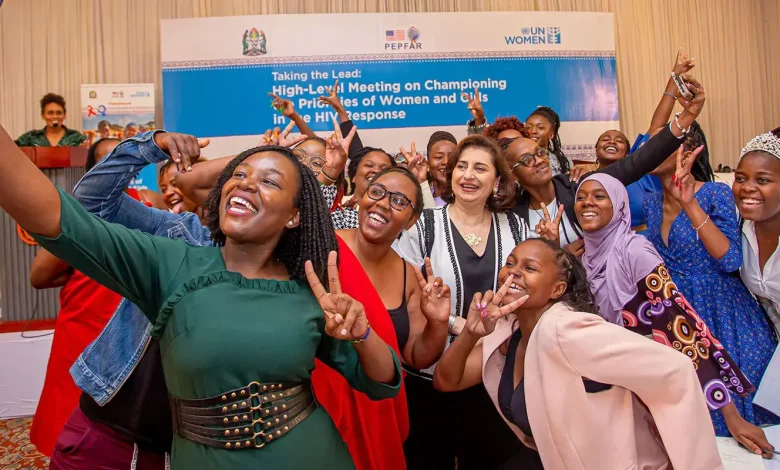
DAR ES SALAAM: IF Tanzania is to achieve its ambitions for prosperity, resilience and inclusive growth, one fact is impossible to ignore: the country’s future will depend on the full participation and empowerment of its women and girls.
Across Tanzania, women and girls are already driving progress. They are farmers sustaining food systems, entrepreneurs expanding markets, teachers shaping the next generation and community leaders strengthening social cohesion. Their contributions are visible in households, businesses, public institutions and communities across the country.
But despite these contributions, too many women and girls still face barriers that limit their opportunities and potential. Removing those barriers is not simply a matter of fairness. It is one of the most powerful ways to accelerate Tanzania’s development.
Countries that invest in gender equality build stronger economies, healthier communities and more resilient societies. When women are able to learn, work, lead and participate fully in public life, national productivity rises, poverty falls and innovation expands. When their rights are limited, societies lose talent, energy and opportunity.
Encouragingly, Tanzania has made important progress in advancing gender equality. Women now hold approximately 37 per cent of seats in the National Assembly, reflecting growing participation in national decision-making. The Government has strengthened legal and policy frameworks, expanded access to education and vocational training, advanced gender-responsive budgeting and improved access to legal aid and services for survivors of violence.
These achievements demonstrate Tanzania’s commitment to building a more inclusive society.
Policy frameworks are helping drive this progress. The National Gender and Women Development Policy promotes gender equality across sectors and strengthens its integration in national planning. The National Plans of Action to End Violence Against Women and Children in both Mainland Tanzania and Zanzibar provide a coordinated approach that connects justice, health, education and community systems to prevent violence and support survivors.
Yet significant challenges remain. According to the 2022 Tanzania Demographic and Health Survey, nearly three in ten women aged 15 to 49 have experienced physical or sexual violence. Adolescent birth rates remain high and female genital mutilation continues in certain regions. These challenges affect girls’ education, women’s health, economic participation and leadership opportunities.
Behind these statistics are stories of lost opportunities girls who leave school too early, women whose economic potential remains untapped and communities that miss out on the full contribution of half their population.
Addressing these challenges requires sustained action. Laws and policies must continue to translate into real change in communities. Public investments must strengthen prevention efforts, legal aid systems and survivor services. Institutions must be responsive and accountable. Data and technology must help guide more effective policies. And communities, including men and boys, traditional and religious leaders, the private sector and the media, must help shift social norms that limit opportunities for women and girls.
The United Nations system in Tanzania is proud to work alongside national partners in supporting this effort. Across the country, UNsupported initiatives are helping expand legal aid services, strengthen gender and children’s desks in police stations, support one-stop centres providing integrated services for survivors of violence, and improve data systems that guide responses to gender-based violence.
In refugee-hosting areas, integrated protection services are helping ensure women and girls have access to safe spaces and support. In rural communities, programmes that link land rights, economic empowerment and violence prevention are helping women secure land titles, strengthen their livelihoods and participate more actively in local decision-making.
ALSO READ: TELS amplifiers women’s role in attaining Vision 2050 goals
These initiatives demonstrate that protecting rights and expanding opportunity go hand in hand. As Tanzania looks ahead to Vision 2050, the country has an opportunity to build a development model that is more inclusive, resilient and future-ready. Achieving that vision will require unlocking the full potential of every Tanzanian.
Gender equality is therefore not a separate agenda. It is central to economic transformation, social cohesion and sustainable development.
On this International Women’s Day, the United Nations in Tanzania reaffirms its commitment to working hand in hand with the Government, Parliament, the judiciary, civil society, youth and development partners to strengthen systems that protect rights and expand opportunities.
Because when women and girls thrive, families prosper, communities grow stronger and nations move forward.
Advancing the rights of women and girls is not only the right thing to do, it is one of the most powerful investments Tanzania can make in achieving the promise of Vision 2050.