Aircraft deployed over Serengeti to locate tourists stranded by flooded roads
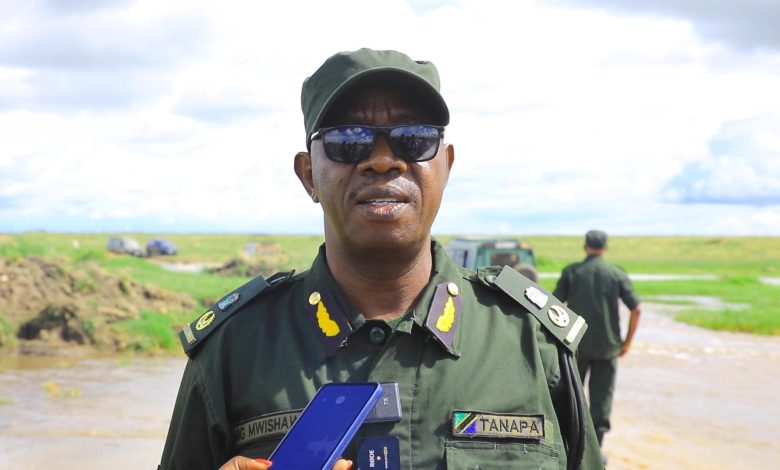
SERENGETI: THE government has deployed an aircraft to conduct aerial patrols over Serengeti National Park after weeks of unusually heavy rains flooded roads and river crossings, leaving safari vehicles stranded across one of Africa’s most renowned wildlife reserves.
Officials said the plane is scanning vast stretches of the park to identify stranded tourist convoys and relay their locations to rescue teams operating on the ground.
The mission was launched by the Ministry of Natural Resources and Tourism through the Tanzania National Parks (TANAPA) as part of an emergency response to assist visitors and safari guides trapped by waterlogged routes.
The Serengeti, a cornerstone of Tanzania’s tourism industry and home to the famed Great Migration, has experienced weeks of intense rainfall that conservation officials say are becoming increasingly unpredictable.
“Tourists’ and guides’ safety must be the absolute priority,” said Serengeti Chief Conservator Ismail Omary Ismail, who is coordinating the emergency response. He added; “Our teams are working around the clock to locate and assist vehicles affected by flooding.”
Rescue teams composed of park rangers, conservation officers and medical personnel have been stationed at strategic points across the vast reserve.
Recovery crews are using tractors, motor graders and heavy-duty trucks to pull vehicles from flooded tracks, while the aircraft carries out aerial surveillance to locate stranded convoys.
Once vehicles are spotted from the air, their coordinates are transmitted to ground teams using GPS tracking systems and mobile radio communication, allowing recovery units to reach remote areas more quickly, said Mr. Ismail.
Several key access roads in the central Serengeti have been partially submerged, including sections along the Seronera–Nabii corridor used by safari vehicles entering the park’s interior.
At a number of drifts and culverts, floodwaters have surged over dirt roads, forcing tour operators to suspend journeys for hours.
TANAPA said no injuries or fatalities had been reported.
Massana Mwishawa, Deputy Conservation Commissioner at TANAPA, toured some of the affected areas and said the flooding highlights how vulnerable protected areas and tourism infrastructure can be to extreme weather.
Scientists and conservationists warn that climate change is intensifying rainfall variability across East Africa, making weather patterns less predictable and complicating wildlife management and tourism operations in national parks.
According to the Tanzania Wildlife Research Institute, more than 17,000 safari vehicles visit the Serengeti each year, bringing thousands of tourists eager to witness vast herds of wildebeest, zebra and gazelles moving across the plains.
At the center of the migration lies the Mara River, where massive herds cross into Kenya’s Maasai Mara National Reserve in search of fresh pasture, often plunging into crocodile-filled waters in one of nature’s most dramatic spectacles.
Tourism remains one of Tanzania’s leading sources of foreign exchange, with the Serengeti widely considered the crown jewel of the country’s wildlife attractions.
For now, authorities say their priority is ensuring the safety of visitors and guides while rescue crews continue navigating muddy tracks and swollen streams across the vast reserve, as rains persist across the region.