

JK tells ECSA states to strengthen their health systems after funding withdrawal
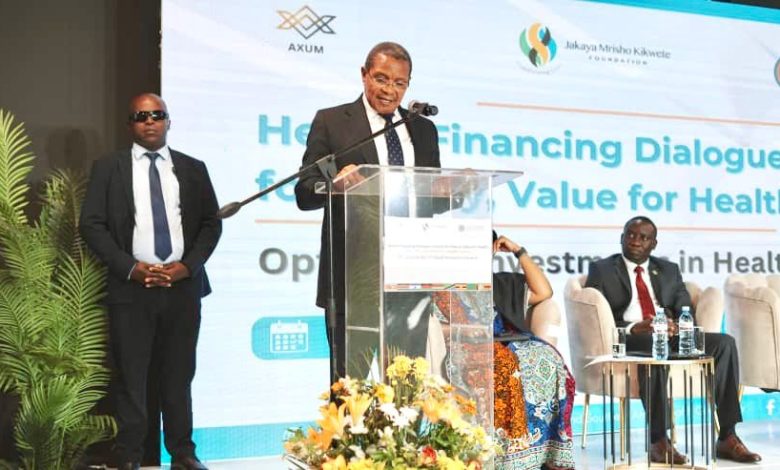
ALZULWINI: TANZANIA said it cherishes the close collaboration with and non-governmental organizations, including JMKF, saying the move contributed much to a reduction of maternal mortality from 560 to 104 deaths per 100,000 live births.
The Tanzanian President, Dr Jakaya Mrisho Kikwete, said in the Eswatini capital, Alzulwini that Tanzania is among the leading countries in Africa in progressing toward the United Nations Sustainable Development Goal (SDG).
Dr Kikwete revealed the success during the 67th Meeting of Ministers of Health from nine member states of the East, Central, and Southern Africa Health Community (ECSA-HC), being held in Ezulwini, Kingdom of Eswatini, from February 2 to 3, 2026.
Dr Kikwete, who is also the Chairperson of the Board of the Jakaya Mrisho Kikwete Foundation (JMKF), attended the meeting, which focused on discussing strategies to strengthen health systems in member states, particularly at a time when global changes have led to a reduction or complete withdrawal of funding for health projects from traditional international donors.
While opening the session for Permanent Secretaries and Senior Officials of ECSA-HC, Dr Kikwete urged member countries to be innovative in designing and mobilizing alternative sources of financing to ensure the sustainability of health services. He emphasized that governments have a responsibility to ensure continued access to essential health services without relying solely on donor funding.
“A government cannot tell its citizens that health services have been suspended because donors have stopped providing funds. It is the responsibility of policymakers to think creatively and work tirelessly to find alternative solutions in order to safeguard the health of the people,” said Dr Kikwete.
ALSO READ: EU and FAO boost Tanzania’s plant health systems
He further shared his leadership experience, citing how African countries have previously addressed similar challenges by strengthening regional cooperation, including undertaking joint bulk procurement of medicines, medical equipment, and diagnostic supplies at affordable prices, instead of each country procuring them independently.
Dr Kikwete briefed the meeting on the significant achievements made by Tanzania in the health sector under the Sixth Phase Government led by President Dr Samia Suluhu Hassan.
He hailed the close collaboration between the government and non-governmental organizations, including JMKF, since it has contributed much to a reduction in maternal mortality from 560 to 104 deaths per 100,000 live births,
Highlighting the importance of public-private partnerships in improving access to community-level health services, Dr Kikwete cited the contribution of JMKF through mobile outreach clinics for pregnant women living in remote and hard-to-reach areas in Uyui and Sikonge districts of Tabora Region.
According to JMKF, the Jamii Salama project has so far reached more than 1,500 women with health services including ultrasound screening and malaria treatment, as well as providing over 3,200 schoolchildren with education on oral health and malaria prevention.
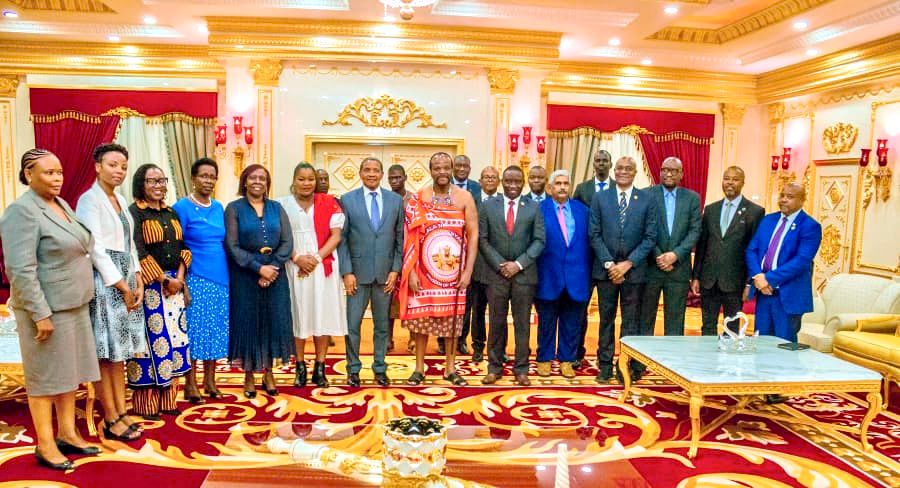
At the conclusion of the meeting, Dr Kikwete led participants in a courtesy visit to King Mswati III of Eswatini, who pledged to receive the report arising from the meeting’s deliberations and share it with fellow leaders of ECSA-HC member states and other regional groupings.


