Kenya in a new dispute with the World Bank: A crisis with far-reaching economic implications ahead of its 2027 general election
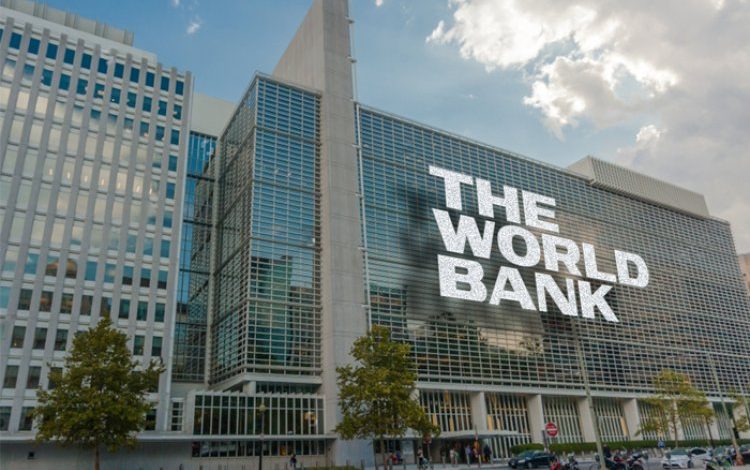
NAIROBI: KENYA remains haunted by the prospect of entering into a fresh dispute with the institution that ranked it the 10th poorest country in the world, as it continues to consider how to extricate itself from that position. For those who are unaware, it was disclosed to the public.
Koko Networks, one of Kenya’s most prominent clean-energy start-ups, experienced an abrupt collapse at the conclusion of January 2026.
The company, which supplied low-income urban households with affordable bioethanol cooking fuel and furnaces, abruptly ceased operations, resulting in the loss of over 700 jobs and the loss of approximately 1.5 million households’ primary source of affordable cooking fuel, with a possibility of these households returning to energy sources that aren’t environmentally friendly, going against what was previously stated as being ahead of the rest of East African nations.
Koko’s business model was highly reliant on revenue from the international carbon credit market, a mechanism that enables purchasers to offset their environmental footprint and monetise reductions in greenhouse gas emissions.
The firm’s ability to sell these credits on international compliance markets was contingent on receiving a “Letter of Authorisation” (LoA) from the Kenyan government. This document would have enabled the firm to sell credits without the government claiming the emission reductions for its own climate inventory.
Nevertheless, due to reasons known to the Kenyan government itself, the government failed to grant this authorisation, resulting in catastrophic revenue loss for Koko. To maintain a robust economy, it is imperative to ensure good governance across many aspects of the economy.
ALSO READ: Data privacy day and what it means for Tanzania
For those who may have been disoriented by the core of this issue, Kenya’s project was also supported by the Multilateral Investment Guarantee Agency (MIGA) of the World Bank, the same institution whose related report ranked Kenya as the 10th poorest nation in the world. In 2025, MIGA issued a $179.6 million political risk insurance guarantee covering breaches of contract, expropriation and other risks, with a term of up to 15 years.
Observers anticipate that Koko (or its investors) will seek compensation under this guarantee, leading to a legal dispute between Kenya and the World Bank’s guarantee subsidiary. A critical question is: What economic weaknesses in Kenya does the dispute reveal? From the perspectives of regulatory uncertainty and investor confidence, it is clear that regulatory instability is the core issue in the dispute.
The Kenyan government’s failure to issue authorisations was not merely an administrative oversight; it underscored the risk that even significant policy initiatives, such as the adoption of renewable energy and carbon markets, could be impeded by internal bureaucratic hesitancy or conflicting priorities.
As an investor advisor expert, investors, particularly those funding ventures that depend on long-term policy commitments, such as carbon income, require legal certainty and predictability. The perceived risk of investing in a country rises sharply when these factors are absent.
The Koko collapse is a chilling reminder that domestic policy shifts may undermine even initiatives endorsed by international institutions. To me, this is dangerous, and if not examined strategically, it could further damage Kenya’s reputation with the international institution.
This diminishes Kenya’s appeal to future climate-linked foreign direct investment (FDI) and cleanenergy capital, a position that could have a greater impact on its economy. This would not have occurred if Kenya had been more prudent.
A model founded on promises rather than local revenue can have a significant impact. Koko’s business model was structurally dependent on global environmental markets rather than robust domestic revenue streams, relying on carbon certificates to subsidise fuel prices and thereby reach the urban poor.
ALSO READ: Kenya ranked Africa’s 4th worst for organised crime
If the regulatory framework and government cooperation had been dependable, this model may have been viable; however, their absence has resulted in the collapse of the structure, or, more specifically, a clear path to a new legal dispute.
The broader lesson is that Kenya requires business models grounded in domestic economic fundamentals employment, taxation and supply chains rather than erratic international financial instruments contingent on external approvals, in order to achieve sustainable economic growth.
The shutdown’s immediate human cost is stark: the abrupt discontinuation of affordable fuel for millions of households and the loss of hundreds of jobs will further exacerbate Kenyans’ misery. A broader economic downturn could be exacerbated by reduced purchasing power and increased household fuel spending, with a ripple effect that depresses demand for other goods and services, particularly in sectors that rely on discretionary income.
The collapse poses a threat to environmental and public health improvements, as well as employment and income. Koko’s products have helped to reduce indoor air pollution, a significant cause of respiratory illness.
Additionally, they have contributed to forest conservation by reducing reliance on charcoal. Many households may revert to traditional fuels in the absence of the corporation, which could reverse years of progress in climate mitigation and health initiatives.
This has long-term economic implications, including reduced labour productivity due to illness, higher healthcare costs and environmental degradation that undermines other economic activities, such as agriculture and tourism. Regarding the World Bank’s role and implications for sovereignty, Kenya is currently facing sovereign accountability and political risk guarantees.
MIGA’s provision of political risk insurance to Koko indicates perceived uncertainty about Kenya’s investment climate. These guarantees are intended to safeguard investors; however, they also imply that governments are responsible for maintaining stable regulatory environments.
Not only is compensation sought when a government is perceived to breach a promised framework, but broader perceptions of sovereign credit may deteriorate as well. I am not a learned brother, and in legal terms, I am open to correction. This type of dispute could lead to arbitration or claims against the state, potentially costing Kenya tens or even hundreds of millions of dollars in compensation if MIGA is triggered.
This outcome is a genuine example of opportunity cost, as it diverts scarce public funds from services, infrastructure, or social programs to resolve claims. Upon closer examination of the Kenyan perspective on this issue, it becomes clear that the dispute also underscores a deeper tension in development finance: when international agencies provide instruments such as political risk insurance, they share responsibility with governments for maintaining investment conditions.
The issue of enforcement and compensation arises if the host government subsequently modifies its policy. Future development partners may be more cautious and encouraged to include more stringent contractual safeguards and conditions as a result of Kenya’s conflict with MIGA, which could reduce Kenya’s policy autonomy and ultimately erode the historical pride Kenya holds among its member states.
Exploring the macroeconomic consequences on a broader scale. It is imperative that Kenya recognises that investment decisions are not solely based on discrete initiatives but on the country’s risk profile. The Koko debacle serves as a warning to global investors that domestic regulatory actions can destabilise even well-funded ventures.
This may discourage future Kenya in a new dispute with the World Bank: A crisis with far-reaching economic implications ahead of its 2027 general election capital flows, particularly in high-growth sectors such as renewable energy and green technology, and it may increase Kenyan sovereign risk premiums.
The inflow of cuttingedge technology, expertise and capital could be impeded for a country attempting to transition to a knowledgeand services-based economy, as a damaged reputation could pose additional obstacles in an already difficult global investment landscape.
Although I wouldn’t like to give a lecture on Kenya, the country may face heightened fiscal pressures if it is required to pay compensation under the World Bank guarantee. The government may be compelled to allocate budgetary resources to settlements.
ALSO READ: Tanzania, Kenya reaffirm partnership to expand staple grain trade
This could exacerbate existing budget deficits, resulting in increased borrowing, pressure on public services, currency weakness, and, most importantly, inflationary risks. This will worsen poverty indicators and further slow economic growth, as evidenced by the recent World Bank report. However, from a different perspective, the failure of a flagship climate innovation compels policymakers and stakeholders to evaluate the feasibility of carbon market dependence.
Emerging economies may become more hesitant to align national development strategies with international climate finance due to concerns regarding related risks. This scepticism could impede the adoption of clean technologies, thereby postponing the economic and environmental benefits, particularly for countries with substantial populations that rely on traditional fuel sources.
Strengthening regulatory coherence, diversifying economic bases, enhancing local capital markets, and integrating social safety nets are valuable lessons for Kenya and other developing nations considering adopting the Kenyan model. As a result, social safety nets that safeguard households from service disruptions should be the foundation of economic transitions, particularly those related to energy access. Social protection systems can alleviate immediate hardship and prevent cascading effects on demand and consumption in the event of a major economic actor’s collapse.
But the key message for Kenya is that the potential legal dispute between Kenya and the World Bank over Koko Networks is not solely a business matter; it reflects structural economic vulnerabilities, emphasising the regulatory uncertainty, weak domestic revenue foundations, environmental policy fragility, sovereign risk exposure, and overreliance on external financial models.
This episode serves as a cautionary tale for Kenya, as it will exacerbate economic challenges and impede investment. As the 2027 general election approaches, the long-term impact of this dispute could be fatal. The Koko collapse will be seen as a missed opportunity and a cautionary tale about the consequences of policy indiscipline in an era of global capital mobility and climate finance.