Analysts praise Zanzibar Revolution for strengthening unity, peace
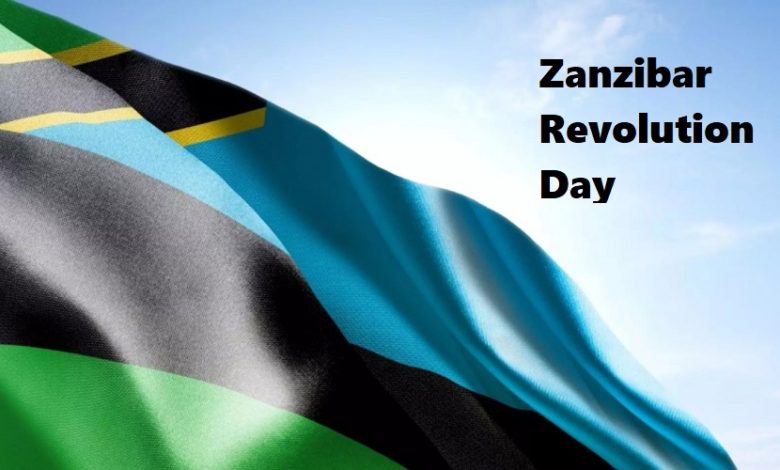
ZANZIBAR: AS the archipelago marks the 62nd anniversary of the Zanzibar Revolution, analysts and historians have lauded the 1964 uprising as the bedrock of Tanzania’s enduring peace, national solidarity and economic transformation.
Experts, including historians, highlighted that the revolution played a pivotal role in securing freedom for Zanzibaris, which subsequently facilitated the establishment of the United Republic of Tanzania in 1964.
This milestone, they said, fostered brotherhood and peaceful coexistence between the citizens of Zanzibar and Tanganyika.
In an interview with Daily News yesterday, seasoned historian Mr Fredrick Pundo, based at Nsumba High Secondary School in Mwanza, described the revolution as a lasting symbol of freedom, national unity, love and peace for all Tanzanians.
“First and foremost, the glorious revolution has consolidated the development of the United Republic. As a result, Tanzanians continue to live in unity, love and solidarity,” Mr Pundo said.
He added that the government, through the VicePresident’s Office (VPO), has effectively addressed challenges facing the Union, upholding the core values of unity and peace envisioned by the founding fathers of Tanganyika and Zanzibar, Mwalimu Julius Nyerere and Abeid Amani Karume, respectively.
“Today, citizens of both countries enjoy peace, free movement and active collaboration in building a shared future,” Mr Pundo said.
He also noted that in Zanzibar, the revolution led to the establishment of a democratic government, ending decades of sultanate rule that had exploited Africans through racial discrimination and denied them rights to own land and other means of production.
Mr Pundo said that the Government of National Unity (GNU) in Zanzibar has substantially strengthened political stability in the archipelago and across Tanzania.
He commended the incumbent President of Zanzibar, Dr Hussein Mwinyi, for continuing to uphold the revolution’s objectives, particularly initiatives promoting economic prosperity such as the blue economy and major infrastructure projects, including flyovers.
“In 62 years, Zanzibar has witnessed remarkable progress economically, socially and politically. The people continue to reap the fruits of independence,” he said.
Mr Pundo expressed confidence that the revolution’s legacy will endure for decades to come, with leaders including President Samia Suluhu Hassan and Dr Mwinyi safeguarding the nation’s rich history and commitment to unity, peace, love and solidarity.
Renowned international law expert and political analyst, Professor Khoti Kamanga of the University of Dar es Salaam (UDSM), shared similar sentiments, emphasising that the revolution enabled Zanzibaris to take ownership of their country’s economy, thereby promoting inclusive prosperity.
Prof Kamanga noted that the revolution allowed Zanzibaris to leverage economic resources, including abundant marine resources through the blue economy, unlike during the colonial sultanate era when opportunities were restricted and natives were marginalised.
“Since the revolution, Zanzibar has transformed challenges into opportunities by developing ports to facilitate trade and the blue economy, creating employment and generating government revenue,” he said.
He added that the islands have modernised towns to boost trade and tourism, while politically adopting a bill of rights to uphold human rights and democracy.
ALSO READ: Development projects welcome the 62nd anniversary of the Zanzibar Revolution
On his part, political analyst Mr Hamiduni Maliseli, based in Mwanza said that the sustainability of the Zanzibar Revolution depends on a strong Union.
“Both Mainland Tanzania and Zanzibar must embrace the Union by resolving emerging challenges and strengthening mutual understanding, which are essential for enduring coexistence,” he said.
Mr Maliseli recalled that, like many African countries, Zanzibar experienced colonial oppression and racial discrimination, which were ended by the revolution, marking a new dawn for the island.
He said the revolution brought Zanzibaris freedom in all aspects of life, enabling them to exercise human rights and benefit from equitable distribution of resources to combat poverty.
Social services such as water, education, electricity and healthcare have significantly improved compared to the colonial era when natives were segregated and marginalised.
Economically, Zanzibar has seen a booming real estate industry and a surge in hotels, promising a bright future for tourism and business sectors.
The Zanzibar Revolution occurred on January 12, 1964, when the majority Black African population, through the Afro-Shirazi Party led by Mr Abeid Amani Karume, overthrew the Sultanate, an Arab-dominated government, marking the start of a new era.